
Dr R Mohan

Dr R Mohan

MBBS
Pediatrician
4 214 ratings

About Me

Dr R Mohan

MBBS
Pediatrician
10 Years Experience

Biography

Dr. R Mohan is a compassionate and dedicated pediatrician with over 10 years of experience in providing comprehensive healthcare for infants, children, and adolescents. Holding an MBBS degree, Dr. Mohan has committed his career to ensuring the well-being and healthy development of his young patients. Parents trust him not only for his medical expertise but also for his warm and approachable nature, which helps in creating a comfortable environment for children and their families. Throughout his decade-long practice, Dr. Mohan has carefully managed a wide range of pediatric conditions, from routine health check-ups and immunizations to diagnosing and treating acute illnesses and chronic conditions. He understands that children are not just small adults and tailors his approach to meet the unique physical, emotional, and developmental needs of each child. This patient-centered care helps in building strong doctor-patient relationships and promotes long-term health. Dr. Mohan is well-versed in monitoring growth and development milestones, nutrition counseling, and preventive care, which are essential aspects of pediatric health. His thorough assessments and clear explanations empower parents to take active roles in their child’s health decisions. He encourages open communication and takes the time to listen attentively to any concerns, ensuring that families feel supported and informed every step of the way. In addition to treating common childhood illnesses such as infections, asthma, allergies, and digestive problems, Dr. Mohan places a strong emphasis on early detection of developmental or behavioral issues. He collaborates closely with other healthcare professionals when specialized care is needed, always aiming to provide holistic treatment for his patients. Parents appreciate Dr. Mohan’s gentle approach when interacting with children, helping to reduce anxiety associated with medical visits. His ability to connect with young patients and make them feel at ease contributes to more accurate diagnoses and effective treatments. Dr. Mohan also stays updated with the latest advancements in pediatric medicine and follows evidence-based guidelines to offer the highest standard of care. Choosing Dr. R Mohan means entrusting your child’s health to a skilled and caring pediatrician who treats every child like his own. His dedication, expertise, and warm demeanor create a supportive atmosphere where children can thrive and families can feel confident about their child’s healthcare journey. Whether it’s a routine check-up or managing a health concern, Dr. Mohan is committed to being a reliable partner in your child’s lifelong wellness.

My Clinic

OPD Hours

Monday Morning 10:00 AM - 02:00 PM
Evening 06:00 PM - 09:00 PM
Tuesday Morning 10:00 AM - 02:00 PM
Evening 06:00 PM - 09:00 PM
Wednesday Morning 10:00 AM - 02:00 PM
Evening 06:00 PM - 09:00 PM
Thursday Morning 10:00 AM - 02:00 PM
Evening 06:00 PM - 09:00 PM
Friday Morning 10:00 AM - 02:00 PM
Evening 06:00 PM - 09:00 PM
Saturday Morning 10:00 AM - 02:00 PM
Evening 06:00 PM - 09:00 PM
Sunday Morning 10:00 AM - 02:00 PM
Evening 06:00 PM - 09:00 PM

Treatments

Specialised care and treatments offered

VACCINATION & CHECK-UP
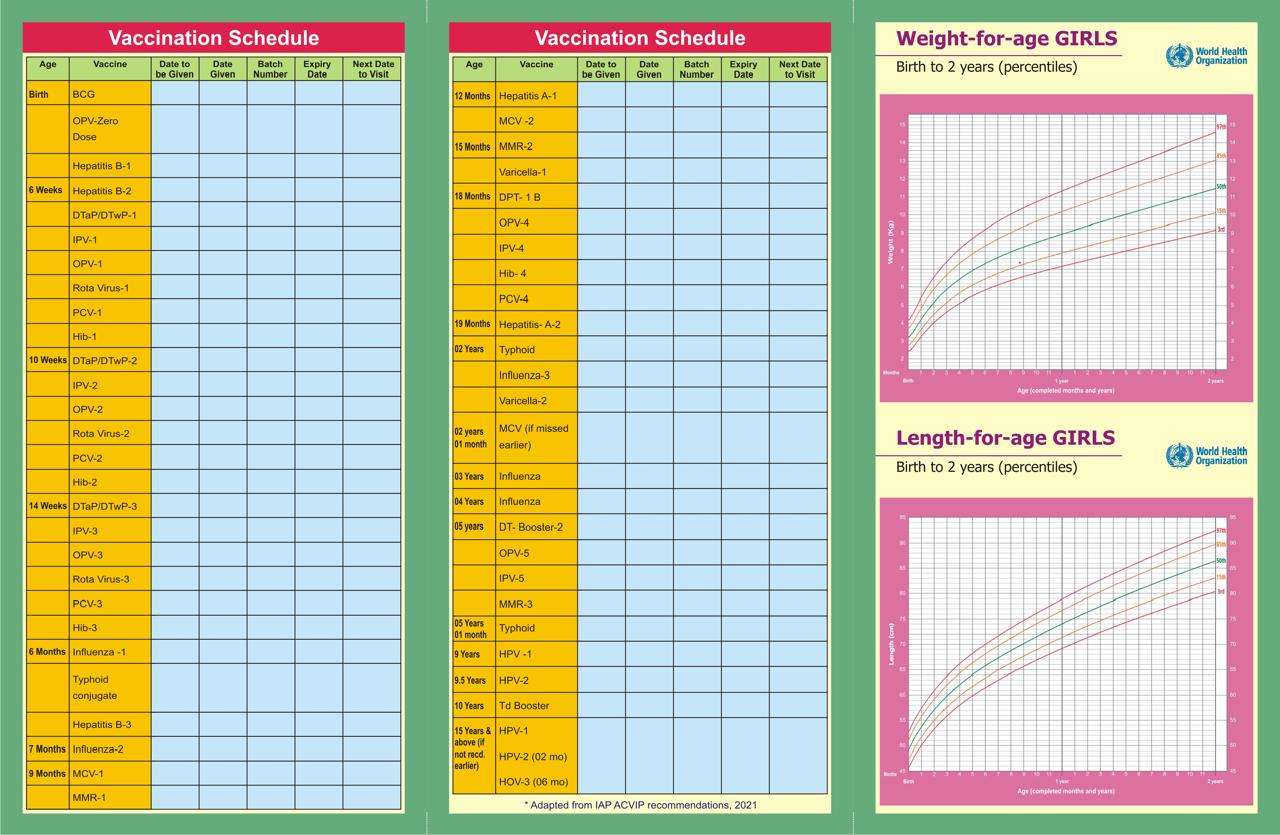
Vaccination & Check-Up

Vaccinations and regular check-ups are essential parts of pediatric care, protecting children from serious illnesses and ensuring healthy development. Pediatricians follow immunization schedules to provide timely protection against diseases like measles, polio, and whooping cough. Routine check-ups allow for monitoring of growth, development, and early detection of potential health issues. These visits also give parents an opportunity to discuss nutrition, behavior, sleep, and safety. Through vaccinations and consistent medical evaluations, pediatricians help build a strong foundation for lifelong health and well-being. Preventive care not only keeps children safe but also supports their physical and emotional development.

INFECTIOUS DISEASES
Infectious Diseases

Expertise in managing acute respiratory infections, pneumonia,  bronchiolitis, typhoid fever, urinary infection, diarrhoea, fungal skin infections, sepsis/ blood infection, viral infections like chicken pox, measles, viral hepatitis, mumps, child with rash etc

GROWTH AND DEVELOPMENT
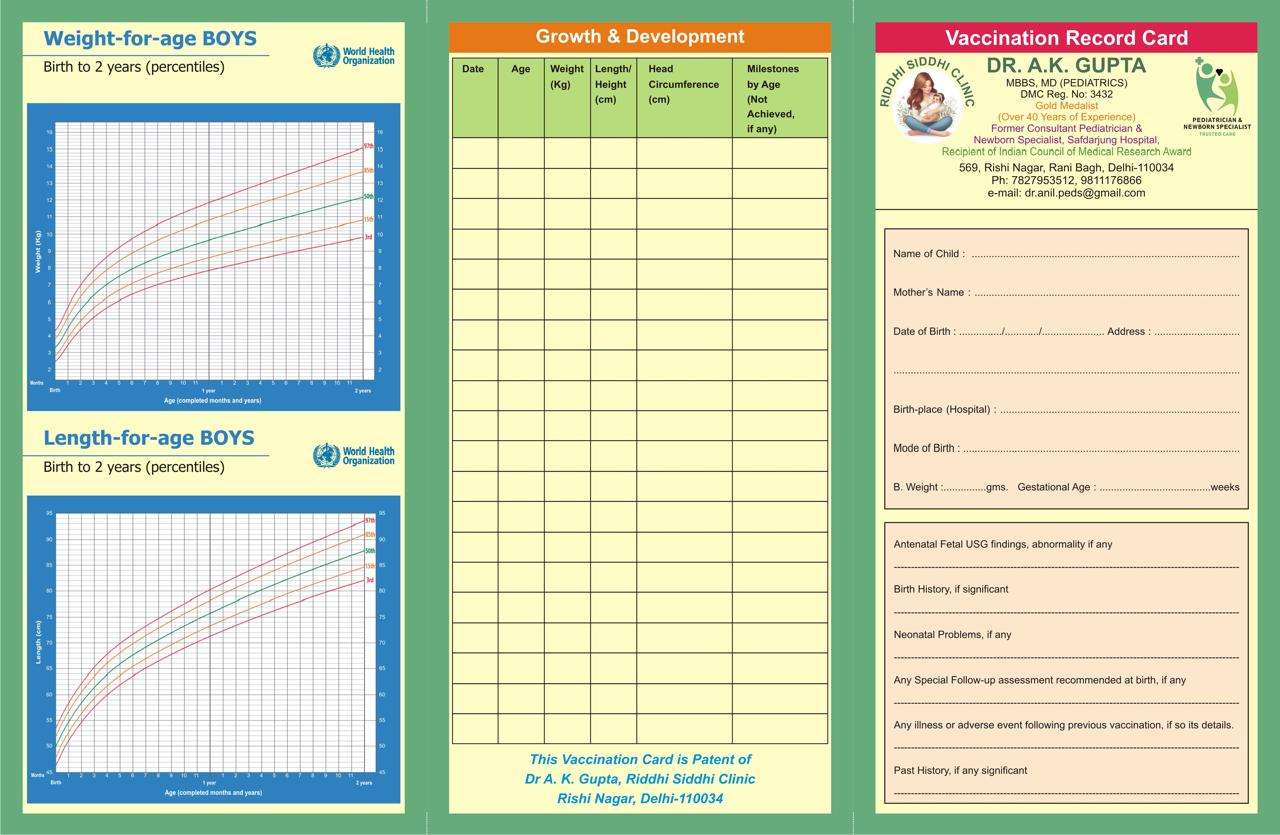
Growth and Development

Growth and development are key indicators of a child's overall health and well-being. For pediatricians, monitoring these aspects involves assessing physical milestones such as height, weight, and head circumference, as well as developmental progress in motor skills, language, cognition, and social interaction. Regular check-ups help identify any delays or concerns early, allowing for timely interventions. Growth charts, developmental screenings, and parental guidance are essential tools in this process. By supporting optimal growth and development, pediatricians play a vital role in ensuring children reach their full potential both physically and mentally. Early detection and holistic care are crucial for lifelong health.

GROWTH AND DEVELOPMENT
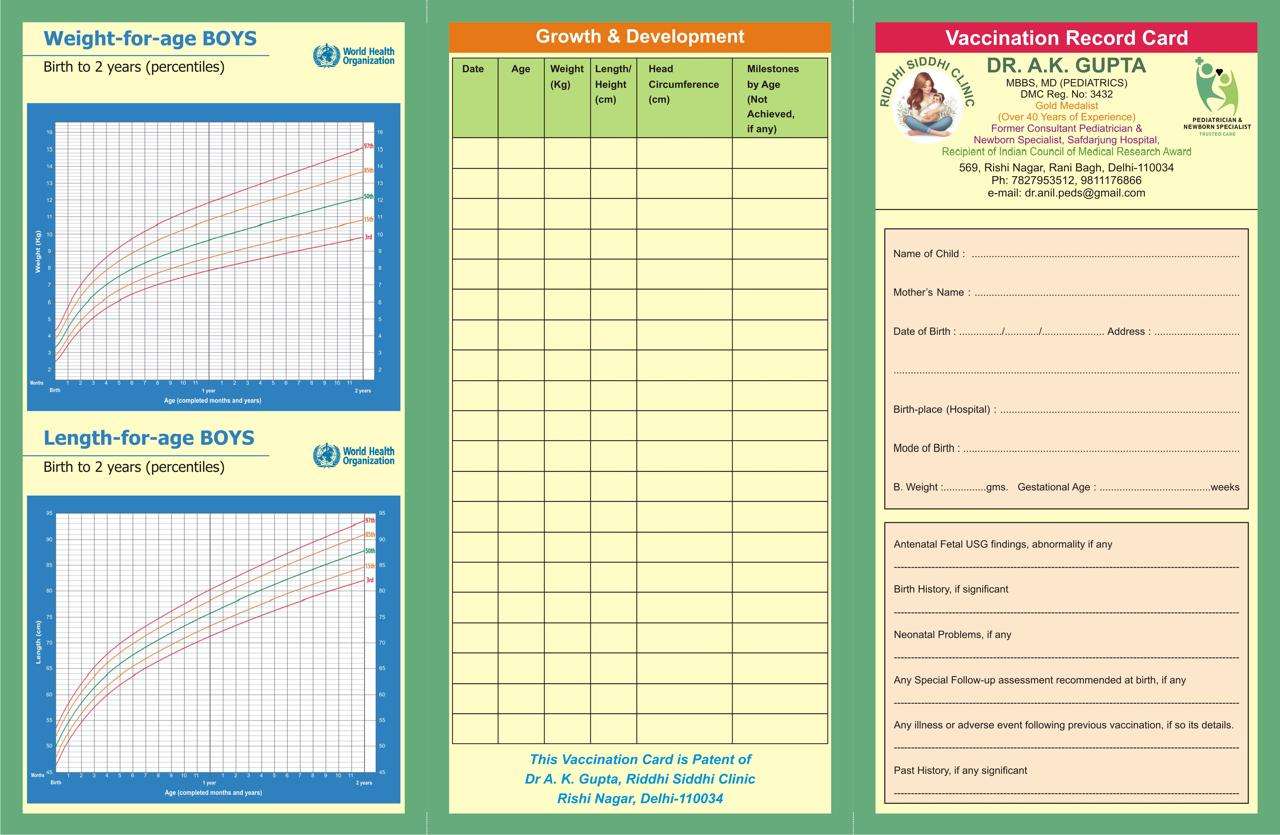
Growth and Development

Growth and development are key indicators of a child's overall health and well-being. For pediatricians, monitoring these aspects involves assessing physical milestones such as height, weight, and head circumference, as well as developmental progress in motor skills, language, cognition, and social interaction. Regular check-ups help identify any delays or concerns early, allowing for timely interventions. Growth charts, developmental screenings, and parental guidance are essential tools in this process. By supporting optimal growth and development, pediatricians play a vital role in ensuring children reach their full potential both physically and mentally. Early detection and holistic care are crucial for lifelong health.

INSULIN THERAPY
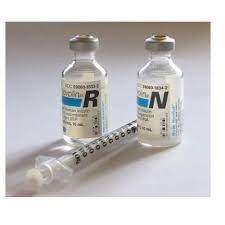
Insulin therapy

Insulin therapy is a critical part of treatment for people with type 1 diabetes and some people with type 2 diabetes. Insulin is a hormone that regulates the amount of glucose (sugar) in the blood. People with type 1 diabetes don't produce insulin because the body's immune system attacks and destroys the cells in the pancreas that produce insulin. People with type 2 diabetes don't respond to insulin as well as they should and in later stages often don't make enough insulin.

Here are the primary types of insulin, categorized by how long they work in the body:

1. Rapid-acting insulin: This type starts to work shortly after injection and lasts for a few hours. Examples include insulin lispro (Humalog), insulin aspart (NovoLog), and insulin glulisine (Apidra).

2. Short-acting insulin: This type of insulin starts to work within 30 minutes after injection and lasts 6 to 8 hours. Regular or R insulin (Humulin R, Novolin R) is an example.

3. Intermediate-acting insulin: The effects of this type of insulin last approximately 12 to 18 hours. Insulin isophane, also known as NPH insulin (Humulin N, Novolin N), is an example.

4. Long-acting insulin: This type of insulin is released slowly over 24 hours. Examples include insulin glargine (Lantus, Toujeo) and insulin detemir (Levemir).

5. Ultra long-acting insulin: This type of insulin starts working after several hours after injection and lasts longer than 24 hours. Insulin degludec (Tresiba) is an example.

 The choice of insulin type and regimen (when to take each dose, how many daily doses, etc.) is individualized based on factors such as the type of diabetes, the person's lifestyle (meal timing, physical activity), the need to control weight, the person's age, and the presence of other health conditions. 

 It's important to monitor blood glucose levels regularly when on insulin therapy, to ensure that the insulin is keeping blood glucose in the desired range, and to adjust insulin doses if necessary. 

 Insulin therapy needs to be accompanied by a balanced diet and regular physical activity. Additionally, because insulin can cause low blood sugar, individuals on insulin therapy need to know how to treat hypoglycemia (low blood sugar).

MEDICATION
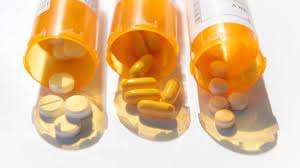
Medication

The medication a diabetologist prescribes will depend on the type of diabetes, the patient's blood sugar levels, their overall health, and other factors. 

Below are some common classes of diabetes medications:

1. Insulin: All people with type 1 diabetes and some with type 2 diabetes need insulin, which is a hormone that regulates blood sugar levels. There are different types of insulin, including rapid-acting, short-acting, intermediate-acting, and long-acting insulin.

2. Metformin (Biguanides): Metformin is often the first medication prescribed for type 2 diabetes. It works by decreasing glucose production by the liver and increasing the insulin sensitivity of body tissues.

3. Sulfonylureas: These medications stimulate the pancreas to produce and release more insulin. Examples include glipizide, glyburide, and glimepiride.

4. Meglitinides: These medications, such as repaglinide and nateglinide, work like sulfonylureas by stimulating the pancreas to secrete more insulin, but they're faster acting, and the duration of their effect in the body is shorter.

5. Thiazolidinediones: Like metformin, these medications—such as rosiglitazone and pioglitazone—make the body's tissues more sensitive to insulin.

6. DPP-4 inhibitors: These medications—such as sitagliptin, saxagliptin, and linagliptin—help reduce blood sugar levels but tend to have a minimal effect on weight.

7. GLP-1 receptor agonists: These injectable medications slow digestion and improve blood sugar levels. Examples include exenatide, liraglutide, and dulaglutide.

8. SGLT2 inhibitors: These are a new class of diabetic medications indicated only for type 2 diabetes. They work by preventing the kidneys from reabsorbing glucose into the blood.

The medication or combination of medications that works best will depend on the patient's individual situation. It's also important to note that medication is just one aspect of diabetes treatment. 

Diet, exercise, and weight control also play crucial roles. Patients should work closely with their diabetologist or other healthcare providers to manage diabetes effectively.

GROWTH AND NUTRITION

Growth And Nutrition
Good nutrition is required for the proper growth and development of children. To obtain good nutrition it is highly essential to eat a healthy balanced diet. A balanced diet is one that has all the nutrients like carbohydrates, proteins, and fats in the right proportion. Children's need for nutrition and energy is greatly higher than other age groups. It is estimated that undernourished children have less energy and so it has a negative impact on their academic performance. The nutrients needed for growth and development are protein, calcium, vitamins, omega-3 fats, iodine, and Zinc. Good hair growth symbolizes good nutrition. The nutrients required for good hair growth are vitamin C, biotin, iron, and zinc. Foods that help you to maintain your height are lean meat, chicken, beans, almonds, eggs, and leafy green vegetables. Good nutrition during childhood helps the children develop immunity against infections, ensures the good development of the brain and other organs, and improves the child's cognitive functioning. Poor nutrition can lead to nutritional deficiencies which in turn leads to deficiency disorders and has a great impact on their growth and development.

INFANT CARE

Infant Care
The infant is a term that indicates the age group of 0 to 1 year. It is the time period during which there is Rapid growth in both mental and physical spheres. There are some basic essential needs that are common to all infants including warmth and affection, good nourishment, and prevention of infection. Newborn cord care is a very important thing to take care of. Always the stump should be kept dry and it is advisable to stick with a sponge bath rather than a wet bath. The newborn cord usually takes around two weeks to heal. A newborn is so delicate that the skin has to be given extra care. The baby's skin has to be kept hydrated by bathing them in warm water for three to five minutes. Application of good baby lotion or moisturizer after bath is very essential. Remember to always pt the skin dry rather than rubbing. Newborn care is essential to avoid infections and minimize the risk of illness since the immune system of the newborn is weak. Proper knowledge is essential before starting with newborn care and you can acquire this knowledge from our experienced physicians. We provide prenatally and post-natal counseling so that your journey is comfortable and stress-free.

INFECTIOUS DISEASES

Infectious Diseases
Infections are more common in children than in other age groups due to the weaker and developing immune systems in children. They are in close contact with other children in the classrooms, transport, and Day Care Centres. It is due to this reason that infections are more likely to occur in children than adults. The most common infectious diseases during childhood are common cold, ear infections, conjunctivitis, gastroenteritis, and diseases of the hand, foot, and mouth. Infections are caused by a wide range of microorganisms which may be bacteria, viruses, or fungi. Skin infections are more common in children since they are exposed to a lot of microorganisms in the ground and transmission from other children through touch. Since it is the period during which they learn toilet training habits, it is easier for them to acquire urinary tract(UTI) infections. The main cause of UTI infection in children is E Coli bacteria. The treatment includes the administration of antibiotics either orally or through IV. Depending upon the type of infection, antiviral and antifungal medications are also given. It is important to diagnose the infection at the earliest and provide appropriate treatment to avoid complications. Do remember that infections can be varied and timely diagnosis and care are of utmost importance.

VACCINATION AND CHECKUP

Vaccination And Checkup
Vaccination is the simple and safest way to protect ourselves from infections. Vaccination is the process of administering a vaccine that helps the immune system to acquire immunity against a specific disease or infection. Vaccines contain microorganisms either in the live or killed state, which when administered develop immunity. When a large number of people get vaccinated, it results in herd immunity. Vaccination is found to be greatly responsible for the eradication of smallpox, and for the elimination of tetanus and polio from most parts of the world. It is important to vaccinate your child in order to give them a healthy future. For the pediatric age group, there is a list of vaccines to be administered according to the schedule including BCG, MMR, and so on. It is essential that you do not skip your children’s vaccination as a primary prevention measure. Vaccinations keep us healthy from infectious microorganisms and thereby boost our immunity and hence greatly prevent them from future disabilities and infections.

FAQs

What if my query is not listed here?
If you have any more queries that aren't listed, you can email us or call us.
Why is it best to consult a specialist?
A specialist doctor is trained to treat complex health conditions in their particular field. If you are diagnosed with a condition, it is best to consult a doctor who specializes in dealing with that particular condition.
Why should I consult Dr R Mohan?
Dr R Mohan is a specialist in Pediatrician and having more than 10 years of experience.
What if my query is not listed here?
If you have any more queries that aren't listed, you can email us.
Why is it best to consult a specialist?
A specialist doctor is trained to treat complex health conditions in their particular field. If you are diagnosed with a condition, it is best to consult a doctor who specializes in dealing with that particular condition.
How can I book an appointment?
You can click on the book appointment link.
Do I need to bring anything at my first appointment?
You may bring the following documents, if available: ID Proof Prior medication list Any prior diagnosis documentation X-RAY reports

