
Dr R N Chaurasia
About Me
Dr R N Chaurasia
MD
Pulmonologist
10 Years Experience
Biography
My Clinic
OPD Hours
| Monday | Morning | 10:00 AM | - | 02:00 PM |
| Evening | 06:00 PM | - | 09:00 PM | |
| Tuesday | Morning | 10:00 AM | - | 02:00 PM |
| Evening | 06:00 PM | - | 09:00 PM | |
| Wednesday | Morning | 10:00 AM | - | 02:00 PM |
| Evening | 06:00 PM | - | 09:00 PM | |
| Thursday | Morning | 10:00 AM | - | 02:00 PM |
| Evening | 06:00 PM | - | 09:00 PM | |
| Friday | Morning | 10:00 AM | - | 02:00 PM |
| Evening | 06:00 PM | - | 09:00 PM | |
| Saturday | Morning | 10:00 AM | - | 02:00 PM |
| Evening | 06:00 PM | - | 09:00 PM | |
| Sunday | Morning | 10:00 AM | - | 02:00 PM |
| Evening | 06:00 PM | - | 09:00 PM |
Treatments
Specialised care and treatments offered
PULMONARY REHABILITATION
Designed for individuals with chronic respiratory diseases, pulmonary rehabilitation combines exercise training with education about lung health. This multidisciplinary program aims at enhancing physical endurance and overall quality of life for patients suffering from chronic lung conditions such as COPD or asthma
- Symptoms may include fatigue during activity, shortness of breath during exertion among others.
- Evaluation includes assessments of lung function alongside individualized exercise plans tailored specifically for each patient’s abilities.
- Management options focus on progressive exercise regimens alongside nutritional advice addressing specific patient needs.
- Patients are expected to show notable improvements in their functional capacity over time leading potentially towards reduced exacerbation frequencies.
Engaging in structured rehabilitative therapy offers empowerment through knowledge while supporting positive health behaviors which are crucial toward managing chronic respiratory challenges effectively.
THORACENTESIS

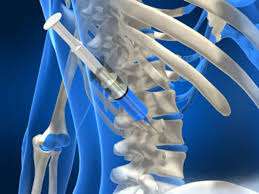
A thoracentesis is performed to remove excess fluid from the pleural space surrounding the lungs. This important procedure alleviates respiratory distress caused by pleural effusion and helps diagnose underlying conditions effectively.
- Pleural effusion symptoms often include dyspnea, cough, and sometimes fever if infection is present.
- The diagnosis begins with physical assessments followed by imaging techniques like chest X-rays leading up to thoracentesis as needed
- This intervention allows fluid analysis which may suggest causes like heart failure or malignancy; subsequent management will depend on these results.
- Patients typically experience immediate relief post-procedure with ongoing care focused on addressing underlying issues identified during analysis
A timely thoracentesis can be invaluable in providing both symptomatic relief and critical diagnostic insights into serious health conditions affecting lung function.
ENDOBRONCHIAL ULTRASOUND (EBUS)

Endobronchial ultrasound (EBUS) is a revolutionary technique allowing physicians to visualize structures within the lungs while obtaining tissue samples through bronchoscopy. It is instrumental for diagnosing various pulmonary conditions including cancers and infections.
- This procedure addresses symptoms such as persistent cough and unexplained fever that raise concerns over underlying lung disease.
- An initial assessment involves comprehensive imaging studies followed by EBUS as a less invasive option compared to traditional surgical biopsies.
- Treatment pathways are defined post-diagnosis, which may involve surveillance, medication adjustments, or surgical options depending on findings.
- The minimally invasive nature leads to shorter recovery times and reduced hospital stays compared to open surgical techniques.
The precision offered by EBUS ensures that patients receive targeted therapy tailored to their specific conditions essential for optimal health outcomes.
PLEURAL BIOPSY

A pleural biopsy is an essential diagnostic tool used when there are abnormalities in the pleura that may indicate infection or malignancy. This minimally invasive procedure allows for direct sampling of pleural fluid or tissue.
- Common symptoms leading to a biopsy include unexplained pleural effusion and severe chest pain.
- The procedure is typically guided by ultrasound or CT imaging to ensure accurate targeting of affected areas.
- Management may involve further testing depending on results; treatments could include antibiotics for infections or more aggressive therapies for cancer.
- Results are usually available quickly, providing crucial information for subsequent management plans.
This diagnostic approach plays a vital role in guiding appropriate therapeutic interventions based on individual patient needs.
BRONCHOSCOPIC LUNG VOLUME REDUCTION

This innovative procedure is designed for patients suffering from severe emphysema. By removing damaged lung tissue, it helps improve breathing and enhances quality of life.
- The primary symptom of emphysema includes shortness of breath during daily activities.
- A thorough diagnosis includes lung function tests along with imaging studies to assess lung health.
- Treatment focuses on using endobronchial valves or other devices to promote lung volume reduction without invasive surgery.
- Patients can look forward to significant improvements in their ability to engage in physical activities and overall well-being after treatment.
Understanding this method can empower patients towards better management of chronic obstructive pulmonary diseases (COPD).
LUNG CANCER SURGERY

Lung cancer surgery is a critical procedure aimed at removing cancerous tissues from the lungs. This approach can significantly improve survival rates, especially when the disease is detected early.
- Symptoms may include persistent cough, chest pain, and unintended weight loss.
- Diagnosis typically involves imaging tests such as X-rays or CT scans, followed by biopsies to confirm malignancy.
- Treatment options can range from surgical resection to chemotherapy and radiation therapy based on the stage of cancer.
- Post-surgery, patients can expect a recovery period that involves regular monitoring and follow-ups for any recurrence signs.
Early intervention is crucial; thus, awareness of symptoms and prompt medical attention can be life-saving.