
DR R P Kothari
About Me
DR R P Kothari
MD
Cardiologist
10 Years Experience
Biography
My Clinic
OPD Hours
| Monday | Morning | 10:00 AM | - | 02:00 PM |
| Evening | 06:00 PM | - | 09:00 PM | |
| Tuesday | Morning | 10:00 AM | - | 02:00 PM |
| Evening | 06:00 PM | - | 09:00 PM | |
| Wednesday | Morning | 10:00 AM | - | 02:00 PM |
| Evening | 06:00 PM | - | 09:00 PM | |
| Thursday | Morning | 10:00 AM | - | 02:00 PM |
| Evening | 06:00 PM | - | 09:00 PM | |
| Friday | Morning | 10:00 AM | - | 02:00 PM |
| Evening | 06:00 PM | - | 09:00 PM | |
| Saturday | Morning | 10:00 AM | - | 02:00 PM |
| Evening | 06:00 PM | - | 09:00 PM | |
| Sunday | Morning | 10:00 AM | - | 02:00 PM |
| Evening | 06:00 PM | - | 09:00 PM |
Treatments
Specialised care and treatments offered
TRANSCATHETER AORTIC VALVE REPLACEMENT (TAVR)

TAVR is an innovative minimally invasive procedure used to replace diseased aortic valves without open-heart surgery. It benefits patients at high surgical risk with severe aortic stenosis impairing blood flow from the heart.
- Condition Characteristics & Symptoms: Severe narrowing leads to chest pain, syncope , breathlessness on exertion due to obstructed outflow.
- Pre-Procedure Assessment: Imaging like echocardiography determines eligibility by evaluating valve anatomy.
- Procedural Overview: Via catheter insertion generally through femoral artery,TAVR deploys a new valve inside the diseased native valve restoring function.
- Recovery & Expectations: Hospital stay tends to be shorter than traditional surgery; many resume daily activities sooner.
The TAVR technique revolutionizes treatment options especially among elderly patients providing symptom relief coupled with reduced procedural risks.
ADVANCED HEART FAILURE MANAGEMENT INCLUDING LVAD
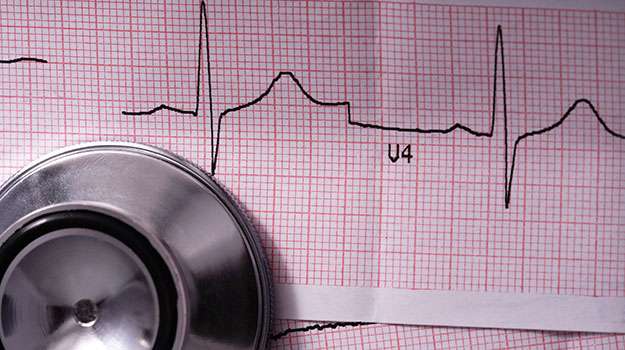
The management of advanced heart failure includes medical therapy supplemented by mechanical support devices like Left Ventricular Assist Devices (LVAD) for patients awaiting transplantation or those ineligible for transplant options.
- Disease Background & Identification: Progressive weakening of the heart muscle triggers symptoms such as severe breathlessness, fatigue, fluid retention despite optimal medical treatment.
- Treatment Modalities:Lifestyle changes combined with medications form the first line; LVAD implantation assists circulation mechanically in refractory cases improving survival rates significantly.
This approach offers hope by enhancing quality of life and prolonging survival in patients with end-stage heart failure who have limited alternatives available otherwise. Regular monitoring ensures device functionality continues optimally post-implantation.
ELECTROPHYSIOLOGY STUDY AND ABLATION
An Electrophysiology Study (EPS) evaluates abnormal heart rhythms by mapping electrical signals within the heart. When indicated, catheter ablation targets tissue causing arrhythmias for precise correction.
- Causative Factors & Symptoms: Palpitations, dizziness, fainting spells often prompt investigation for arrhythmias like atrial fibrillation or tachycardia.
- Diagnostic Workup: EPS involves inserting catheters via veins into the heart for detailed electrical mapping to pinpoint problem areas.
- Treatment Details:Ablation uses radiofrequency energy or cryotherapy delivered through catheters to destroy abnormal conduction pathways causing arrhythmias.
This minimally invasive treatment can provide long-lasting rhythm control when medications alone are insufficient for arrhythmia management.
VALVE REPAIR AND REPLACEMENT SURGERY
Surgical repair or replacement of damaged heart valves helps restore normal heart function when valves become stenotic or insufficient. This treatment addresses conditions such as mitral valve prolapse or aortic stenosis.
- Symptoms/ Causes: Valve diseases often cause fatigue, breathlessness, irregular heartbeat, or swelling due to impaired blood flow within the heart.
- Diagnosis Techniques: Echocardiograms provide detailed images assessing valve structure and function before surgery planning.
- Treatment Options: Depending on severity, valves can be surgically repaired or replaced with mechanical or biological prostheses.
- Surgical Approach & Recovery: The procedure may involve open-heart surgery under general anesthesia; recovery involves close monitoring and medication adherence.
This intervention significantly improves symptoms and long-term heart health by correcting valve dysfunctions efficiently.
PERCUTANEOUS CORONARY INTERVENTION (PCI)
Percutaneous Coronary Intervention is a minimally invasive technique used to open narrowed coronary arteries. It is commonly performed using balloon angioplasty combined with stent placement to keep arteries open.
- Symptoms & Causes: Patients typically experience chest pain or discomfort due to plaque build-up causing narrowing of coronary arteries.
- How It’s Diagnosed: Coronary angiography provides detailed imaging guiding the intervention process.
- Treatment Process: A catheter with a balloon is inserted through a blood vessel, inflated at the blockage site, followed by deployment of a stent to maintain patency.
- Aftercare: Medications such as antiplatelets are prescribed; lifestyle modifications are critical for long-term success.
This approach offers quicker recovery compared to surgery and effectively relieves symptoms associated with coronary artery disease.
CORONARY ARTERY BYPASS GRAFTING (CABG)
Coronary Artery Bypass Grafting is a surgical procedure used to improve blood flow to the heart muscle in patients with severe coronary artery disease. It’s often recommended when arteries are too narrowed or blocked for other treatments.
- Causes and Symptoms: Blockage usually results from atherosclerosis, leading to chest pain or angina and possible shortness of breath.
- Diagnosis: Angiography or stress tests help identify the exact location and severity of blockages requiring bypass.
- Treatment Options: The surgery involves grafting vessels from other body parts to bypass blocked arteries, restoring adequate blood supply.
- Management: Post-surgery care includes medications for clot prevention, lifestyle changes, and cardiac rehabilitation.
- What to Expect: Recovery may take weeks, with gradual improvement in symptoms and exercise tolerance over time.
This procedure is highly effective in reducing symptoms and improving quality of life for patients with significant coronary artery disease.