
DR R S Mittal
About Me
DR R S Mittal
MS
Orthopaedic Surgeons
10 Years Experience
Biography
My Clinic
OPD Hours
| Monday | Morning | 10:00 AM | - | 02:00 PM |
| Evening | 06:00 PM | - | 09:00 PM | |
| Tuesday | Morning | 10:00 AM | - | 02:00 PM |
| Evening | 06:00 PM | - | 09:00 PM | |
| Wednesday | Morning | 10:00 AM | - | 02:00 PM |
| Evening | 06:00 PM | - | 09:00 PM | |
| Thursday | Morning | 10:00 AM | - | 02:00 PM |
| Evening | 06:00 PM | - | 09:00 PM | |
| Friday | Morning | 10:00 AM | - | 02:00 PM |
| Evening | 06:00 PM | - | 09:00 PM | |
| Saturday | Morning | 10:00 AM | - | 02:00 PM |
| Evening | 06:00 PM | - | 09:00 PM | |
| Sunday | Morning | 10:00 AM | - | 02:00 PM |
| Evening | 06:00 PM | - | 09:00 PM |
Treatments
Specialised care and treatments offered
PLANTAR FASCIITIS
This common condition involves inflammation of thick tissue along bottom feet leading up heel pain primarily resulting within morning periods upon awakening or long durations spent standing throughout daytimes incurred respectively!()
HERNIATED DISC

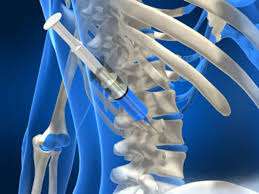
A herniated disc occurs when one of the rubbery cushions (discs) between your vertebrae slips out of place and presses on nerves causing discomfort. This condition frequently manifests itself in lower back regions but might also affect neck areas leading through arms into hands!
The following points highlight important aspects:Consistent adherence maximizes chances towards better health outcomes whilst easing tensions surrounding daily routines sustained past challenges faced!
CARPAL TUNNEL SYNDROME

This condition arises when the median nerve becomes compressed as it travels through the wrist at the carpal tunnel. Symptoms typically worsen with repetitive wrist movements often seen in various professions and hobbies.
- An early indicator may be Numbness, tingling sensations particularly in thumb/index/middle fingers that could progress over time if left untreated.
A proactive approach toward managing symptoms early on proves beneficial in preventing complications down the line!
FRACTURES

A fracture is a medical condition characterized by a break in the continuity of bone. Fractures can occur due to trauma or stress on bones during everyday activities or accidents.
- Symptoms: Pain at the injury site, swelling, bruising, deformity of the limb if displaced fractures occur are common signs to watch for.
- Causes: Fractures can result from falls, high-impact sports injuries or conditions like osteoporosis which reduces bone density and strength.
- Diagnosis: Most fractures are diagnosed through physical examinations complemented by X-rays or other imaging techniques to assess the severity of the break.
- Treatment options: Treatment approaches range from immobilization using casts or splints for simple fractures to surgical intervention involving pins or plates for complex cases.
- What to expect: With appropriate care and rehabilitation post-treatment, most individuals recover well but adherence to follow-up plans is essential for optimal healing.
Catching fractures early is key for effective treatment outcomes and regaining full function quickly.
TENDINITIS

Tendinitis refers to inflammation or irritation of a tendon — the fibrous tissue connecting muscle to bone. This condition often arises from repetitive motion or overuse.
- Symptoms: Key indicators often include localized pain near a joint that worsens with movement, tenderness or stiffness in the affected area.
- Causes: Common causes can include aging, sports activities involving repetitive motions (like running or swimming), or even certain occupations that place stress on tendons.
- Diagnosis: A healthcare provider will usually conduct a physical examination along with patient history; imaging tests might be utilized if necessary.
- Treatment options: Treatments can vary from rest and ice application to anti-inflammatory medications and physical therapy. In more severe situations, corticosteroid injections may be considered.
- What to expect: Although recovery times depend on severity, most patients experience significant improvement with proper treatment strategies.
Effective management can alleviate pain and restore functionality in daily activities.
OSTEOARTHRITIS

Osteoarthritis is a degenerative joint disease that affects millions of people worldwide. It occurs when the protective cartilage that cushions the ends of bones wears down over time, leading to pain and stiffness.
- Symptoms: Common signs include joint pain, swelling, stiffness especially in the morning or after sitting, and decreased range of motion.
- Causes: Factors contributing to osteoarthritis include age, obesity, joint injuries, and genetics.
- Diagnosis: Physicians typically diagnose osteoarthritis through physical exams, patient history, and imaging tests like X-rays or MRIs.
- Treatment options: Management may involve lifestyle modifications, physical therapy, medications such as NSAIDs, and in severe cases, surgical interventions like joint replacement.
- What to expect: While there is no cure for osteoarthritis, treatment can help manage symptoms effectively and improve quality of life.
Early intervention and an individualized management plan are crucial for maintaining joint health and mobility.