
Dr Rachitas
About Me
Dr Rachitas
Cardiologist
Biography
My Clinic
OPD Hours
| Tuesday | Morning | 10:00 AM | - | 02:00 PM |
| Evening | 06:00 PM | - | 09:00 PM | |
| Wednesday | Morning | 10:00 AM | - | 02:00 PM |
| Evening | 06:00 PM | - | 09:00 PM | |
| Thursday | Morning | 10:00 AM | - | 02:00 PM |
| Evening | 06:00 PM | - | 09:00 PM | |
| Friday | Morning | 10:00 AM | - | 02:00 PM |
| Evening | 06:00 PM | - | 09:00 PM | |
| Saturday | Morning | 10:00 AM | - | 02:00 PM |
| Evening | 06:00 PM | - | 09:00 PM | |
| Sunday | Morning | 10:00 AM | - | 02:00 PM |
| Evening | 06:00 PM | - | 09:00 PM | |
| Thursday | Morning | 10:00 AM | - | 02:00 PM |
| Evening | 06:00 PM | - | 09:00 PM |
Treatments
Specialised care and treatments offered
PERIPHERAL ARTERY DISEASE (PAD) MANAGEMENT

Peripheral Artery Disease (PAD) affects circulation due to narrowed arteries mainly impacting the limbs. Effective management promotes better blood flow which can alleviate symptoms experienced during daily activities such as walking or exercising regularly
- Symptoms may include cramping pain in legs while walking (known as intermittent claudication) alongside numbness/coldness sensations frequently reported also accompanied possibly by wound healing difficulties thereafter).
- Diagnosis encompasses physical exams combined with Doppler ultrasound testing further confirming reduced arterial flow efficiency encountered across specific regions concerned .
- Management focuses primarily around medication regimens enhancing vascular health through improvements warranted involving either bypass surgeries , stenting procedures enabling preferred routes /methods facilitating improved perfusion dynamics respectively associated accordingly depending upon severity noted .
- Engagement towards lifestyle alterations correlating directly enhances chances favorably influencing overall prognosis yielding healthier outcomes wherein patients thrive actively minimizing any potential risks prioritizing their well-being moving forward generously afterwards too proactively scheduled follow-ups dependable ensuring comprehensive support systems remain intact meaningfully !
Prioritizing awareness surrounding Peripheral Artery Disease aids individuals gaining confidence navigating healthcare avenues optimally achieving desired fitness-related goals establishing enhanced living qualities available achievable towards fulfillment eventually!
CHOLESTEROL MANAGEMENT
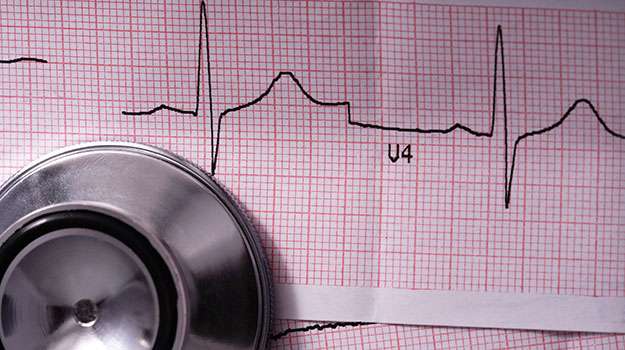
Managing cholesterol levels is critical in maintaining cardiovascular health. High cholesterol can lead to plaque buildup in arteries—resulting in serious medical conditions like heart attacks or strokes if left unchecked.
- The most common symptoms may be absent; however, elevated cholesterol heightens overall cardiovascular disease risk significantly over time.
- A diagnosis usually involves lipid panel testing after fasting periods followed by periodic evaluations based on results obtained from initial assessments。
- Treatment approaches focus on both lifestyle interventions—such as dietary changes—and medications like statins when required according healthcare professionals' recommendations .
- Monitoring cholesterol periodically allows timely adjustments necessary for effective management while encouraging patient engagement throughout this process .
Regular attention towards cholesterol control dramatically improves one’s potential life expectancy alongside reduced occurrence rates among future cardiac events
HYPERTENSION MANAGEMENT
Hypertension, or high blood pressure, is often referred to as a 'silent killer' since it can lead to serious health issues without obvious signs. Effective management is essential for reducing risks related to cardiovascular diseases.
- Symptoms may be non-existent but can include headaches, nosebleeds, or vision problems in severe cases.
- A diagnosis typically requires multiple readings taken over time using standard sphygmomanometers or automated devices.
- Treatment generally involves lifestyle modifications—such as diet and exercise—as well as medications prescribed based on individual needs.
- An ongoing plan with regular check-ups helps ensure that blood pressure levels remain within target ranges optimal for health maintenance.
Caring for Hypertension proactively plays a key role in improving long-term health outcomes and minimizing your risk for chronic conditions related to elevated blood pressure levels.
HEART FAILURE TREATMENT
Heart failure occurs when the heart cannot pump sufficiently to maintain blood flow. This condition requires careful evaluation and tailored treatment plans to help manage symptoms and improve heart function.
- Main symptoms often include shortness of breath, swelling in the legs and ankles, and fatigue during routine activities.
- The diagnosis usually involves imaging tests such as echocardiograms along with blood tests to assess heart function.
- Treatment options can range from lifestyle modifications and medications to devices that assist in pumping blood effectively when necessary.
- Regular follow-ups are important for monitoring progress and adjusting treatments as needed.
Understanding Heart Failure allows for better management strategies that enhance life expectancy and well-being for affected individuals.
ATRIAL FIBRILLATION (AFIB) MANAGEMENT
Atrial Fibrillation is a common heart rhythm disorder characterized by an irregular heartbeat. Effective management can significantly improve quality of life and prevent serious complications like stroke.
- Common symptoms include palpitations, dizziness, and increased fatigue during activity.
- Diagnosis is often made through an electrocardiogram (ECG) or Holter monitor to capture abnormal heart rhythms.
- Treatment strategies may involve medications for rate control or anticoagulants to reduce stroke risk. In some cases, procedures like catheter ablation are recommended.
- Ongoing monitoring and lifestyle changes play crucial roles in managing AFib effectively.
With proper management, individuals with Atrial Fibrillation can lead healthy lives while reducing their risk of severe outcomes.
CORONARY ANGIOPLASTY
Coronary Angioplasty is a minimally invasive procedure aimed at opening narrowed or blocked coronary arteries. It is often used when patients experience symptoms of heart disease, such as chest pain or discomfort.
- Symptoms may include chest pain, shortness of breath, and fatigue.
- Diagnosis typically involves imaging tests such as an angiogram to visualize blood flow in the heart.
- Treatment includes the insertion of a balloon catheter to widen the artery and placing a stent to keep it open.
- Patients can expect a relatively quick recovery, with most returning to normal activities within days.
- This procedure significantly reduces the risk of heart attack by improving blood flow.
Overall, Coronary Angioplasty is an effective option for managing coronary artery disease, providing symptomatic relief and preventing further complications.