
Dr Rachna Jain
About Me
Dr Rachna Jain
Ophthalmologist
Biography
My Clinic
OPD Hours
| Tuesday | Morning | 10:00 AM | - | 02:00 PM |
| Evening | 06:00 PM | - | 09:00 PM | |
| Wednesday | Morning | 10:00 AM | - | 02:00 PM |
| Evening | 06:00 PM | - | 09:00 PM | |
| Thursday | Morning | 10:00 AM | - | 02:00 PM |
| Evening | 06:00 PM | - | 09:00 PM | |
| Friday | Morning | 10:00 AM | - | 02:00 PM |
| Evening | 06:00 PM | - | 09:00 PM | |
| Saturday | Morning | 10:00 AM | - | 02:00 PM |
| Evening | 06:00 PM | - | 09:00 PM | |
| Sunday | Morning | 10:00 AM | - | 02:00 PM |
| Evening | 06:00 PM | - | 09:00 PM | |
| Thursday | Morning | 10:00 AM | - | 02:00 PM |
| Evening | 06:00 PM | - | 09:00 PM |
Treatments
Specialised care and treatments offered
OPTIC NEURITIS
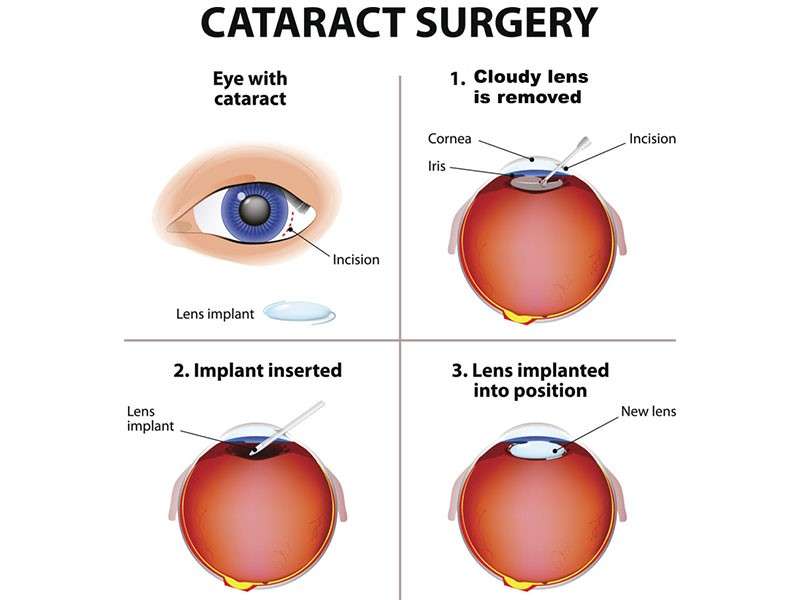
This inflammatory condition affects the optic nerve leading from your eyes to your brain. Optic neuritis can cause significant discomfort along with temporary changes in your ability to see clearly; hence understanding its nature is vital for effective management!
- The primary symptoms consist of sudden loss of vision (often only one eye), pain that worsens during movement of focus toward bright lights along potential color perception issues too!
- A thorough neurological assessment combined with MRI scans frequently aids clinicians in confirming optic neuritis presence while excluding alternative diagnoses stemming from neurological disorders too!
- Treatment modalities frequently emphasize steroid-based interventions aimed at alleviating inflammation while promoting rapid visual recovery—most individuals see partial improvement within weeks post-treatment initiation!
If experiencing unusual visual disturbances alongside discomfort—immediate professional evaluation stands recommended ensuring appropriate support throughout recovery process!
UVEITIS
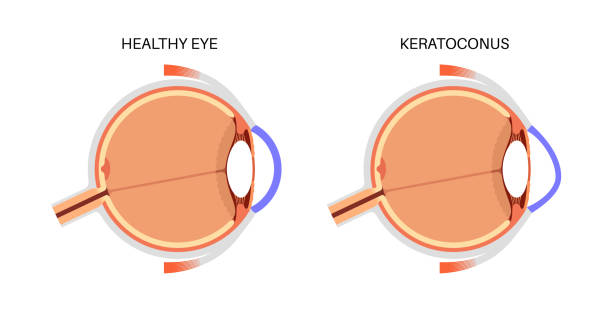
This term refers to inflammation of the uvea—the middle layer of the eye. Uveitis can arise from infections or autoimmune disorders and requires timely diagnosis and treatment for optimal outcomes regarding visual health.
- The symptoms vary but commonly include redness of the eye, sensitivity to light (photophobia), blurred vision, and sometimes ocular pain or swelling around the eyes.
- A comprehensive dilated exam will help confirm uveitis presence while ruling out other conditions as well through visual tests and possibly lab work assessing underlying causes related to inflammation factors.
- Treatment generally consists of corticosteroid medications administered topically or systemically along with immunosuppressive therapies in chronic cases
If you notice any troubling signs associated with uveitis development—early consultation with an ophthalmologist could make all difference toward managing aspects efficiently!
VITREOUS HEMORRHAGE
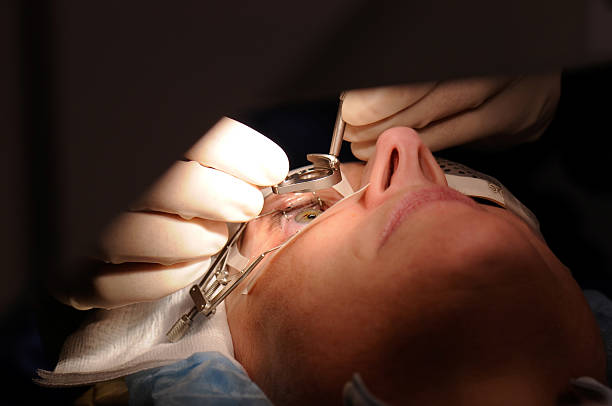
This condition involves bleeding into the vitreous cavity of the eye and can significantly affect vision. Vitreous hemorrhage may occur suddenly due to various underlying issues affecting the retina or blood vessels in the eyes.
- Commonly reported symptoms include sudden onset of floaters and shadows obstructing clear vision; some patients report seeing red spots or having blurry images overall.
- A detailed assessment using retinal photography helps experts diagnose this condition alongside other tests like ultrasonic imaging if required.
- Treatment often begins with close observation; however, surgical options like vitrectomy might be needed based on severity and duration of symptoms without improvement.
You should seek medical evaluation promptly if experiencing signs indicative of vitreous hemorrhage as early intervention is pivotal in preserving eyesight quality.
CORNEAL ABRASION
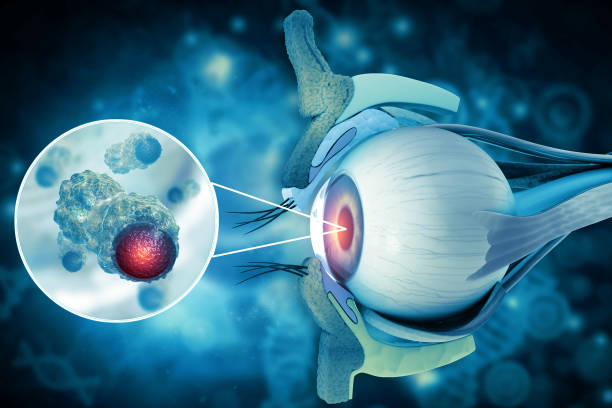
A corneal abrasion refers to a scratch or injury on the clear front surface of the eye. While it may seem minor, this condition can be quite painful and lead to complications if not appropriately cared for.
- The most typical symptoms include sharp pain in the eye, tearing, redness, sensitivity to light, and blurred vision.
- A thorough eye examination will usually confirm diagnosis through visual acuity tests and fluorescein staining which highlights abrasions on the cornea.
- Treatment may involve antibiotic ointments or drops, along with pain management strategies such as topical analgesics.
- You should expect a follow-up visit to ensure proper healing; most abrasions heal within a few days with appropriate care.
If you suffer an eye injury leading to discomfort or impaired vision, immediate medical advice is recommended for optimal healing results.
ACUTE GLAUCOMA
This eye condition is characterized by a rapid increase in intraocular pressure that can cause severe pain and vision changes. Acute glaucoma demands urgent treatment to mitigate potential damage to the optic nerve.
- Common symptoms include intense eye pain, headache, halos around lights, nausea, and blurred vision.
- An examination will often reveal mid-dilated pupils and a firm eye during diagnosis; tonometry is used to measure eye pressure.
- Treatment options typically involve medications to lower eye pressure followed by potential laser surgery to enhance fluid drainage.
- A prompt response is critical; without treatment, vision loss can occur within hours or days.
If you suspect acute glaucoma due to sudden symptoms, consult an ophthalmologist right away for evaluation and intervention.
RETINAL DETACHMENT
Retinal detachment is a serious condition that requires immediate attention. It occurs when the retina becomes separated from its underlying supportive tissue. This separation can lead to vision loss if not treated promptly.
- Symptoms may include sudden flashes of light, floaters in vision, or a shadow appearing in your peripheral sight.
- Diagnosis typically involves a comprehensive eye exam, including visual acuity tests and imaging techniques like an OCT scan.
- Treatment options range from lasers to surgery such as pneumatic retinopexy or vitrectomy, depending on the severity.
- Management is crucial, and follow-up appointments are essential to monitor recovery and prevent further complications.
- What to expect after treatment includes improved vision over time; however, full recovery may take several weeks.
If you experience symptoms linked to retinal detachment, seek medical help immediately for the best chance of preserving your vision.