
Dr Radhika Kopikar
About Me
Dr Radhika Kopikar
Dermatologist
Biography
My Clinic
OPD Hours
| Tuesday | Morning | 10:00 AM | - | 02:00 PM |
| Evening | 06:00 PM | - | 09:00 PM | |
| Wednesday | Morning | 10:00 AM | - | 02:00 PM |
| Evening | 06:00 PM | - | 09:00 PM | |
| Thursday | Morning | 10:00 AM | - | 02:00 PM |
| Evening | 06:00 PM | - | 09:00 PM | |
| Friday | Morning | 10:00 AM | - | 02:00 PM |
| Evening | 06:00 PM | - | 09:00 PM | |
| Saturday | Morning | 10:00 AM | - | 02:00 PM |
| Evening | 06:00 PM | - | 09:00 PM | |
| Sunday | Morning | 10:00 AM | - | 02:00 PM |
| Evening | 06:00 PM | - | 09:00 PM | |
| Thursday | Morning | 10:00 AM | - | 02:00 PM |
| Evening | 06:00 PM | - | 09:00 PM |
Treatments
Specialised care and treatments offered
WARTS
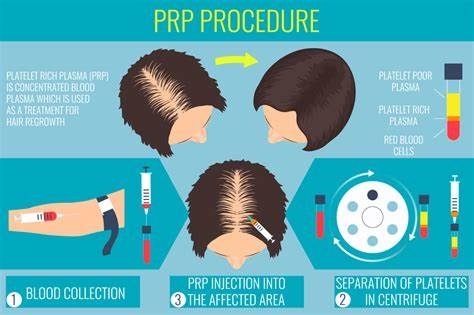
Warts are benign growths caused by human papillomavirus (HPV) infection that manifest on different body areas including fingers & feet causing cosmetic concerns more than discomfort usually!
.- . < li . < strong . Symptoms . < / :rong&g : Many present small raised bumps resembling cauliflowers appearing anywhere potential risks arise from cuts/abrasions exposed frequently! “. < li . < stong . < / g: Warts develop primarily when HPV infects outer skin layers compromising immune responses leading them form persistently”. “< / l i>. < l i . < str0ng“Treatment o]ptions`~Management focuses on cryotherapy—freezing off lesions—alongside topical acids including salicylic acid/laser removal under special circumstances.”< / l i>. ”< l i ”< stong ”‘Expectations’”~”No side effects noted except possible recurrence after resolution requiring patience glancing self-care.'&t_ any initial bumps might disappear gradually.'“< / ul}
;Acknowledging wart nature empowers better decision making regarding safe removals!”
HYPERPIGMENTATION
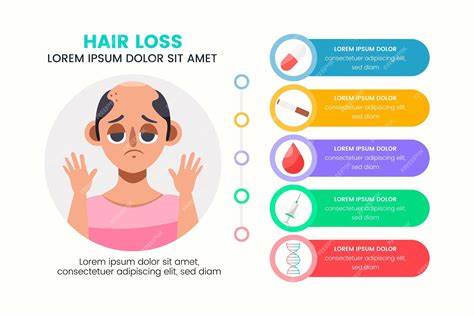
Hyperpigmentation refers to darkened areas of the skin caused by excess melanin production. This condition can appear anywhere on the body and is not typically harmful but can affect one’s appearance significantly.
- Symptoms : Hyperpigmented spots are usually brown or black patches varying in size depending upon factors like sun damage or inflammation.
- Causes : Sun exposure is a prominent factor contributing alongside hormonal changes (like pregnancy) or post-inflammatory effects from injuries/acne scars.
- Diagnosis : Dermatologists assess pigmented areas through visual examination; sometimes dermatoscopic evaluation assists in determining underlying causes accurately.
- Treatment options : Common treatments include topical agents like hydroquinone or azelaic acid paired with chemical peels – sun protection remains critical during treatment plans!
Improved understanding paired with ongoing efforts makes it possible for patients seeking solutions regarding hyperpigmentation challenges they face daily!
ROSACEA
Rosacea is a chronic skin condition resulting in facial redness and other symptoms that vary widely among individuals. It commonly affects adults aged 30-50 years but can occur at any age.
- Symptoms: Patients often report flushing easily alongside persistent redness on the nose and cheeks; some may develop bumps resembling acne.
- Causes: While its exact cause is unknown, factors such as hot beverages, spicy foods, alcohol intake, sun exposure, and emotional stress are known triggers for flare-ups.
- Diagnosis : Generally diagnosed based on clinical appearance; further investigation might be required if symptoms overlap with other conditions.
- Treatment options : Management strategies include topical applications like metronidazole or azelaic acid alongside oral antibiotics for more severe cases; avoidance of triggers plays an essential role too.
- What to expect : Although rosacea cannot be cured completely, consistent treatment effectively controls outbreaks allowing patients improved self-esteem.
An individualized approach significantly enhances management outcomes for individuals living with rosacea.
PSORIASIS
Psoriasis is an autoimmune condition that manifests as rapid skin cell growth resulting in scaling on the skin's surface. This chronic disorder often cycles through periods of flares and remission.
- Symptoms: Common signs include thick red patches covered with silvery scales that are often itchy or painful.
- Causes: Triggers may include stress, infections, certain medications, and lifestyle factors such as smoking or obesity.
- Diagnosis: Dermatologists typically diagnose psoriasis through visual inspection of the skin; occasionally a biopsy may be needed for confirmation.
- Treatment options: Options range from topical treatments (such as corticosteroids), phototherapy to systemic medications for severe cases; lifestyle changes also play a vital role in management.
A multidisciplinary approach that combines medication with lifestyle interventions offers the best outcomes for those managing psoriasis effectively.
ECZEMA
Eczema is a chronic inflammatory skin condition characterized by dry, itchy patches on the skin. It affects individuals of all ages but is particularly common in children.
- Symptoms: Patients often experience red or brownish-gray patches on various body parts along with intense itching.
- Causes: Factors like genetics, environmental allergens (such as dust mites), and stress can trigger eczema flare-ups.
- Diagnosis: Diagnosis usually involves a physical examination and a review of medical history; patch testing may be conducted for allergies.
- Treatment options: Management typically includes topical corticosteroids, moisturizers to hydrate the skin, antihistamines to relieve itching, and avoiding known triggers.
- What to expect: Regular follow-up with a healthcare provider ensures effective management of symptoms and reduction in flare-ups over time.
A comprehensive approach tailored individually can significantly improve quality of life for those suffering from eczema.
ACNE
Acne is a common skin condition that affects many people, particularly during adolescence and young adulthood. It occurs when hair follicles become clogged with oil and dead skin cells, leading to inflammation.
- Symptoms: These can include whiteheads, blackheads, pimples, and cystic lesions.
- Causes: Factors such as hormonal changes, bacteria, excess oil production, and certain medications can contribute to acne development.
- Diagnosis: A dermatologist typically examines the skin and may inquire about medical history to determine the severity of the condition.
- Treatment options: Management may involve topical treatments like benzoyl peroxide or retinoids, oral medications such as antibiotics or hormonal therapies, and lifestyle modifications that promote skin health.
- What to expect: With consistent treatment, improvements can be expected over several weeks or months; however, it’s important to maintain a skincare routine for long-term management.
Effective acne treatment often requires patience and persistence. Consulting a specialist can help identify the best approach tailored to individual needs.