
Dr Radhika Kopikar
About Me
Dr Radhika Kopikar
Dermatologist
Biography
My Clinic
OPD Hours
| Tuesday | Morning | 10:00 AM | - | 02:00 PM |
| Evening | 06:00 PM | - | 09:00 PM | |
| Wednesday | Morning | 10:00 AM | - | 02:00 PM |
| Evening | 06:00 PM | - | 09:00 PM | |
| Thursday | Morning | 10:00 AM | - | 02:00 PM |
| Evening | 06:00 PM | - | 09:00 PM | |
| Friday | Morning | 10:00 AM | - | 02:00 PM |
| Evening | 06:00 PM | - | 09:00 PM | |
| Saturday | Morning | 10:00 AM | - | 02:00 PM |
| Evening | 06:00 PM | - | 09:00 PM | |
| Sunday | Morning | 10:00 AM | - | 02:00 PM |
| Evening | 06:00 PM | - | 09:00 PM | |
| Thursday | Morning | 10:00 AM | - | 02:00 PM |
| Evening | 06:00 PM | - | 09:00 PM |
Treatments
Specialised care and treatments offered
ROSACEA
This prevalent inflammatory condition mainly affects facial regions leading to redness across cheeks or nose along with visible blood vessels. Many people experience flare-ups due not only sensitivity but potential triggers linked directly dietary choices & temperature shifts too!
,SKIN CANCER SCREENING
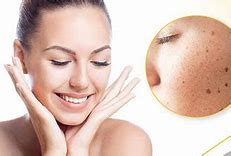
A preventive measure focusing on early detection of skin cancer which includes examining areas of your skin for unusual moles or growths. Early identification is crucial for successful treatment outcomes in various types of skin cancer including melanoma and non-melanoma cancers.
- The Main Symptoms: Unusual changes in existing moles or the appearance of new growths should be noted carefully over time.
PSORIASIS
This autoimmune condition speeds up the growth cycle of skin cells leading to thickened patches of red skin covered with silvery scales. Psoriasis commonly affects the elbows, knees, scalp, and lower back but can occur anywhere on the body.
- Symptoms: Patients often experience raised patches of inflamed skin that may itch or burn.
- Causative factors: Triggers include stress, infections, and certain medications that can exacerbate symptoms.
- Differential diagnosis: Diagnosis usually involves a thorough examination and sometimes a skin biopsy for confirmation.
- Treatment approaches: Options range from topical treatments such as corticosteroids to systemic therapies for more severe cases.
An individualized treatment plan helps many patients manage their psoriasis effectively and improve their quality of life.
ECZEMA
Eczema is a chronic skin condition characterized by inflammation and irritation. It often appears as red, itchy patches on various parts of the body and can be triggered by allergens or stress.
- Common Symptoms: Key signs include dry patches of skin that may weep or crust over.
- Causes: Both genetic factors and environmental triggers play a role in its development.
- Diagnosis: Dermatologists often diagnose eczema through detailed patient history and physical examination.
- Treatment options: Topical corticosteroids are commonly prescribed to reduce inflammation alongside moisturizers to hydrate the skin.
- What to expect: Effective management may involve developing a personalized skincare routine to alleviate flare-ups.
A proactive approach can help individuals manage their eczema effectively over time.
ACNE
Acne is a common skin condition that occurs when hair follicles become clogged with oil and dead skin cells. It can manifest as pimples, blackheads, or cysts, primarily affecting areas like the face, back, and shoulders.
- Symptoms: The primary symptoms include the presence of whiteheads, blackheads, or pus-filled lesions.
- Causes: Factors contributing to acne include hormonal changes, excess oil production, and bacteria.
- Diagnosis: A dermatologist typically diagnoses acne through a visual examination of the skin.
- Treatment options: Management can involve topical treatments such as retinoids and antibiotics, oral medications like birth control pills or isotretinoin for severe cases.
- Expectations: While treatment may take time to show results, consistent care can lead to significant improvement.
With appropriate management strategies in place, individuals can successfully control and reduce their acne symptoms.