
Dr Raghvendra Ch
About Me
Dr Raghvendra Ch
MD
Dermatologist
Biography
My Clinic
OPD Hours
| Monday | Morning | 10:00 AM | - | 02:00 PM |
| Evening | 06:00 PM | - | 09:00 PM | |
| Tuesday | Morning | 10:00 AM | - | 02:00 PM |
| Evening | 06:00 PM | - | 09:00 PM | |
| Wednesday | Morning | 10:00 AM | - | 02:00 PM |
| Evening | 06:00 PM | - | 09:00 PM | |
| Thursday | Morning | 10:00 AM | - | 02:00 PM |
| Evening | 06:00 PM | - | 09:00 PM | |
| Friday | Morning | 10:00 AM | - | 02:00 PM |
| Evening | 06:00 PM | - | 09:00 PM | |
| Saturday | Morning | 10:00 AM | - | 02:00 PM |
| Evening | 06:00 PM | - | 09:00 PM | |
| Sunday | Morning | 10:00 AM | - | 02:00 PM |
| Evening | 06:00 PM | - | 09:00 PM |
Treatments
Specialised care and treatments offered
SKIN CANCER SCREENING
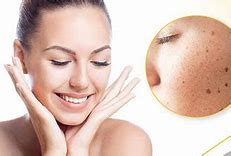
Your body’s largest organ deserves regular check-ups to catch any abnormalities early. Skin cancer screening involves evaluating moles or lesions for precancerous changes that could lead to melanoma or other types of cancer.
.The purpose behind it includes early detection which saves lives thus every individual should get screened regularly especially when there’s family history involved."
WARTS
An infection caused by human papillomavirus (HPV), warts present as benign growths on the skin often appearing on hands and feet. While they are not usually harmful, they can be bothersome aesthetically and cause discomfort if located in friction-prone areas.
ROSACEA
This chronic inflammatory disorder primarily affects the facial skin leading to flushing and persistent redness. Understanding rosacea helps in managing its symptoms effectively and preventing flare-ups that could lead to discomfort or embarrassment.
- Main symptoms: Facial redness resembling a blush or sunburn; noticeable blood vessels beneath the skin surface;
ACNE
This common skin condition results from clogged pores due to excess oil production and dead skin cells. Acne typically affects adolescents but can persist into adulthood. Early intervention is key to preventing potential scarring.
- Symptoms: Presence of pimples, blackheads, whiteheads mainly on the face, back, or shoulders; redness and inflammation around affected areas.
- Causes: Hormonal changes during puberty; certain medications or dietary factors may exacerbate conditions.
- Diagnosis: Evaluation based on clinical appearance; rarely requires laboratory tests unless an underlying condition is suspected.
- Treatment options: Over-the-counter topical agents like benzoyl peroxide or salicylic acid; prescription medications including retinoids and antibiotics for more severe cases.
A comprehensive approach tailored to individual needs supports effective management of acne over time.
PSORIASIS
This chronic autoimmune condition leads to rapid skin cell proliferation, resulting in thick red patches covered with silvery scales. Psoriasis can significantly impact a person's emotional well-being due to its visible nature. Understanding the condition is vital for effective management.
- Symptoms: Red patches of skin covered with thick scales; dry, cracked skin that may bleed; itching or burning sensations.
- Causes: A combination of genetic predisposition and immune system dysfunction triggering inflammation.
- Diagnosis: Diagnosis is primarily through physical examination; sometimes a biopsy is performed for confirmation.
- Treatment strategies: Topical treatments like corticosteroids or vitamin D analogues; phototherapy and systemic medications for more severe cases.
A personalized treatment plan can improve the quality of life for those dealing with psoriasis significantly.
ECZEMA
Eczema, also known as atopic dermatitis, is a chronic inflammatory skin condition characterized by dry, itchy, and inflamed skin. It can affect individuals of any age but commonly starts in childhood. Although it is not contagious, managing its symptoms effectively is crucial for improving quality of life.
- Symptoms: Dry, red patches on the skin; intense itching; thickened or scaly skin.
- Causes: Genetic factors combined with environmental triggers such as allergens, irritants, and stress.
- Diagnosis: Typically diagnosed based on physical examination and patient history; may include patch testing to identify allergens.
- Treatment options: Use of emollients and topical corticosteroids to alleviate symptoms; antihistamines may help reduce itching.
- Management: Identifying and avoiding triggers; regular moisturizing is crucial to prevent flare-ups.
With appropriate treatment strategies in place, many individuals can manage their eczema effectively and enjoy healthier skin.
SKIN PIGMENTATION TREATMENT
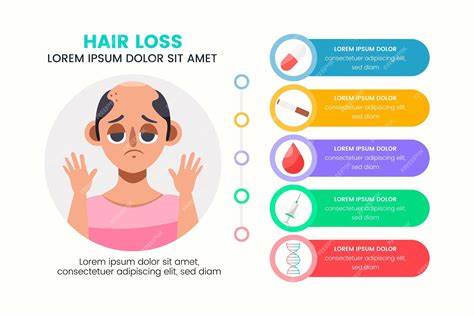
HAIR LOSS TREATMENT
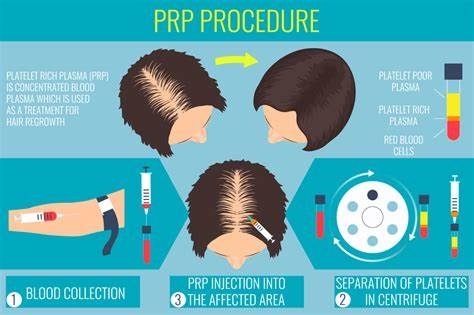
PRP FOR HAIR LOSS