
Dr Rahul Gupta
About Me
Dr Rahul Gupta
MBBS
General Physician
10 Years Experience
Biography
My Clinic
OPD Hours
| Monday | Morning | 10:00 AM | - | 02:00 PM |
| Evening | 06:00 PM | - | 09:00 PM | |
| Tuesday | Morning | 10:00 AM | - | 02:00 PM |
| Evening | 06:00 PM | - | 09:00 PM | |
| Wednesday | Morning | 10:00 AM | - | 02:00 PM |
| Evening | 06:00 PM | - | 09:00 PM | |
| Thursday | Morning | 10:00 AM | - | 02:00 PM |
| Evening | 06:00 PM | - | 09:00 PM | |
| Friday | Morning | 10:00 AM | - | 02:00 PM |
| Evening | 06:00 PM | - | 09:00 PM | |
| Saturday | Morning | 10:00 AM | - | 02:00 PM |
| Evening | 06:00 PM | - | 09:00 PM | |
| Sunday | Morning | 10:00 AM | - | 02:00 PM |
| Evening | 06:00 PM | - | 09:00 PM |
Treatments
Specialised care and treatments offered
THYROID DISORDERS
The thyroid gland plays a crucial role in metabolism regulation through hormone production; imbalances may lead either hyperthyroidism or hypothyroidism impacting energy levels bodily functions overall health seriously over time without proper intervention .
- Symptoms : Signs variate between conditions – hypothyroidism leads weight gain fatigue cold intolerance difficulty concentrating ; hyperthyroidism causes unintentional weight loss increased sweating anxiety restlessness trouble sleeping .
- Causes : Autoimmune diseases iodine deficiencies stress environmental toxins contribute significantly disorder evolvement impacting thyroid homeostasis resulting widespread systemic consequences needing attention .
- Diagnosis : Simple blood tests measuring Thyroid Stimulating Hormone Free T4 confirm presence underlying issues prompting further exploration evaluating functional abilities’ effects monitored regularly thereafter.
- Treatment Options : Hormonal therapy lifestyle modifications nutrition counseling assist restoring balance ultimately enhancing vitality returning individuals normalcy improving overall functionality mental clarity engagement personal endeavors fulfilling ambitions once again . < / li />< l i/>< s tr ong >>What To Expect:
-
Patients undergo continuous evaluations ensuring appropriate adjustments made enhancing therapeutic efficacy responding positively experienced fluctuations requiring additional interventions adjusting doses accordingly facilitating optimized well-being aligned life goals accurately taking charge personal pathways sustainably moving forward confidently participating actively enjoying vibrant fulfilling lifestyles reaping rewards gained from efforts invested collectively strengthening foundations future success stories written together collaboratively advancing knowledge surrounding each step taken reciprocally nurturing holistic perspectives yielding lasting benefits shared relationships trusted practitioners strive improving outcomes endlessly through diverse meaningful interactions enriching experiences connecting hearts minds worlds around us completely transforming lives altogether! < br/>
Catching thyroid disorders early allows you engage proactive measures safeguarding future preserving essential elements within supporting thriving lifestyles truly realizing fullest potential through tangible progress made alongside compassionate guidance attentive listening improving overall wellness effortlessly surpassed expectations entirely!
GASTROESOPHAGEAL REFLUX DISEASE (GERD)

This chronic digestive condition occurs when stomach acid frequently flows back into the esophagus. Understanding GERD is crucial for effective symptom management as it affects day-to-day comfort significantly when left unaddressed.
- Symptoms : Individuals often report heartburn after meals or when lying down along with regurgitation of food or sour liquid into the mouth.
- Causes : Risk factors include obesity, pregnancy hormonal changes that affect esophageal function leading up to relaxation of lower esophageal sphincter muscle tension triggering reflux episodes.
- Diagnosis : Healthcare professionals typically rely on symptom history alongside endoscopy procedures imaging studies like barium swallow tests aid confirmation diagnoses.
- Treatment Options : Most treatments entail lifestyle changes dietary alterations reducing caffeine intake alongside antacids medications antihistamines Proton Pump Inhibitors manage symptoms effectively over time .
- What To Expect : Regular medical follow-ups ensure optimal medication adjustment reflecting patient progress altogether maintaining symptom control enhancement quality daily life increasing awareness prevention strategies going forwards .
A comprehensive approach towards understanding managing GERD fosters greater resilience thus enhances individual wellbeing encompassing long-term solutions skilled practitioners provide reassurance guidance throughout treatment journeys across prevention measures paving brighter paths healthier futures .
HYPERLIPIDEMIA (HIGH CHOLESTEROL)

Hyperlipidemia refers to elevated levels of lipids (fats) in the bloodstream which can lead to heart disease if not managed properly. Regular screenings are key for early identification and intervention strategies.
- Symptoms: Hyperlipidemia often presents no symptoms itself; however, it increases the risk of heart attacks or strokes evidenced by chest pain or sudden weakness/numbness in limbs.
- Causes: High cholesterol can result from poor dietary choices high in saturated fats and trans fats combined with lack of physical activity or genetic factors influencing lipid metabolism.
- Diagnosis: A blood test called a lipid panel measures total cholesterol levels including LDL (bad cholesterol) and HDL (good cholesterol).
ASTHMA MANAGEMENT
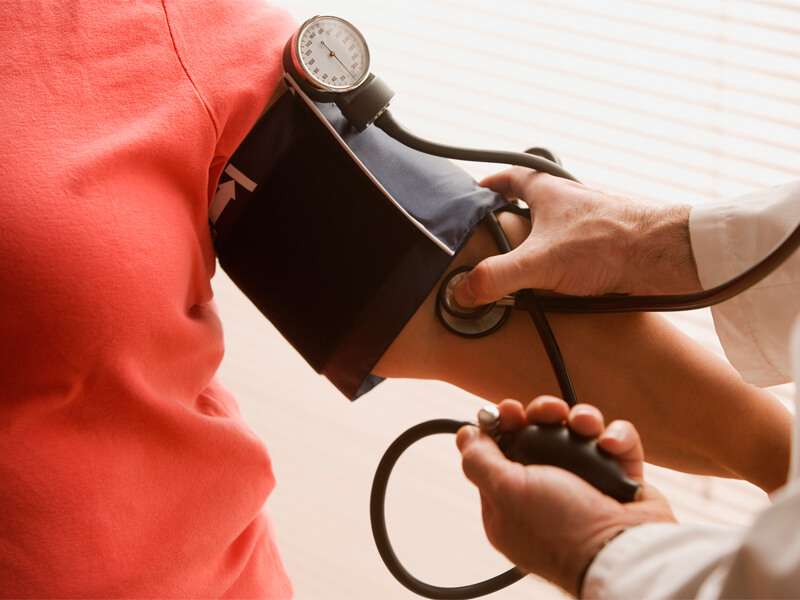
Asthma is a chronic respiratory condition characterized by inflammation and narrowing of the airways. Understanding asthma triggers and symptoms is crucial for effective management of this common issue.
- Symptoms: Common signs include wheezing, coughing (especially at night), shortness of breath, and chest tightness during physical activity or when exposed to allergens.
- Causes: Asthma can be triggered by environmental factors such as pollen, dust mites, smoke, exercise, and certain weather conditions. Genetic predisposition also plays a significant role.
- Diagnosis: The diagnosis involves reviewing medical history and performing breathing tests like spirometry to measure lung function.
- Treatment Options: Management typically includes inhalers containing bronchodilators or corticosteroids along with lifestyle changes aimed at avoiding triggers.
- What to Expect: Patients need to work closely with their healthcare providers to develop an action plan that includes symptom monitoring and prompt response to asthma attacks.
This structured approach helps in maintaining control over the condition effectively.
DIABETES MANAGEMENT

Managing diabetes involves a comprehensive approach to keep blood sugar levels within a healthy range. This chronic condition can have long-lasting effects on different organ systems, making consistent care vital for patients.
- Symptoms: Patients may experience increased thirst, frequent urination, extreme fatigue, and blurred vision.
- Causes: Factors such as obesity, genetic predisposition, and physical inactivity play significant roles in the development of diabetes.
- Diagnosis: Blood tests measuring glucose levels are used for diagnosing diabetes. HbA1c tests indicate average blood sugar levels over a few months.
- Treatment Options: Treatment generally includes dietary adjustments, regular physical activity, insulin therapy for Type 1 diabetes, or oral medications for Type 2 diabetes.
- What to Expect: Self-monitoring of blood sugar levels is critical in managing diabetes effectively along with regular healthcare provider visits for adjustments in treatment plans.
A proactive attitude towards management can significantly improve quality of life for those living with diabetes.
HYPERTENSION
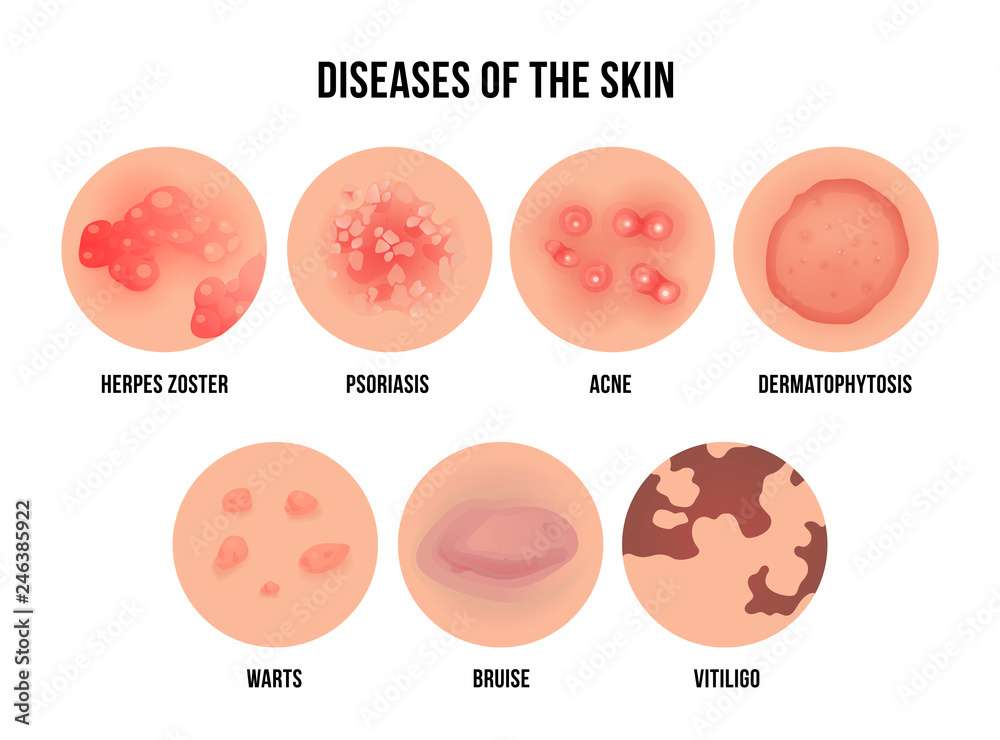
Hypertension, commonly known as high blood pressure, is a serious health condition that can lead to various complications if left untreated. It often develops over many years and usually has no obvious symptoms, making regular monitoring essential.
- Symptoms: Many patients may experience headaches, shortness of breath, or nosebleeds; however, many will not have any noticeable signs.
- Causes: Factors contributing to hypertension include genetics, unhealthy diet, sedentary lifestyle, and excessive alcohol consumption.
- Diagnosis: Blood pressure readings taken during routine examinations help diagnose this condition. Additional tests may be ordered to assess overall heart health.
- Treatment Options: Treatment might involve lifestyle changes like diet modifications and exercise, as well as medications such as diuretics or ACE inhibitors.
- What to Expect: Managing hypertension requires ongoing monitoring and adjustments to treatment plans based on response and any developing health issues.
Early detection and management are crucial in preventing serious health complications associated with hypertension.