
Dr Rahul Gupta Ne
About Me
Dr Rahul Gupta Ne
MD
Oncologist
10 Years Experience
Biography
My Clinic
OPD Hours
| Monday | Morning | 10:00 AM | - | 02:00 PM |
| Evening | 06:00 PM | - | 09:00 PM | |
| Tuesday | Morning | 10:00 AM | - | 02:00 PM |
| Evening | 06:00 PM | - | 09:00 PM | |
| Wednesday | Morning | 10:00 AM | - | 02:00 PM |
| Evening | 06:00 PM | - | 09:00 PM | |
| Thursday | Morning | 10:00 AM | - | 02:00 PM |
| Evening | 06:00 PM | - | 09:00 PM | |
| Friday | Morning | 10:00 AM | - | 02:00 PM |
| Evening | 06:00 PM | - | 09:00 PM | |
| Saturday | Morning | 10:00 AM | - | 02:00 PM |
| Evening | 06:00 PM | - | 09:00 PM | |
| Sunday | Morning | 10:00 AM | - | 02:00 PM |
| Evening | 06:00 PM | - | 09:00 PM |
Treatments
Specialised care and treatments offered
PROSTATE CANCER SCREENING

Prostate cancer screening saves lives by detecting abnormalities before symptoms develop. Understanding when and how often to get screened is crucial for men over 50 or those with increased risk factors.
- The symptoms might not manifest until later stages but could include difficulty urinating or blood in urine.
The benefits of prostate cancer screenings often outweigh potential risks when individualized appropriately!
LUNG CANCER DIAGNOSIS
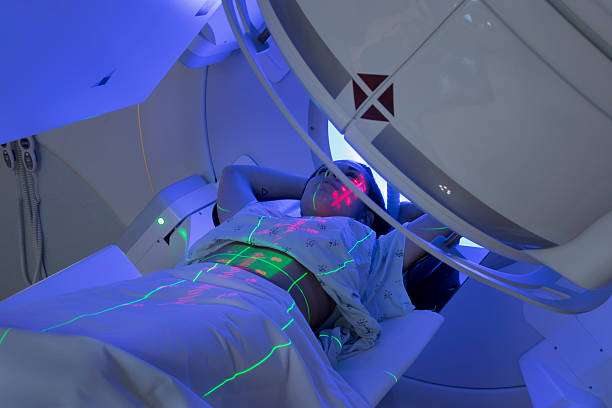
Lung cancer remains one of the most common cancers globally. Effective diagnosis is critical for developing an appropriate treatment strategy early in the disease's progression.
- Symptoms: Persistent cough, chest pain, breathlessness, and coughing up blood may indicate lung cancer but can also arise from other conditions.
- Diagnosis: Techniques include imaging tests such as X-rays and CT scans followed by a biopsy if suspicious areas are found.
- Treatment options: Depending on the stage, treatments may involve surgery, chemotherapy, targeted therapies, or immunotherapy.
- Management strategies: Tailored plans may incorporate lifestyle changes and supportive care for symptom management post-diagnosis.
Early intervention significantly improves prognoses; hence risk awareness is vital for timely diagnosis.
COLONOSCOPY FOR COLORECTAL CANCER
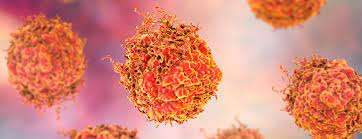
A colonoscopy is a key procedure used to screen for colorectal cancer by examining the inner lining of the large intestine. It allows for both detection and potential removal of polyps.
- Symptoms: Warning signs include changes in bowel habits, blood in stool, abdominal discomfort, or unexplained weight loss.
- Diagnosis: The procedure involves using a flexible tube with a camera to visualize potential issues directly.
- Treatment: If polyps are found during the colonoscopy, they can often be removed on the spot; further treatments depend on findings.
- Management: Regular screenings can help manage risks especially after age 50 or with a family history of colorectal cancer.
- What to expect: Patients may experience mild cramping post-procedure but most return to normal activities quickly.
Your doctor will guide you on when to begin screening based on your individual risk factors.
BREAST CANCER SCREENING
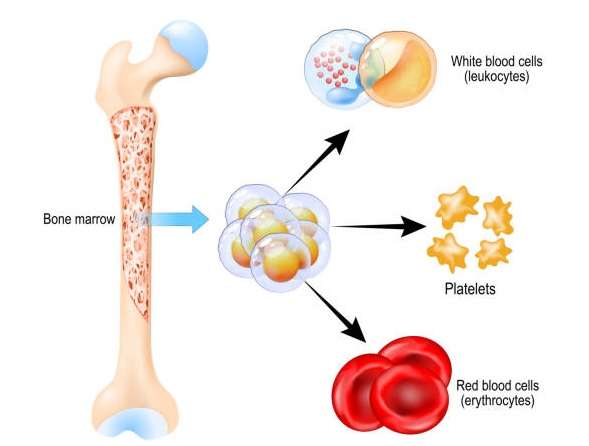
Regular screening is crucial for the early detection of breast cancer, a leading cause of cancer-related deaths among women. Initiating screenings at the right age can significantly improve treatment outcomes.
- Symptoms: Early stages often show no symptoms; lumps or changes in breast shape may appear later.
- Diagnosis: Includes clinical breast exams, mammograms, and sometimes biopsies if abnormalities are found.
- Treatment: Options vary from surgery, radiation therapy, chemotherapy to hormone therapy depending on the stage.
- Management: Follow-up care and regular check-ups are essential for monitoring recovery and preventing recurrence.
- Expectations: Early diagnosis generally leads to a better prognosis and more treatment options available.
It's essential to discuss personal risk factors with your healthcare provider to establish an appropriate screening schedule.