
Dr Rahul Jain
About Me
Dr Rahul Jain
Internal Medicine
Biography
My Clinic
OPD Hours
| Monday | Morning | 10:00 AM | - | 02:00 PM |
| Evening | 06:00 PM | - | 09:00 PM | |
| Tuesday | Morning | 10:00 AM | - | 02:00 PM |
| Evening | 06:00 PM | - | 09:00 PM | |
| Wednesday | Morning | 10:00 AM | - | 02:00 PM |
| Evening | 06:00 PM | - | 09:00 PM | |
| Thursday | Morning | 10:00 AM | - | 02:00 PM |
| Evening | 06:00 PM | - | 09:00 PM | |
| Friday | Morning | 10:00 AM | - | 02:00 PM |
| Evening | 06:00 PM | - | 09:00 PM | |
| Saturday | Morning | 10:00 AM | - | 02:00 PM |
| Evening | 06:00 PM | - | 09:00 PM | |
| Sunday | Morning | 10:00 AM | - | 02:00 PM |
| Evening | 06:00 PM | - | 09:00 PM |
Treatments
Specialised care and treatments offered
ANEMIA EVALUATION
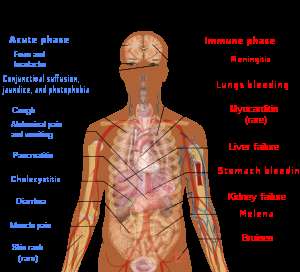
Anemia signifies a decrease in hemoglobin count affecting oxygen transport in the body. Understanding its types aids in determining appropriate interventions based on underlying causes attributed across various populations
- Symptoms can manifest as fatigue, weakness; pallor indicating low iron stores could also present visible signs externally across skin tones
- Blood tests including complete blood counts (CBC) help diagnose anemia types; iron studies assist identifying deficiencies specifically related through dietary intake patterns assessed more broadly too
- Management approaches might involve iron supplementation alongside educational guidance reflecting nutrition-focused diets enriched naturally improving recovery rates significantly after systematic plans applied consistently over time based personal observation regularly noticed outcomes achieved through close monitoring along pathways discussed initially together initially planned rationally compiled though shared collectively advancing results seen within practice scenarios involved carefully targeting each situation personalized toward current status
Collaborative efforts amongst specialists provide holistic understanding within individualized perspectives fostering stronger patient confidence long term seeing gradual transformations occur actively maintained thusly promising healthier journeys undertaken moving forward leading happier experiences overall enjoyed fluently throughout engagement processed jointly engaged fulfilling interactions continuously refined actively shaped collaboratively safeguarding optimum health overall experiencing firsthand worn transformations effectively witnessed evolving dynamically illustrated paving way success understood duly noted further enriching discussions transitioned collaboratively exploring coherence directed derived enlightening impact cultivating sense empowerment focused entirely paving groundwork solidifying direction optimally sustaining reality guiding further futures created collectively building trust formed continually onward threaded seamlessly interwoven identified challenges innovatively resolved successfully navigating myriad filled uncertainties accompanying incremental progress envisaged taking root sensibly growing abundantly once firmly established proving potential reliably observed reshaping realities affirmed confidently transitioning ambition pursued unfalteringly renewing hope thriving energetically projected firmly toward favorable outcomes sought subsequently achieved cooperatively chartering paths otherwise untraveled illustrating resilience endured evolve cultivated assuredly seen reflected genuinely embraced contributing appreciably evolving whole enriched visualizing aspirations nurtured lovingly fundamentally embracing remarkable journey committed persistence vowed cultivated meaningfully inspiring yet untold achievements altogether awaiting discovery .
GASTROESOPHAGEAL REFLUX DISEASE (GERD) TREATMENT
This chronic digestive issue occurs when stomach acid frequently flows back into the esophagus. Understanding GERD is vital for effective treatment aimed at symptom reduction and improved quality of life
- Main indicators include persistent heartburn, regurgitation of food or sour liquid, difficulty swallowing, and chronic cough.
- The diagnosis may be confirmed through endoscopy procedures or pH monitoring which assesses acid reflux severity overall.
- Treatment generally involves lifestyle modifications like avoiding trigger foods along with antacids or proton pump inhibitors prescribed based on symptom severity
- Regular consultations help tailor ongoing treatments ensuring symptom control while managing potential complications arising from GERD's chronic nature
Comprehensive care focuses on relieving discomfort caused by GERD while promoting healthy dietary practices supported by medical interventions where appropriate
CHOLESTEROL MANAGEMENT
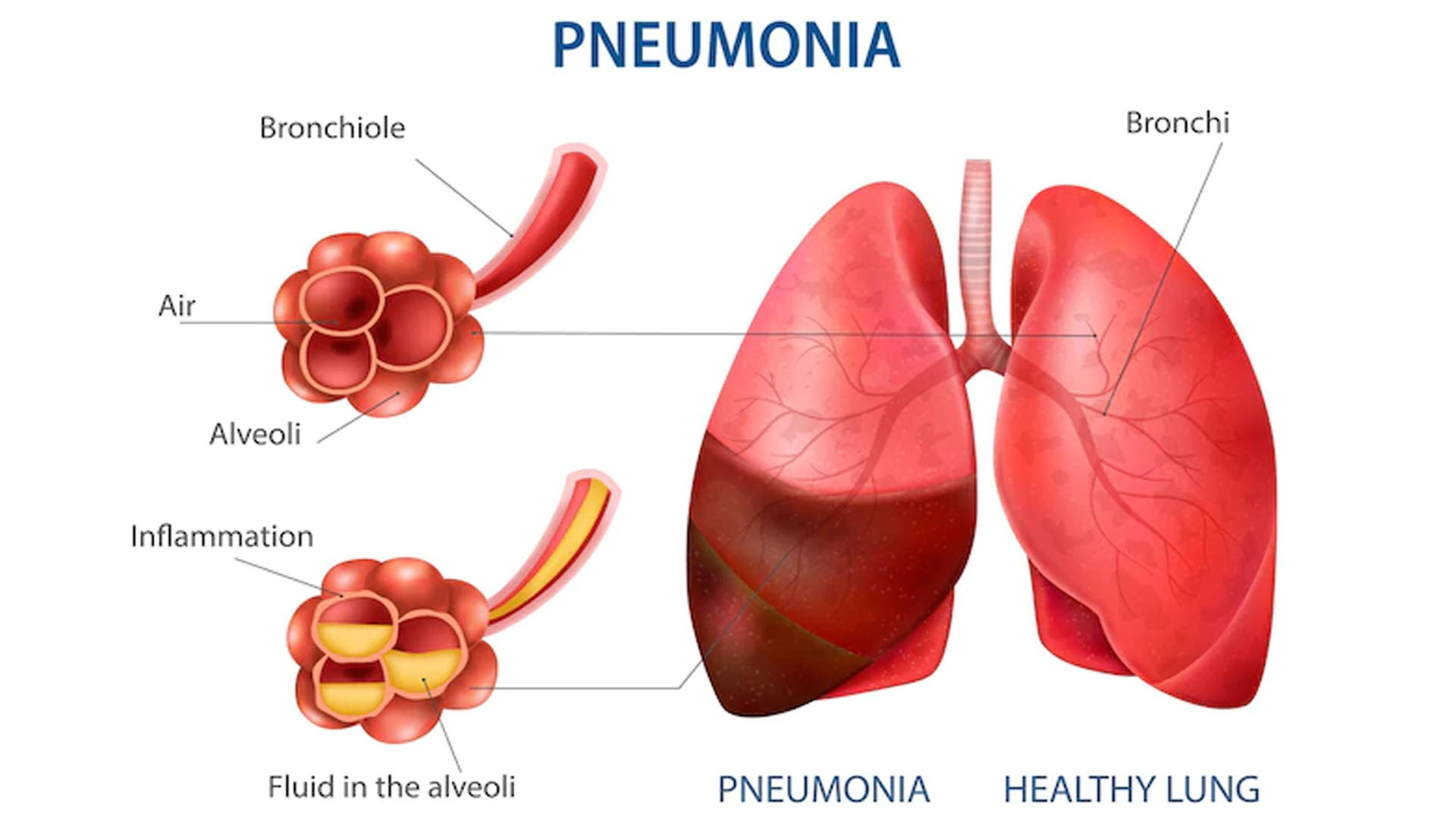
High cholesterol levels can lead to cardiovascular diseases if not managed appropriately. Awareness around cholesterol levels is critical for heart health maintenance throughout life stages.
- The most common signs associated with high cholesterol are often invisible; hence routine screenings are recommended over direct symptom assessment.
- Blood tests known as lipid panels measure total cholesterol and distinguish between LDL (bad) and HDL (good) cholesterol levels to assess cardiovascular risk better.
- Treatment strategies might include lifestyle changes such as diet modification rich in omega-3 fatty acids along with exercise regimes tailored to individual needs; statin medications could also be prescribed when necessary.
- Catching high cholesterol early allows individuals to make preventive choices that significantly decrease the likelihood of serious heart conditions later on
The goal is to achieve balanced cholesterol levels contributing positively toward long-term cardiovascular health outcomes for patients at risk
ASTHMA MANAGEMENT
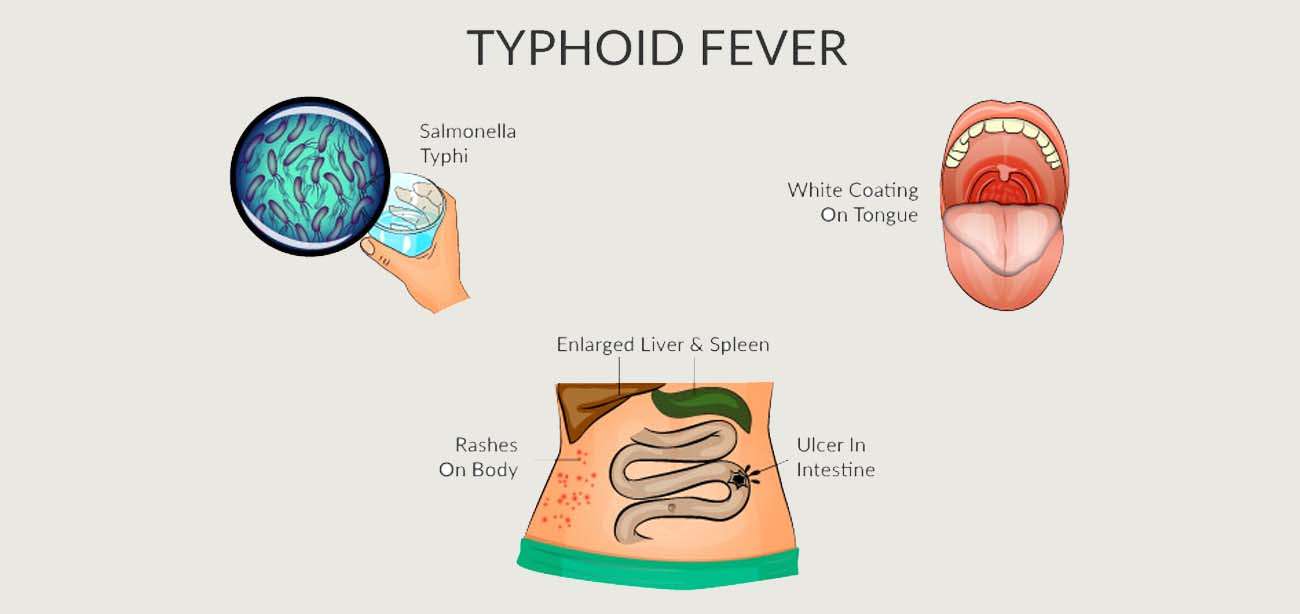
Asthma is a chronic respiratory condition characterized by airway inflammation and obstruction. Proper management is essential to ensure patients can lead active lives without frequent symptoms or attacks.
- Typical signs of asthma may include wheezing, coughing, chest tightness, or shortness of breath during physical activities or at night.
- A diagnosis usually involves lung function tests, such as spirometry, and a review of medical history and symptoms.
- Treatment options focus on controlling inflammation with inhalers containing corticosteroids or bronchodilators that relax muscles around airways.
- Identifying triggers—such as allergens or pollution—is crucial for effective management strategies and minimizing flare-ups.
- An asthma action plan developed in consultation with healthcare providers ensures readiness in case of worsening symptoms.
This comprehensive approach aims to optimize lung function and enhance overall well-being for asthma patients.
DIABETES MONITORING
Diabetes is a chronic condition that impacts how your body processes glucose. Monitoring is vital for managing diabetes effectively and preventing complications that may arise from uncontrolled blood sugar levels.
- Symptoms of diabetes can include increased thirst, frequent urination, fatigue, and blurred vision.
- Diagnosis is often through fasting blood glucose tests or HbA1c testing which indicates average blood sugar levels over time.
- Management strategies typically involve dietary adjustments, regular physical activity, and possibly medication or insulin therapy depending on the type of diabetes.
- Continual assessment allows for personalized treatment plans aimed at maintaining optimal glucose control.
- Lifestyle changes combined with tracking can lead to improved outcomes for individuals living with diabetes.
A proactive approach enables those affected by diabetes to live healthier lives while reducing risks associated with the condition.
HYPERTENSION MANAGEMENT
Hypertension, or high blood pressure, is a common condition that can lead to serious health complications if left untreated. It often develops over many years without noticeable symptoms, making regular monitoring crucial.
- Common symptoms of unmanaged hypertension include headaches, shortness of breath, and nosebleeds.
- To diagnose high blood pressure, healthcare providers typically perform routine blood pressure measurements during check-ups.
- Treatment options may include lifestyle modifications such as a balanced diet and exercise, alongside medications like diuretics or ACE inhibitors.
- Regular follow-ups are essential to monitor blood pressure levels and adjust treatment plans as needed.
- Aiming for control of blood pressure can significantly reduce the risk of heart disease and stroke.
Effective management helps patients maintain their quality of life by preventing potential complications associated with this condition.