
Dr Rahul Mathur
About Me
Dr Rahul Mathur
MBBS
General Physician
10 Years Experience
Biography
My Clinic
OPD Hours
| Monday | Morning | 10:00 AM | - | 02:00 PM |
| Evening | 06:00 PM | - | 09:00 PM | |
| Tuesday | Morning | 10:00 AM | - | 02:00 PM |
| Evening | 06:00 PM | - | 09:00 PM | |
| Wednesday | Morning | 10:00 AM | - | 02:00 PM |
| Evening | 06:00 PM | - | 09:00 PM | |
| Thursday | Morning | 10:00 AM | - | 02:00 PM |
| Evening | 06:00 PM | - | 09:00 PM | |
| Friday | Morning | 10:00 AM | - | 02:00 PM |
| Evening | 06:00 PM | - | 09:00 PM | |
| Saturday | Morning | 10:00 AM | - | 02:00 PM |
| Evening | 06:00 PM | - | 09:00 PM | |
| Sunday | Morning | 10:00 AM | - | 02:00 PM |
| Evening | 06:00 PM | - | 09:00 PM |
Treatments
Specialised care and treatments offered
SEASONAL ALLERGIES
Seasonal allergies occur when your immune system overreacts to allergens during specific times of the year. Pollens from trees, grasses, and weeds are common triggers that cause discomfort in susceptible individuals during particular seasons.
- Common symptoms are sneezing , itchy eyes , runny nose , nasal congestion , cough , and fatigue .
- Diagnosis often involves allergy testing through skin prick tests or blood tests .
- Treatment options vary from antihistamines , nasal corticosteroids , decongestants , to immunotherapy for long term relief .
- Identifying specific allergens through testing guides personalized treatment plans .
- Keeping windows closed during high pollen counts along with wearing sunglasses outdoors can help limit exposure .
Individuals experiencing seasonal allergies have various treatment options available so they can enjoy the changing seasons without suffering from allergy reactions .
ANXIETY DISORDERS

Anxiety disorders encompass various mental health conditions characterized by excessive fear or anxiety that interferes with daily activities. They are among the most common mental health issues faced today across all age groups.
- Key symptoms include restlessness, rapid heartbeat, excessive worrying, and avoidance behavior towards certain situations that trigger anxiety attacks.
- A thorough clinical evaluation including patient history helps in diagnosing anxiety disorders effectively; sometimes questionnaires are used as well for screening purposes.
GASTROESOPHAGEAL REFLUX DISEASE (GERD)

Gastroesophageal reflux disease (GERD) occurs when stomach acid frequently flows back into the esophagus. This backwash irritates the lining of the esophagus leading to discomfort and potential complications if left untreated.
- Main symptoms include heartburn and regurgitation but may also create feelings of nausea after meals or difficulty swallowing.
- The diagnosis often involves a combination of symptom assessment alongside endoscopy if necessary for severe cases.
- Lifestyle modifications such as dietary changes and weight loss are often recommended alongside medications like proton pump inhibitors for symptom relief.
- Surgery may be considered in refractory cases where other treatments have not been effective in controlling symptoms.
Effective management of GERD enables individuals to significantly reduce discomfort while improving their overall quality of life with simple lifestyle adjustments combined with medical therapies as needed.
ASTHMA
Asthma is a respiratory condition affecting the airways that can cause wheezing, shortness of breath, chest tightness, and coughing. It can be triggered by allergens or environmental irritants.
- Common triggers include pollen, dust mites, smoke, and exercise in cold air.
- The diagnosis may involve breathing tests (spirometry) alongside symptom evaluations.
- Treatment commonly includes inhalers for quick relief (bronchodilators) and daily maintenance medications (inhaled corticosteroids).
- Pulmonary rehabilitation can also be beneficial in managing severe cases of asthma effectively.
- A personalized asthma action plan helps individuals understand how to control their symptoms during an attack.
With appropriate medication and lifestyle adjustments, individuals with asthma can lead active lives without limitations from their condition.
DIABETES MANAGEMENT

Diabetes is a chronic illness characterized by high blood sugar levels due to insufficient insulin production or ineffective insulin use. Understanding diabetes management is crucial for long-term health and quality of life.
- Symptoms of diabetes include increased thirst, frequent urination, extreme fatigue, and blurred vision.
- Diagnosis often involves fasting blood sugar tests and glucose tolerance tests.
- Treatment strategies incorporate diet changes, physical activity, glucose monitoring, and potentially insulin therapy or oral medications.
- Education on recognizing hypo- or hyperglycemia is vital for effective self-management.
- Regular follow-ups ensure proper management and adjustment of treatment plans based on individual needs.
Evolving your lifestyle around diabetes management empowers you to live well while managing this condition.
HYPERTENSION

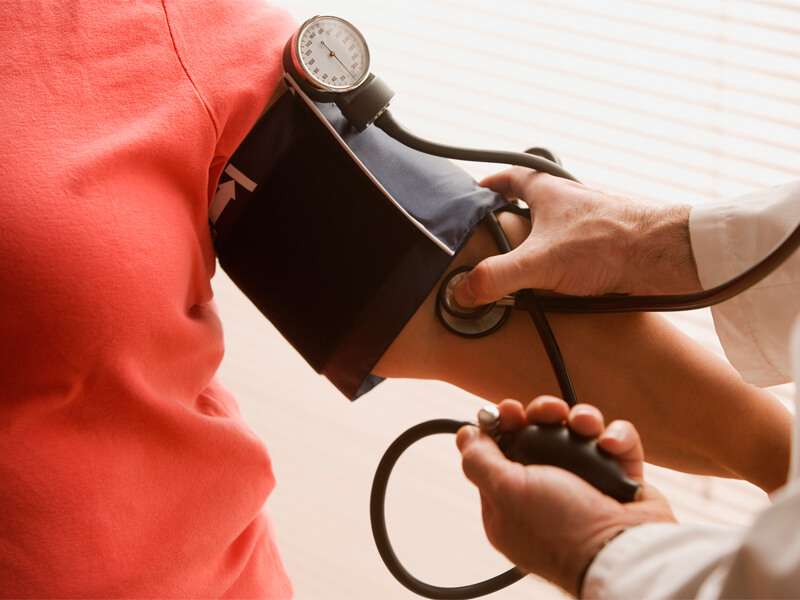
Hypertension, or high blood pressure, is a common condition that often goes unnoticed until it causes more significant health issues. It can affect anyone and is frequently referred to as a 'silent killer' due to its lack of symptoms.
- Common symptoms may include headaches, dizziness, or nosebleeds, but many patients remain asymptomatic.
- Diagnosis typically involves measuring blood pressure readings over several visits.
- Treatment includes lifestyle changes like diet and exercise, along with medications such as diuretics or ACE inhibitors.
- Regular monitoring is essential to manage the condition effectively.
- It's important to know that uncontrolled hypertension can lead to serious complications such as heart disease or stroke.
If diagnosed early and managed properly, individuals with hypertension can lead healthy lives by maintaining a balanced approach to treatment.