
Dr Rahul Shah
About Me
Dr Rahul Shah
General Physician
Biography
My Clinic
OPD Hours
| Tuesday | Morning | 10:00 AM | - | 02:00 PM |
| Evening | 06:00 PM | - | 09:00 PM | |
| Wednesday | Morning | 10:00 AM | - | 02:00 PM |
| Evening | 06:00 PM | - | 09:00 PM | |
| Thursday | Morning | 10:00 AM | - | 02:00 PM |
| Evening | 06:00 PM | - | 09:00 PM | |
| Friday | Morning | 10:00 AM | - | 02:00 PM |
| Evening | 06:00 PM | - | 09:00 PM | |
| Saturday | Morning | 10:00 AM | - | 02:00 PM |
| Evening | 06:00 PM | - | 09:00 PM | |
| Sunday | Morning | 10:00 AM | - | 02:00 PM |
| Evening | 06:00 PM | - | 09:00 PM | |
| Thursday | Morning | 10:00 AM | - | 02:00 PM |
| Evening | 06:00 PM | - | 09:00 PM |
Treatments
Specialised care and treatments offered
GASTROESOPHAGEAL REFLUX DISEASE (GERD)
This common digestive disorder occurs when stomach acid frequently flows back into the esophagus causing irritation. GERD can lead not only uncomfortable symptoms but also long-lasting damage if not treated properly over time!
- Symptoms: Key indicators include persistent heartburn , regurgitation incidents post meals , as well difficulty swallowing sometimes arising too .
- Causes: Factors contributing towards development consist mainly of obesity levels & pregnancy prolonged use NSAIDs certain diets rich fried foods citrus chances enhance occurrences reflux episodes .
- Diagnostic Evaluation: Endoscopic examinations help visualize lining esophagus while also identifying potential inflammation ulcers present indicating severity case being faced by patient respectively !
- Treatment Protocols : Lifestyle modifications coupled alongside prescription medications reduce acidity provide relief ultimately enhancing quality everyday life experienced post meal ingestion periods too! Please consult your healthcare professional regarding specific recommendations tailored fit unique individual requirements deemed necessary etc though!
THYROID DISORDERS

The thyroid gland plays a pivotal role in metabolism regulation. Disorders related to thyroid function are quite common and can affect energy levels significantly if left untreated.
- Symptoms: Individuals with hypothyroidism often experience fatigue , weight gain , and sensitivity towards cold temperatures while hyperthyroidism could lead towards weight loss alongside increased heart rate .
- Causes: Genetic predisposition along with autoimmune diseases like Graves’ disease or Hashimoto's thyroiditis could trigger these disorders .
- Diagnostic Tests: Tests measuring thyroid hormone levels such as TSH (Thyroid Stimulating Hormone) assist doctors in determining any abnormalities present .
- Management Approaches: Depending upon whether one suffers from underactive or overactive thyroids , treatment strategies range from hormone replacement therapy , medication adjustment , possible surgery if needed respectively .
Recognizing early signs leads proactive management ensuring optimal functioning throughout daily routines without limitations imposed by hormonal imbalances .
CHOLESTEROL MANAGEMENT
Lipid disorders are conditions where there’s an imbalance of cholesterol levels in the body. High cholesterol levels can significantly increase the risk of heart disease among other complications if not addressed timely.
- Main Symptoms: Often asymptomatic initially; however signs such as chest pain may occur due to arterial blockages caused by plaque buildup over time.
- Causal Factors: Factors such as poor diet high in saturated fats and trans fats along with lack of physical activity contribute heavily towards this disorder
- Diagnosis : Blood tests known as lipid panels are used regularly to determine cholesterol levels alongside other factors including family history .
- Treatment Options : Lifestyle modifications like dietary changes aimed at lowering bad cholesterol are essential interventions; medications such as statins may be prescribed based on individual needs .
Regular screening is key since managing cholesterol levels proactively can result in improved long-term health outcomes .
ASTHMA CARE
Asthma is a respiratory condition that causes the airways to become inflamed and narrow, leading to difficulty breathing. It's vital for those with asthma to recognize triggers and effective management strategies.
- Symptoms: Common symptoms include wheezing, shortness of breath, chest tightness, and persistent coughing.
- Causative Factors: Triggers may include allergens like pollen or pet dander, environmental pollutants, cold air exposure, or respiratory infections.
- Diagnosis Procedures: Diagnosis typically involves pulmonary function tests which assess lung performance along with a thorough medical history evaluation.
- Treatment Methods: Treatment strategies can involve inhaled corticosteroids for inflammation control and bronchodilators for immediate relief during an asthma attack.
A well-structured action plan helps manage symptoms effectively and allows individuals with asthma to lead active lives despite their diagnosis.
DIABETES MANAGEMENT

Diabetes is a chronic condition characterized by high levels of sugar (glucose) in the blood. Managing this condition effectively is crucial for maintaining one's quality of life and preventing complications.
- Symptoms: Common symptoms include increased thirst, frequent urination, extreme fatigue, and blurred vision.
- Causes: Type 1 diabetes results from the body's inability to produce insulin, while Type 2 involves resistance to insulin. Factors include genetics and lifestyle choices.
- Diagnosis: Diabetes is diagnosed through fasting blood glucose tests or an oral glucose tolerance test to measure how your body processes sugar.
- Treatment Strategies: Management includes a balanced diet tailored to control blood sugar levels, regular exercise, and possibly insulin therapy or medication depending on the type of diabetes.
- Your Role: Educating yourself about managing diabetes can empower you in daily decision-making that impacts your health positively.
The right management approach can significantly ease the burden of diabetes on daily life.
HYPERTENSION MANAGEMENT
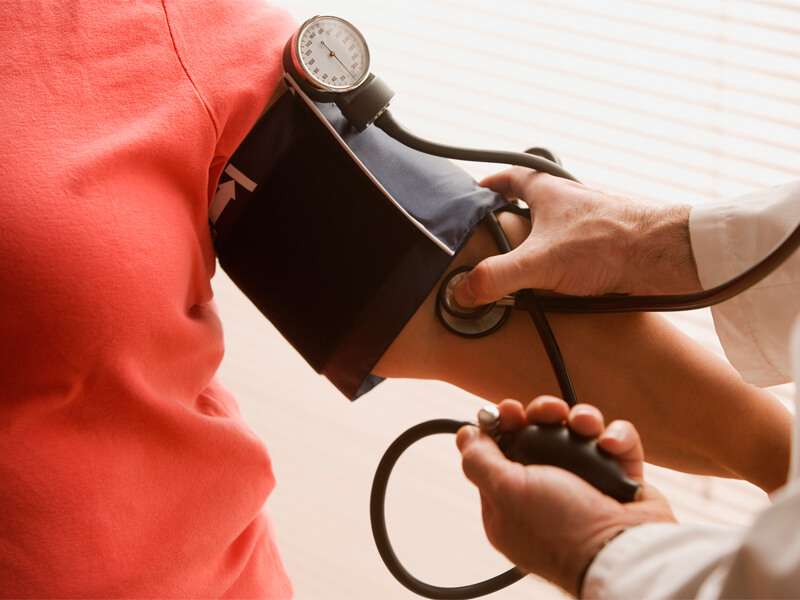
Hypertension, often referred to as high blood pressure, is a common condition that can lead to severe health complications if left unmanaged. This condition may develop silently over time, making regular monitoring essential for early intervention.
- Symptoms: While many individuals may not experience noticeable symptoms, some might report headaches or dizziness during high spikes in blood pressure.
- Causes: Risk factors include genetics, obesity, sedentary lifestyle, excessive salt intake, and chronic stress.
- Diagnosis: Blood pressure measurements are taken at different times to confirm hypertension. Additional tests such as blood tests or electrocardiograms may be done to assess overall health.
- Treatment Options: Management often includes lifestyle changes such as dietary adjustments and physical activity. Medications might also be prescribed if necessary.
- What to Expect: Regular check-ups will help track progress and adjust treatment plans as needed. Understanding how to monitor your own blood pressure at home is also beneficial.
This condition demands attention to prevent complications like heart disease or stroke.