
Dr RAHUL SHARMA,
About Me
Dr RAHUL SHARMA,
Cardiologist
Biography
My Clinic
OPD Hours
| Monday | Morning | 10:00 AM | - | 02:00 PM |
| Evening | 06:00 PM | - | 09:00 PM | |
| Tuesday | Morning | 10:00 AM | - | 02:00 PM |
| Evening | 06:00 PM | - | 09:00 PM | |
| Wednesday | Morning | 10:00 AM | - | 02:00 PM |
| Evening | 06:00 PM | - | 09:00 PM | |
| Thursday | Morning | 10:00 AM | - | 02:00 PM |
| Evening | 06:00 PM | - | 09:00 PM | |
| Friday | Morning | 10:00 AM | - | 02:00 PM |
| Evening | 06:00 PM | - | 09:00 PM | |
| Saturday | Morning | 10:00 AM | - | 02:00 PM |
| Evening | 06:00 PM | - | 09:00 PM | |
| Sunday | Morning | 10:00 AM | - | 02:00 PM |
| Evening | 06:00 PM | - | 09:00 PM |
Treatments
Specialised care and treatments offered
ATRIAL FIBRILLATION MANAGEMENT

Atrial fibrillation (AFib) represents one of the most common types of arrhythmia characterized by irregular heartbeat patterns. Managing this condition requires ongoing evaluation due to its potential complications such as stroke or chronic fatigue symptoms experienced by many affected individuals
- Typical signs consist of rapid heartbeat sensations coupled with shortness of breath; however, some may remain asymptomatic until later effects manifest adversely within overall wellness states.
- Several approaches exist focused mainly around anticoagulation therapy alongside symptom control via rate-rhythm management strategies including lifestyle modifications personalized according tailored assessments performed regularly within clinical settings
- Patients should anticipate periodic monitoring visits providing vital insight regarding effectiveness ensuring that evolving treatment pathways yield desired outcomes over time
Learning about AFib empowers patients towards active participation while minimizing risk factors surrounding future cardiovascular events though comprehensive self-care initiatives endorsed collaboratively between physicians providing holistic support systems available throughout now current journey ahead .
STRESS TESTING
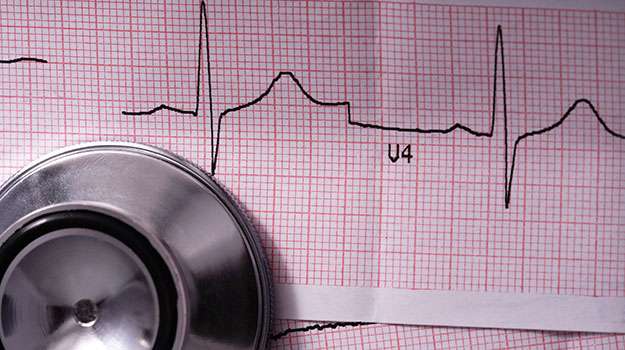
A stress test measures how your heart responds under physical exertion. This evaluation is essential for diagnosing various cardiac conditions by assessing blood flow during increased activity levels.
- The primary symptoms prompting this testing include abnormal chest pain or signs of decreased exercise tolerance such as excessive fatigue or breathlessness upon physical activity.
- Diverse methods exist for conducting these tests—ranging from treadmill assessments to pharmacological stressors—which simulate exercise-like conditions in individuals unable to perform physical activities directly.
- The results help doctors determine if further evaluations are necessary or if treatment adjustments should be considered based on performance levels seen during testing phases.
Understanding cardiovascular response through stress testing plays an integral role in proactive management of heart health and guiding future medical care strategies tailored specifically toward each individual patient’s needs.
CARDIAC CATHETERIZATION
Cardiac catheterization is a diagnostic procedure used to examine how well your heart functions. It can also be therapeutic as it allows doctors to treat certain coronary artery conditions immediately during the procedure itself.
- The procedure may help identify significant blockages by visualizing blood flow through coronary arteries using contrast dye injected via catheterization.
- This technique involves local anesthesia and is typically outpatient; thus, recovery begins shortly after completion.
- If blockages are detected during the test, immediate treatments like angioplasty can often be performed simultaneously for maximal efficiency and minimal patient distress.
This essential procedure yields crucial information about cardiovascular health while offering interventional capabilities when needed most urgently.
HOLTER MONITOR
A Holter monitor is a portable device used to continuously record the heart's electrical activity over 24-48 hours. This monitoring is key for detecting arrhythmias that might not appear during standard testing.
- Common symptoms prompting this test include dizziness, palpitations, or unexplained fainting spells.
- The device captures data through electrodes placed on the chest, and patients are advised to keep a diary of their activities during monitoring.
- If abnormal rhythms are detected, potential treatments include lifestyle changes or medications tailored to the specific condition identified.
- This process helps identify transient issues that would otherwise remain unnoticed in shorter tests.
This valuable tool provides detailed insights into cardiac health over an extended period, aiding timely interventions when necessary.
ECHOCARDIOGRAM
An echocardiogram is a non-invasive test that uses ultrasound waves to create images of the heart. This diagnostic tool helps in assessing heart structure and function, making it invaluable for cardiologists.
- This test aids in identifying structural abnormalities, such as valve issues or congenital defects.
- A healthcare provider will usually recommend this procedure if symptoms like persistent fatigue or palpitations are present.
- No special preparations are required, and it usually lasts about 30-60 minutes.
- The results can guide treatment decisions and monitor existing heart conditions effectively.
Echocardiography is safe and provides critical information without exposing patients to radiation.
CORONARY ANGIOPLASTY
Coronary angioplasty is a minimally invasive procedure aimed at restoring blood flow to the heart. It is frequently performed on patients with narrowed or blocked coronary arteries due to atherosclerosis.
- Symptoms may include chest pain, shortness of breath, and fatigue.
- The diagnosis typically involves electrocardiograms, echocardiograms, or stress tests to assess heart function.
- Treatment options include angioplasty, often supplemented by inserting a stent to keep the artery open.
- Patients can expect minimal recovery time, allowing for a faster return to daily activities.
This effective intervention significantly reduces the risk of heart attacks and improves overall cardiovascular health.