
Dr Rahul Tiwari C
About Me
Dr Rahul Tiwari C
MBBS
Urologists
10 Years Experience
Biography
My Clinic
OPD Hours
| Monday | Morning | 10:00 AM | - | 02:00 PM |
| Evening | 06:00 PM | - | 09:00 PM | |
| Tuesday | Morning | 10:00 AM | - | 02:00 PM |
| Evening | 06:00 PM | - | 09:00 PM | |
| Wednesday | Morning | 10:00 AM | - | 02:00 PM |
| Evening | 06:00 PM | - | 09:00 PM | |
| Thursday | Morning | 10:00 AM | - | 02:00 PM |
| Evening | 06:00 PM | - | 09:00 PM | |
| Friday | Morning | 10:00 AM | - | 02:00 PM |
| Evening | 06:00 PM | - | 09:00 PM | |
| Saturday | Morning | 10:00 AM | - | 02:00 PM |
| Evening | 06:00 PM | - | 09:00 PM | |
| Sunday | Morning | 10:00 AM | - | 02:00 PM |
| Evening | 06:00 PM | - | 09:00 PM |
Treatments
Specialised care and treatments offered
INTERSTITIAL CYSTITIS
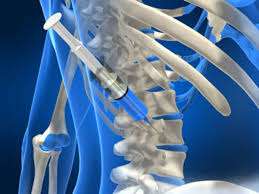
This chronic condition involving bladder inflammation leads to pelvic pain and frequent urination without an identifiable infection. It primarily affects adult women but can occur at any age or gender.
- Main complaints include: Persistent bladder pressure/pain worsening as bladder fills plus urgency/frequency interfering with daily life.
- Causative factors remain unclear;: Hypotheses include defects in the bladder lining allowing irritating substances penetration triggering inflammation.
- The evaluation comprises exclusion;: Urine cultures rule out infection; cystoscopy may reveal characteristic bladder wall changes.
- Treatment modalities vary;: Lifestyle changes avoiding irritants (caffeine/alcohol), physical therapy,oral medications aimed at symptom control;intravesical therapies considered refractory cases.
Lifelong management focuses on symptom relief improving quality of life through individualized care plans designed collaboratively between patients and healthcare providers.
PEDIATRIC VESICOURETERAL REFLUX (VUR)

This condition occurs mainly in children where urine flows backward from the bladder into one or both ureters/kidneys. It can raise risks for repeated infections and kidney damage if untreated.
- Pediatric symptoms: May include recurrent urinary tract infections accompanied by fever; younger children might show irritability rather than specific complaints.
- Causal mechanism: Abnormal valve function at the junction between ureters and bladder allows retrograde urine flow increasing infection risk.
- The diagnosis typically uses: Voiding cystourethrogram (VCUG) X-ray after contrast filling alongside ultrasonography for structural kidney evaluation.
- Treatment considerations involve: Antibiotic prophylaxis to prevent infection in mild cases; surgical correction may be necessary when reflux is severe.
- The prognosis depends on severity but early detection reduces permanent kidney damage risk through careful monitoring.
A multi-disciplinary approach focusing on preventing infections ensures better outcomes protecting growing kidneys during childhood development.
ERECTILE DYSFUNCTION

Erectile dysfunction (ED) is characterized by difficulty achieving or maintaining an erection sufficient for satisfactory sexual activity. It affects men across various age groups but increases with age.
- Main symptoms:: Persistent inability to get or keep an erection during sexual activity leading to distress or relationship issues.
- Causative factors:: Can stem from psychological stressors, cardiovascular disease, diabetes, hormonal imbalances, neurological disorders or medication side effects.
- The diagnostic process involves: A thorough clinical history review along with physical examination and possibly blood tests assessing hormone levels or vascular health assessments.
- Treatment strategies: Range from lifestyle changes like quitting smoking to oral medications (PDE-5 inhibitors), counseling for psychological causes or advanced therapies including injections or devices when necessary.
- The outlook: Many men experience improvement with tailored treatments addressing underlying causes supported by counseling when required.
Early attention increases chances for successful management improving sexual well-being.
KIDNEY STONES

Kidney stones are hard deposits formed from minerals in the urine that can block parts of the urinary tract causing significant discomfort. They vary in size and composition.
- Symptoms: Severe flank or back pain radiating towards the groin, blood in urine, nausea, vomiting, and frequent urination are typical signs.
- Causes: Factors include dehydration, dietary habits high in salt or oxalates, obesity, certain medical conditions, or family history.
- Diagnosis: Confirmed through imaging techniques such as ultrasound or CT scans alongside urine analysis for crystals or infection signs.
- Treatment options: Small stones may pass naturally with increased water intake and pain management; larger stones might require lithotripsy or surgical removal.
- Your journey ahead: Prevention through hydration and dietary adjustments reduces recurrence risk; follow-up ensures no complications develop.
A combination of timely detection and appropriate therapy helps relieve symptoms effectively while minimizing long-term damage to the kidneys.
BENIGN PROSTATIC HYPERPLASIA (BPH)

This condition involves the enlargement of the prostate gland, common among older men. It can cause bothersome urinary symptoms due to pressure on the urethra.
- Symptoms: Include difficulty starting urination, a weak stream, frequent nighttime urination, and incomplete bladder emptying.
- Causes: Age-related hormonal changes lead to prostate tissue growth causing obstruction in urine flow.
- Diagnosis: Involves physical examination including digital rectal exam (DRE), urine tests, blood tests like PSA levels, and sometimes ultrasound imaging.
- Treatment approaches: Range from lifestyle modifications to medications such as alpha-blockers or 5-alpha-reductase inhibitors; surgery may be needed in severe cases.
- Expectations: Many men experience symptom relief with treatment; ongoing monitoring is important for managing progression.
A personalized plan often helps manage BPH effectively while maintaining quality of life and urinary function.
URINARY TRACT INFECTION (UTI)

Urinary tract infections are common bacterial infections that affect the urinary system, including the bladder, kidneys, ureters, and urethra. They can occur in people of any age and are especially frequent among women.
- Symptoms: These often include burning sensation during urination, frequent urge to urinate, cloudy or strong-smelling urine, and lower abdominal pain.
- Causes: Most UTIs are caused by bacteria such as Escherichia coli entering the urinary tract from the digestive tract.
- Diagnosis: Typically confirmed by urine tests analyzing bacterial presence and sometimes imaging if recurrent infections occur.
- Treatment options: Usually involve antibiotics prescribed based on sensitivity tests; adequate hydration and pain relievers may also be recommended.
- What to expect: Symptoms usually improve within a few days of treatment, but completing the full antibiotic course is essential to prevent recurrence.
Prompt diagnosis and treatment of UTIs help avoid complications, ensuring quick recovery and maintaining urinary health.