
Dr Rahul Tulle
About Me
Dr Rahul Tulle
MBBS
General Physician
14 Years Experience
Biography
My Clinic
OPD Hours
| Monday | Morning | 04:00 PM | ||
| Evening | 05:00 PM | |||
| Tuesday | Morning | 04:00 PM | ||
| Evening | 05:00 PM | |||
| Wednesday | Morning | 04:00 PM | ||
| Evening | 05:00 PM | |||
| Thursday | Morning | 04:00 PM | ||
| Evening | 05:00 PM | |||
| Friday | Morning | 04:00 PM | ||
| Evening | 05:00 PM | |||
| Saturday | Morning | 04:00 PM | ||
| Evening | 05:00 PM |
Treatments
Specialised care and treatments offered
HYPERLIPIDEMIA
Hyperlipidemia refers to high levels of lipids (fat) in the blood which poses risks for cardiovascular diseases if uncontrolled. It’s essential for individuals to understand its implications on overall health status over time
- Symptoms are often absent; however, it increases risk factors associated with heart attacks or strokes over prolonged periods
- Diagnosis typically occurs through blood tests measuring cholesterol levels combined with assessments on lifestyle habits
- Management involves dietary adjustments promoting heart-healthy foods along with regular exercise routines while statins could be prescribed able & preventive measures depending upon identified risk categorizations
- Regular follow-ups enable monitoring lipid profiles aiding informed decisions about necessary adjustments whenever required .
Understanding hyperlipidemia leads towards empowering patients affected - encouraging commitment towards healthier living thus improving longevity prospects .
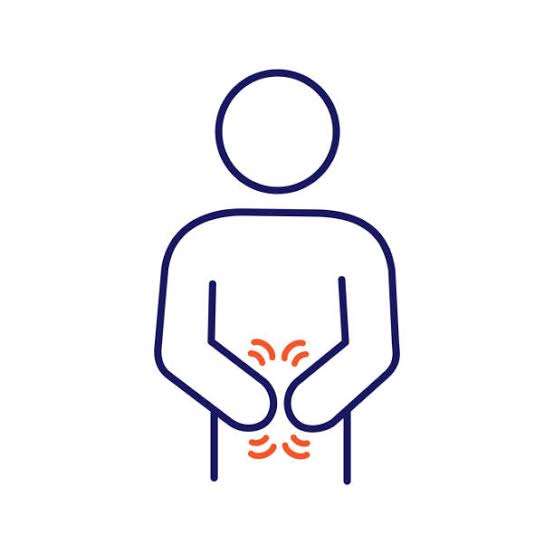
GASTROESOPHAGEAL REFLUX DISEASE (GERD)

Gastroesophageal reflux disease (GERD) occurs when stomach acid frequently flows back into the esophagus leading to discomfort. Awareness of this condition helps individuals seek timely interventions for relief from symptoms.
- Main symptoms often include heartburn one feels after eating or lying down as well as regurgitation of food or sour liquid into the mouth
- |||}
- Lifestyle choices such as obesity or smoking also contribute to GERD onset
- A healthcare professional usually diagnoses it through patient history evaluations alongside endoscopy if required
- Treatment strategies range from lifestyle modifications like dietary adjustments alongside antacids; more severe cases might need prescription medications or surgery after thorough evaluation
- A proactive approach aids effective management ensuring better quality within daily lives while reducing bothersome episodes.
INFLUENZA

Influenza, commonly known as the flu, is a contagious viral infection affecting the respiratory system. It can occur seasonally and lead to significant discomfort if not addressed promptly.
- The flu typically presents with symptoms such as fever, chills, body aches, coughs, fatigue, and sore throat among others that may vary between individuals.
- An accurate diagnosis often relies upon clinical evaluation during flu season or testing in case of outbreaks.
- Treatment primarily focuses on symptom relief through rest, hydration, over-the-counter medications or antiviral drugs prescribed by a physician when necessary.
Preventive measures include annual vaccinations which significantly reduce the risk of contracting influenza. Awareness plays a critical role in managing outbreaks effectively within communities.
ASTHMA
Asthma is a chronic respiratory condition characterized by inflammation and narrowing of the airways. It affects individuals of all ages and can vary in severity.
- Common symptoms include wheezing, coughing, chest tightness, and shortness of breath: these can worsen during physical activity or exposure to allergens.
- A healthcare provider diagnoses asthma based on medical history, symptoms assessment, and lung function tests.
- Treatment involves the use of inhalers (both reliever and controller types) along with avoiding triggers like smoke or dust.
- Pediatric patients might require unique attention regarding their inhaler techniques and medication plans compared to adults.
Coping with asthma requires awareness of triggers and adherence to management plans for optimal control over the condition.
DIABETES MELLITUS

Diabetes mellitus is a chronic condition that affects how your body processes glucose. With rising prevalence, understanding this condition is crucial for long-term health.
- Common symptoms include increased thirst, frequent urination, fatigue, and blurred vision.
- Diagnosis typically involves blood tests to measure glucose levels in the body.
- Treatment may encompass lifestyle adjustments like dietary changes along with insulin or other medications as necessary.
- Regular monitoring of blood sugar levels is vital to managing diabetes effectively.
- The goal is to maintain normal glucose levels to prevent complications such as heart disease or kidney damage.
A proactive approach towards management can significantly impact quality of life for individuals with diabetes mellitus.
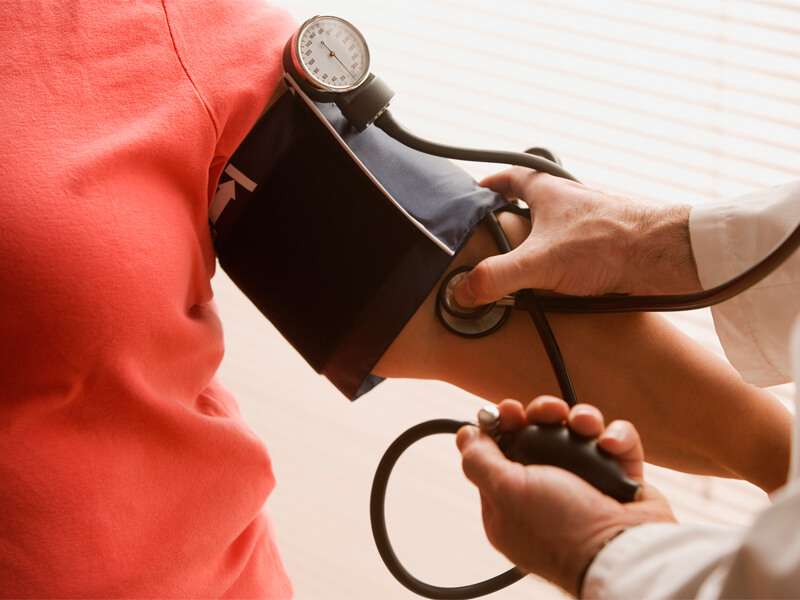
HYPERTENSION
Hypertension, commonly known as high blood pressure, is a prevalent condition that affects many adults. It can lead to serious health issues if not managed effectively.
- Symptoms may include headaches, shortness of breath, and nosebleeds, although it often presents without noticeable signs.
- Diagnosis is typically made through blood pressure readings taken during routine check-ups.
- Treatment options include lifestyle changes such as diet modifications, regular exercise, and in some cases, medication.
- Management involves regular monitoring of blood pressure levels and adherence to prescribed treatments.
- Patients can expect improvements in their health with consistent management and follow-up care.
Understanding hypertension is crucial for prevention and effective treatment. Regular check-ups can help catch this condition early.