
Dr RAI
About Me
Dr RAI
Cardiologist
Biography
My Clinic
OPD Hours
| Tuesday | Morning | 10:00 AM | - | 02:00 PM |
| Evening | 06:00 PM | - | 09:00 PM | |
| Wednesday | Morning | 10:00 AM | - | 02:00 PM |
| Evening | 06:00 PM | - | 09:00 PM | |
| Thursday | Morning | 10:00 AM | - | 02:00 PM |
| Evening | 06:00 PM | - | 09:00 PM | |
| Friday | Morning | 10:00 AM | - | 02:00 PM |
| Evening | 06:00 PM | - | 09:00 PM | |
| Saturday | Morning | 10:00 AM | - | 02:00 PM |
| Evening | 06:00 PM | - | 09:00 PM | |
| Sunday | Morning | 10:00 AM | - | 02:00 PM |
| Evening | 06:00 PM | - | 09:00 PM | |
| Thursday | Morning | 10:00 AM | - | 02:00 PM |
| Evening | 06:00 PM | - | 09:00 PM |
Treatments
Specialised care and treatments offered
CORONARY ANGIOGRAPHY

This imaging technique uses X-ray technology combined with contrast material injected into the coronary arteries. It enables physicians to visualize blockages that could affect blood flow to the heart muscle itself.
The primary reason for initiating this procedure is when patients experience chest pain indicative of ischemia—or restricted blood flow due to potential arterial blockages. Additionally, it serves as an essential tool during emergency situations involving suspected myocardial infarctions (heart attacks) where rapid assessment is crucial.
- PATIENT SCREENING: The doctor will review previous medical history thoroughly before recommending angiography; this ensures patients are proper candidates for such diagnostic measures.
- SIMPLE PROCEDURE: CATHETERS INSERTED THROUGH THE ARM OR LEG PROVIDE ACCESS TO THE ARTERIES AROUND THE HEART DURING THIS LESS INVASIVE TESTING PROCESS.
ELECTROPHYSIOLOGY STUDY
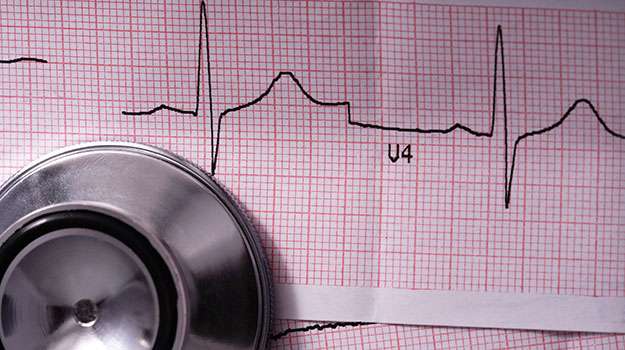
This advanced diagnostic procedure assesses the electrical system of the heart to determine the cause of arrhythmias—abnormal heart rhythms that can lead to serious complications if left untreated.
.- ,
- SYMPTOMS / CAUSES : IT IS OFTEN RECOMMENDED FOR PATIENTS WHO EXPERIENCE SYMPTOMS SUCH AS DIZZINESS , PALPITATIONS , OR UNEXPLAINED FAINTING EPISODES .
- DIAGNOSIS : DURING THE STUDY , ELECTRODES ARE PLACED INSIDE THE HEART TO RECORD ELECTRICAL SIGNALS .
- TREATMENT / MANAGEMENT : IF AN ARRHYTHMIA IS IDENTIFIED , TREATMENT MAY INCLUDE MEDICATIONS OR INTERVENTIONS SUCH AS ABLATION TO DISRUPT ABNORMAL SIGNALS .
- WHAT TO EXPECT : THIS PROCEDURE IS USUALLY PERFORMED IN A HOSPITAL SETTING AND CAN TAKE SEVERAL HOURS .
CARDIAC CATHETERIZATION
This procedure involves inserting a thin tube (catheter) into a blood vessel leading to the heart. Cardiac catheterization serves both diagnostic and therapeutic purposes in identifying coronary artery disease or other heart conditions.
- Symptoms/Causes: Common reasons for this procedure include severe chest pain or abnormal stress test results suggesting blockages in blood flow.
- Diagnosis: The catheter allows for direct visualization of coronary arteries through angiography, where contrast dye highlights blood flow patterns on X-ray images. Treatment/Management: If blockages are found, treatment options can include angioplasty with stent placement during the same visit or surgical referral as needed.
The entire process typically requires only a few hours and provides crucial insights into cardiovascular health, guiding subsequent medical decisions effectively.
HOLTER MONITOR
A Holter monitor is a portable device worn by patients for 24-48 hours to continuously record the electrical activity of the heart. This tool plays a vital role in diagnosing rhythm disorders that may not be detected during a standard electrocardiogram (ECG).
- Symptoms/Causes: It's commonly prescribed for patients experiencing palpitations or unexplained fainting spells.
- Diagnosis: The device tracks your heartbeat throughout daily activities, allowing doctors to analyze variations over an extended period.
- Treatment/Management: Based on findings, treatment options may include changes in medication or lifestyle adjustments aimed at improving cardiac health. What to Expect: The monitor is lightweight and unobtrusive, enabling normal daily activities while it functions effectively.
This monitoring provides comprehensive data critical for accurate diagnosis and effective management of cardiac conditions.
STRESS TEST
A stress test evaluates how well your heart performs under physical exertion. By monitoring the heart's activity during exercise, this assessment helps identify any potential cardiac issues that might not be apparent at rest.
- Symptoms/Causes: It’s particularly useful for individuals with symptoms like chest discomfort or those at risk for heart disease due to factors like diabetes or family history.
- Diagnosis: Patients are usually asked to walk on a treadmill while their heart rate and rhythm are closely monitored via electrodes placed on their chest.
- Treatment/Management: Abnormal results may lead to additional tests or interventions based on the specific concerns identified during testing.
- What to Expect: The test typically takes about an hour, including preparation time; it may cause slight fatigue but is generally safe.
The results provide valuable insights into heart health and help tailor personalized treatment plans.
ECHOCARDIOGRAM
An echocardiogram is a crucial diagnostic tool utilized to assess the heart's structure and function through ultrasound technology. This non-invasive procedure allows healthcare professionals to visualize the heart chambers, valves, and surrounding blood vessels in real-time.
- Symptoms/Causes: An echocardiogram is often recommended for patients experiencing chest pain, shortness of breath, or irregular heartbeat.
- Diagnosis: The procedure involves placing a transducer on the chest, which emits sound waves to create images of the heart.
- Treatment/Management: Based on the findings, potential treatments may include medications or further procedures such as catheterization or surgery.
- What to Expect: Patients can expect a painless process that typically lasts around 30-60 minutes.
This test is an essential step in understanding cardiovascular health and helps guide further treatment options.