
Dr Rai
About Me
Dr Rai
Cardiologist
Biography
My Clinic
OPD Hours
| Tuesday | Morning | 10:00 AM | - | 02:00 PM |
| Evening | 06:00 PM | - | 09:00 PM | |
| Wednesday | Morning | 10:00 AM | - | 02:00 PM |
| Evening | 06:00 PM | - | 09:00 PM | |
| Thursday | Morning | 10:00 AM | - | 02:00 PM |
| Evening | 06:00 PM | - | 09:00 PM | |
| Friday | Morning | 10:00 AM | - | 02:00 PM |
| Evening | 06:00 PM | - | 09:00 PM | |
| Saturday | Morning | 10:00 AM | - | 02:00 PM |
| Evening | 06:00 PM | - | 09:00 PM | |
| Sunday | Morning | 10:00 AM | - | 02:00 PM |
| Evening | 06:00 PM | - | 09:00 PM | |
| Thursday | Morning | 10:00 AM | - | 02:00 PM |
| Evening | 06:00 PM | - | 09:00 PM |
Treatments
Specialised care and treatments offered
CARDIAC REHABILITATION

This specialized program helps individuals recover post-heart surgery or after a cardiac event by focusing on improving physical fitness. Engaging in cardiac rehabilitation offers numerous benefits when followed diligently under professional supervision
.- .
- . . Benefits:. . Helps enhance exercise capacity while decreasing anxiety about return-to-activity following cardiac events.. .
- . . Components:. . Programs typically incorporate monitored exercise training along with education on nutrition and lifestyle modification.. .
- . . Supervision:. . A team including professionals such as doctors & physiotherapists guide patients through each stage of their recovery journey.. .
- . . What To Expect:. . Participants often report increased energy & improved quality-of-life post-participation due diligence leads gradually back into normal life experiences successfully.;
CHOLESTEROL MANAGEMENT
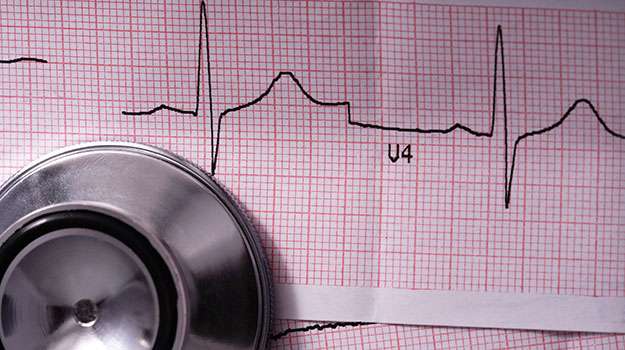
Maneuvering through cholesterol levels is integral for maintaining good cardiovascular health. High cholesterol can increase the risk of various diseases affecting the heart if not managed properly.
- Symptoms: High cholesterol usually presents no direct symptoms; testing is needed to discover elevated levels.
- Causes: Diet heavy in trans fats and saturated fats combined with lack of exercise contribute predominantly towards high cholesterol levels.
- Diagnosis: A simple blood test evaluates lipid profiles giving insight into cholesterol levels.
- Treatment options: Lifestyle changes involving diet modification along with physical activity form foundational steps; sometimes medication becomes necessary.
- What to expect: An ongoing commitment towards healthier choices coupled with regular screenings aids in controlling cholesterol effectively over time.
The journey towards healthy cholesterol levels begins with small yet impactful daily choices toward better nutrition.
ARRHYTHMIA
This condition involves irregular heartbeat patterns that can significantly affect overall cardiovascular health. Understanding arrhythmia is key in differentiating between harmless variations and serious issues requiring intervention.
- Symptoms: Palpitations or racing sensations in the chest along with dizziness or fainting spells may signal arrhythmias.
- Causes: Factors such as stress, caffeine intake, certain medications, or underlying health issues often contribute to arrhythmic episodes.
- Diagnosis: An ECG or Holter monitor helps document irregularities over time for accurate diagnosis.
- Treatment options: In many cases, lifestyle adjustments suffice; however more severe arrhythmias might require medication or procedures like ablation.
- What to expect: Regular monitoring plays a crucial role in managing your condition effectively while ensuring a safe lifestyle.
Being aware of how your heart beats regularly allows you greater control over your cardiovascular health.
HEART FAILURE
Heart failure doesn't mean that your heart has stopped working; rather it indicates that your heart isn't pumping blood as well as it should. Understanding this condition is crucial for effective management and treatment.
- Symptoms: Patients often experience fatigue, swollen legs or ankles, and breathlessness during exertion or at rest.
- Causes:The main causes include coronary artery disease, high blood pressure, or previous heart attacks which damage the heart’s ability to function properly.
- Diagnosis:Your doctor will likely conduct physical exams alongside tests such as echocardiograms to assess the heart's performance accurately.
- Treatment options: Lifestyle changes including sodium restriction and regular exercise can be highly beneficial; medications are critical in managing symptoms effectively too.
- What to expect: Persistent follow-ups with your healthcare provider are essential for ongoing management of heart failure conditions.
Recognizing symptoms early on ensures timely intervention and better outcomes for those living with heart failure.
CORONARY ARTERY DISEASE (CAD)
This condition occurs when the coronary arteries become narrowed or blocked, leading to reduced blood flow to the heart muscle. Understanding CAD's risk factors and treatments is essential for effective management.
- Symptoms: Chest pain (angina), shortness of breath, and fatigue during physical activities may indicate CAD.
- Causes: Risk factors include high cholesterol levels, smoking, diabetes, and sedentary lifestyle.
- Diagnosis: Healthcare providers typically use electrocardiograms (ECG), stress tests, or angiography to diagnose CAD.
- Treatment options: Lifestyle changes combined with medications are often effective; in some cases, procedures like angioplasty might be considered.
- What to expect: Engaging in heart-healthy practices can improve quality of life and reduce the risks associated with CAD.
A proactive approach towards heart health is vital for managing coronary artery disease effectively.
HYPERTENSION
Hypertension, or high blood pressure, is a common condition that affects many adults. It can lead to serious health issues if left untreated, so understanding its causes and management is crucial.
- Symptoms: Often referred to as a "silent killer", hypertension may not present clear symptoms until it's severe.
- Causes: Factors such as poor diet, lack of exercise, obesity, and genetics can contribute significantly.
- Diagnosis: Blood pressure readings taken during a routine check-up are the primary means of diagnosis.
- Treatment options: Lifestyle modifications such as dietary changes, increased physical activity, and stress management often form the basis of treatment; medications may also be necessary.
- What to expect: Regular monitoring and continuous lifestyle adjustments can help in effectively managing hypertension.
If you suspect you have high blood pressure, consult a healthcare professional for appropriate advice and treatment options.