
Dr Raj Govind Sha
About Me
Dr Raj Govind Sha
MD
Oncologist
10 Years Experience
Biography
My Clinic
OPD Hours
| Monday | Morning | 10:00 AM | - | 02:00 PM |
| Evening | 06:00 PM | - | 09:00 PM | |
| Tuesday | Morning | 10:00 AM | - | 02:00 PM |
| Evening | 06:00 PM | - | 09:00 PM | |
| Wednesday | Morning | 10:00 AM | - | 02:00 PM |
| Evening | 06:00 PM | - | 09:00 PM | |
| Thursday | Morning | 10:00 AM | - | 02:00 PM |
| Evening | 06:00 PM | - | 09:00 PM | |
| Friday | Morning | 10:00 AM | - | 02:00 PM |
| Evening | 06:00 PM | - | 09:00 PM | |
| Saturday | Morning | 10:00 AM | - | 02:00 PM |
| Evening | 06:00 PM | - | 09:00 PM | |
| Sunday | Morning | 10:00 AM | - | 02:00 PM |
| Evening | 06:00 PM | - | 09:00 PM |
Treatments
Specialised care and treatments offered
SKIN CANCER
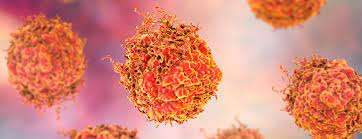
This form encompasses several types including melanoma and non-melanoma varieties. Skin cancer is largely linked to prolonged UV exposure but can also arise from genetic predispositions leading to abnormal skin cell division patterns over time.
- Suspicious moles or skin lesions should be monitored for alterations—changes in color, size, or shape could indicate underlying malignancy development requiring professional assessment immediately!
- Dermatologists often perform skin exams supplemented by biopsy techniques when required for definitive diagnosis purposes regarding suspected lesions noted during examinations!
HEMATOLOGIC CANCERS
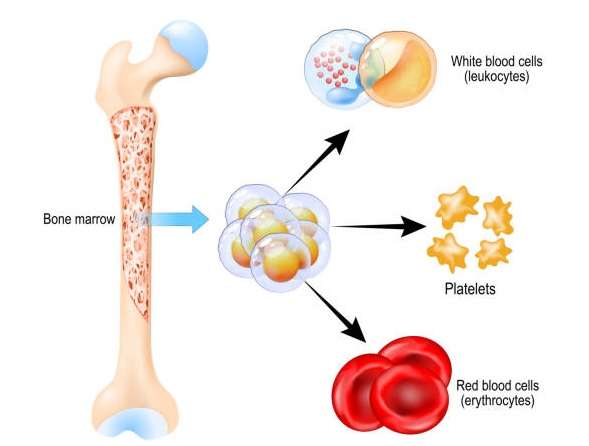
This category includes various cancers affecting blood cells such as leukemia and lymphoma. These cancers differ significantly from solid tumors and require specialized diagnostic techniques to guide successful treatment plans.
- Symptoms often manifest as fatigue, fever, easy bruising or bleeding which should prompt immediate consultation with healthcare providers for evaluation.
- Diagnosis primarily relies on blood tests along with bone marrow biopsies to ascertain cell types affected by malignancy.
- Treatment commonly comprises chemotherapy regimens while some cases benefit from stem cell transplants aimed at restoring healthy blood cell production post-therapy.
A holistic approach addressing both physical health concerns as well as emotional support enhances patient experience throughout their journey against hematologic malignancies.
PROSTATE CANCER

This form of cancer arises from abnormal growths in the prostate gland. Prostate cancer's progression can vary significantly among individuals; thus early detection plays a critical role in management strategies.
- Common indicators might include urinary difficulties, pelvic discomfort, or erectile dysfunction which warrant further investigation by healthcare professionals.
- A digital rectal exam (DRE) combined with PSA blood tests helps establish a diagnosis followed by imaging studies when necessary.
- Treatment options generally feature active surveillance for low-risk cases while higher risk scenarios might necessitate surgery or radiotherapy approaches combined with hormonal therapy.
The outlook for prostate cancer has steadily improved due to advancements in early detection methodologies coupled with innovative treatments available today.
COLORECTAL CANCER
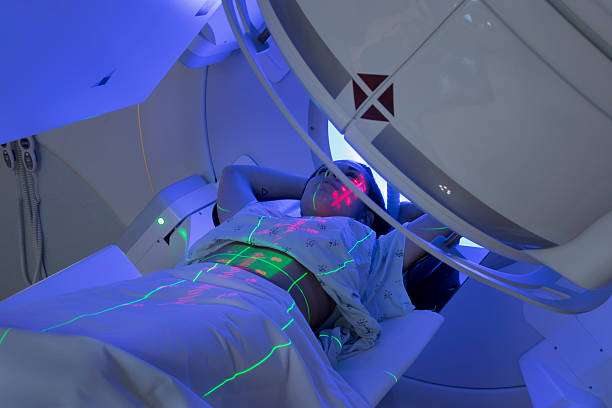
Colorectal cancer involves malignant growths found in the colon or rectum. This type of cancer is highly prevalent but also preventable through regular screening measures starting at age 45 or earlier for those at higher risk.
- Common symptoms include changes in bowel habits, abdominal discomfort, and blood in stools.
- The diagnosis process may require colonoscopy alongside various imaging studies to assess tumor presence.
- Treatment usually consists of combinations of surgery, radiation therapy, and chemotherapy tailored as per individual assessment.
- Palliative care may also be included to improve quality of life during advanced stages of the disease.
A multidisciplinary approach ensures that all aspects of patient care are addressed effectively throughout their cancer journey.
LUNG CANCER
Lung cancer is known for its aggressive nature and occurs predominantly due to smoking or exposure to harmful chemicals. It manifests primarily within the lung tissues and can spread to other parts of the body.
- This type of cancer often presents with symptoms like persistent cough, chest pain, and weight loss.
- Diagnosis typically involves imaging tests such as CT scans along with tissue biopsies for confirmation.
- Treatment strategies may encompass surgery, chemotherapy, targeted therapy, or immunotherapy depending on the stage and type of lung cancer identified.
- Patients should engage actively with their healthcare team to manage side effects effectively during treatment.
With advancements in medical research, many patients experience improved outcomes through tailored treatment plans based on individual needs.
BREAST CANCER
Breast cancer is a complex disease that develops in the cells of the breast. It can occur in both men and women, though it is much more common in women. Early detection and comprehensive treatment are key to improving survival rates.
- Symptoms may include lumps, changes in breast shape or size, and unusual discharge from the nipple.
- The condition is typically diagnosed through mammograms, ultrasound imaging, and biopsy procedures.
- Treatment options often involve a combination of surgery, radiation therapy, chemotherapy, or hormonal therapy.
- Regular follow-ups are crucial as they help monitor recovery and detect any recurrence.
A proactive approach towards screening can greatly enhance treatment outcomes and overall quality of life for patients diagnosed with this condition.