
Dr Raj Kumar Bajaj
About Me
Dr Raj Kumar Bajaj
MBBS
General Physician
10 Years Experience
Biography
My Clinic
OPD Hours
| Monday | Morning | 10:00 AM | - | 02:00 PM |
| Evening | 06:00 PM | - | 09:00 PM | |
| Tuesday | Morning | 10:00 AM | - | 02:00 PM |
| Evening | 06:00 PM | - | 09:00 PM | |
| Wednesday | Morning | 10:00 AM | - | 02:00 PM |
| Evening | 06:00 PM | - | 09:00 PM | |
| Thursday | Morning | 10:00 AM | - | 02:00 PM |
| Evening | 06:00 PM | - | 09:00 PM | |
| Friday | Morning | 10:00 AM | - | 02:00 PM |
| Evening | 06:00 PM | - | 09:00 PM | |
| Saturday | Morning | 10:00 AM | - | 02:00 PM |
| Evening | 06:00 PM | - | 09:00 PM | |
| Sunday | Morning | 10:00 AM | - | 02:00 PM |
| Evening | 06:00 PM | - | 09:00 PM |
Treatments
Specialised care and treatments offered
ANEMIA DIAGNOSIS
Anemia occurs when there aren’t enough healthy red blood cells in circulation causing insufficient oxygen delivery throughout the body leading towards fatigue among other implications biologically speaking
.- Some common signs could encompass paleness , weakness & shortness out breath which might prompt exploration into underlying causes via proper evaluation methods .
- Diagnosis usually entails assessing hemoglobin levels along conducting different types testing depending upon if iron deficiency , vitamin deficiency etc were suspected.
- Management approaches would fluctuate dynamically according on what triggered it but often revolve around dietary enhancements supplementation if identified cause proved plausible.
- Follow-up appointments remain critical since monitoring advancement reveals true efficacy achieved plus potential required adjustments accordingly.
Undergoing these evaluations fosters early identification which plays an integral role empowering patients restoring optimal capacities living fulfilling lives!
ASTHMA MANAGEMENT

Asthma is a chronic condition that affects the airways in the lungs. It causes recurrent episodes of wheezing, breathlessness, chest tightness, and coughing that can vary in frequency from person to person throughout their lives.
- This condition can be triggered by allergens such as pollen or dust mites; environmental factors like pollution; emotional stress; or physical exertion during exercise.
- A physician will perform a full assessment that includes reviewing symptoms alongside lung function tests to confirm asthma diagnosis efficiently.
- The management plan usually consists of inhaled corticosteroids for long-term control paired with rescue inhalers used during acute exacerbations when they occur.
A tailored asthma action plan enables individuals to recognize triggers while providing an outline on how best to handle attacks step-by-step with confidence whenever they arise
GASTROENTERITIS

Gastroenteritis is an inflammation of the stomach and intestines often leading to diarrhea and vomiting. This condition can affect anyone but is particularly prevalent among children under five years old due to exposure in group settings like daycare centers.
- Common symptoms involve abdominal cramping paired with watery diarrhea or vomiting; some individuals may also experience fever or muscle aches.
- A healthcare provider typically diagnoses gastroenteritis through clinical evaluation along with patient history regarding recent food consumption or exposure to infected individuals.
- Treatment primarily includes maintaining hydration through oral rehydration solutions while avoiding solid foods until symptoms subside. In severe cases where dehydration occurs, intravenous fluids may be necessary.
A supportive approach facilitates recovery from gastroenteritis while highlighting the importance of hygiene practices in preventing future occurrences within communities.
UPPER RESPIRATORY INFECTIONS
Upper respiratory infections (URIs) encompass a range of illnesses affecting the nose, throat, and airways. Commonly referred to as colds or flu-like symptoms, they are caused by various viruses that spread easily from person to person.
- Main symptoms typically include a runny nose, sore throat, cough, sneezing, fever, and fatigue; however, these may vary between individuals.
- Your doctor will usually diagnose URIs through a physical examination while taking into account medical history and symptom presentation.
- Treatment generally focuses on relieving symptoms since most URIs are viral; this may involve rest, hydration, pain relievers, and decongestants as needed.
Since URIs are self-limiting illnesses, understanding when to seek further medical attention can be essential for managing one's health effectively during an episode.
DIABETES MANAGEMENT

Diabetes is a chronic condition that affects how your body processes food for use as energy. There are two main types: Type 1, which is usually diagnosed in children and young adults, and Type 2, which is more common in adults.
- The symptoms may include increased thirst, frequent urination, extreme fatigue, and blurred vision, but they can develop gradually.
- A comprehensive diagnosis often includes blood tests to measure glucose levels during fasting or after meals.
- Treatment usually consists of lifestyle modifications like dietary changes and physical activity, along with medications or insulin therapy as necessary.
- Ongoing monitoring of blood sugar levels is crucial for effective management and preventing complications related to diabetes.
- Expect regular follow-ups to adjust treatment plans based on progress and changing needs over time.
The right support and education empower patients to manage their diabetes effectively for better quality of life.
HYPERTENSION

Hypertension, commonly known as high blood pressure, is a condition where the force of blood against the artery walls is too high. It often develops over many years and can lead to serious health problems if not managed properly.
- Symptoms can include headaches, dizziness, and shortness of breath, but many individuals experience no noticeable signs until complications arise.
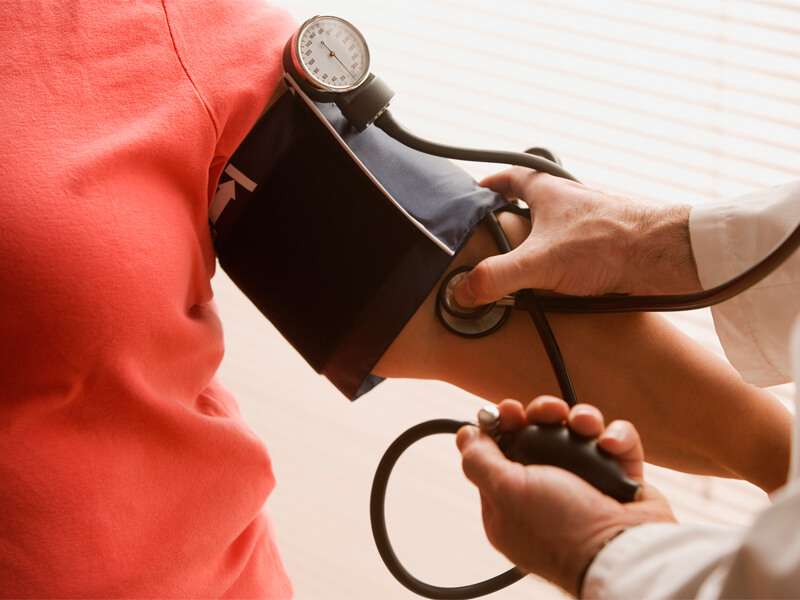
- Diagnosis is typically made through blood pressure measurements taken during routine visits or specific tests if hypertension is suspected.
- Treatment options include lifestyle changes such as a healthier diet and regular exercise, along with medications that help lower blood pressure.
- Management involves regular monitoring of blood pressure levels and may require adjustments in treatment based on individual response and side effects.
- Patients can expect ongoing communication with their healthcare provider to effectively manage their condition over time.
Taking proactive measures and adhering to a treatment plan can significantly improve overall health outcomes for those living with hypertension.