
Dr Raj Kumar Sha
About Me
Dr Raj Kumar Sha
DO
Ophthalmologist
Biography
My Clinic
OPD Hours
| Monday | Morning | 10:00 AM | - | 02:00 PM |
| Evening | 06:00 PM | - | 09:00 PM | |
| Tuesday | Morning | 10:00 AM | - | 02:00 PM |
| Evening | 06:00 PM | - | 09:00 PM | |
| Wednesday | Morning | 10:00 AM | - | 02:00 PM |
| Evening | 06:00 PM | - | 09:00 PM | |
| Thursday | Morning | 10:00 AM | - | 02:00 PM |
| Evening | 06:00 PM | - | 09:00 PM | |
| Friday | Morning | 10:00 AM | - | 02:00 PM |
| Evening | 06:00 PM | - | 09:00 PM | |
| Saturday | Morning | 10:00 AM | - | 02:00 PM |
| Evening | 06:00 PM | - | 09:00 PM | |
| Sunday | Morning | 10:00 AM | - | 02:00 PM |
| Evening | 06:00 PM | - | 09:00 PM |
Treatments
Specialised care and treatments offered
COMPREHENSIVE EYE EXAMS
RETINAL DETACHMENT REPAIR
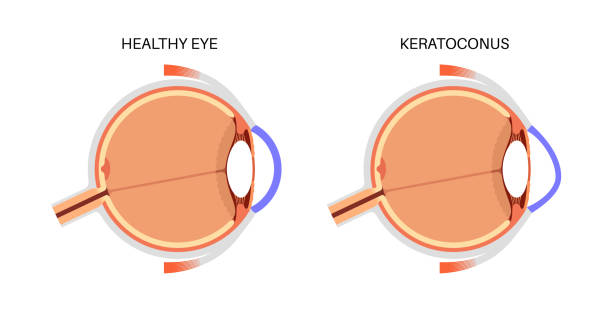
A retinal detachment occurs when the retina separates from its underlying supportive tissue, risking permanent vision loss. This medical emergency requires prompt attention to restore retinal integrity and function effectively.
- The hallmark symptoms include sudden flashes of light or floaters in one's field of sight along with a shadow appearing on one side of vision...
- Diagnosis is conducted through comprehensive examinations including ultrasounds or direct observation during dilated exams.
- Treatment varies depending on severity but may involve laser surgery or vitrectomy procedures aimed at reattaching the retina.
- Post-treatment care includes rest followed by scheduled visits for close observation ensuring stable healing processes.
- Patients might regain significant portions of their lost vision after successful repair but outcomes vary based on individual circumstances.
Immediate care following symptoms signaling detachment maximizes chances for preservation so staying alert towards any unusual changes becomes essential.
AGE-RELATED MACULAR DEGENERATION (AMD)
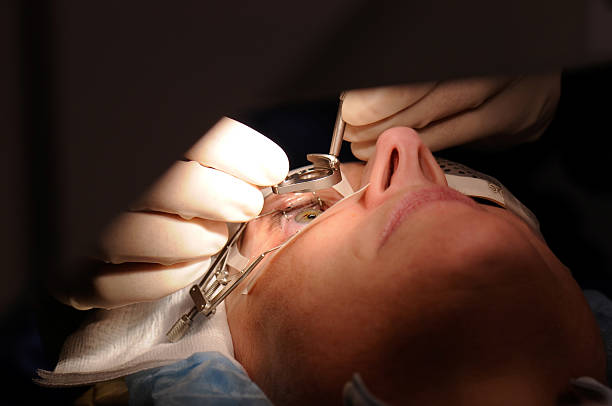
This progressive disease affects the macula—the part of the retina responsible for central vision. AMD primarily impacts older adults and can lead to significant vision impairment over time if not addressed promptly.
- Initial symptoms may include distorted vision and difficulty recognizing faces or reading fine print.
- A detailed examination by an ophthalmologist can include optical coherence tomography (OCT) to analyze retinal layers for diagnostic purposes.
- Treatment options range from dietary supplements to laser therapies and injections aimed at slowing progression or improving vision potential.
- Lifestyle modifications—such as quitting smoking and maintaining a healthy diet—are encouraged for managing risk factors associated with AMD development.
- Follow-up consultations play a crucial role in monitoring disease advancement over time.
Regular assessments are advised for early detection since timely intervention represents the best chance of preserving sight.
GLAUCOMA SCREENING
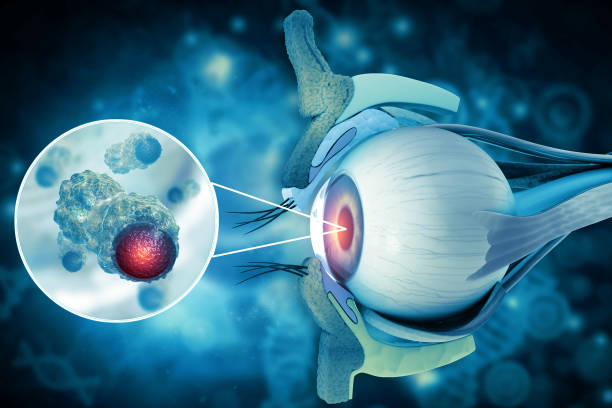
Glaucoma is a group of eye conditions that damage the optic nerve, often due to abnormally high pressure in the eyes. Early detection through screening is essential since this condition can lead to irreversible blindness if left untreated.
- Symptoms may not be noticeable until advanced stages; however, patients might observe peripheral vision loss initially.
- Diagnosis generally involves a comprehensive eye exam, including measuring intraocular pressure and assessing optic nerve health.
- Treatment aims at lowering intraocular pressure through medications or surgical options if necessary; compliance with treatment plans is vital for managing glaucoma effectively.
- Regular check-ups are instrumental in monitoring any changes in eye health over time.
- The frequency of screenings increases with age or if there are risk factors present such as family history or increased intraocular pressure.
A proactive approach can help preserve vision for those at risk of glaucoma; early intervention significantly improves outcomes.
CATARACT SURGERY
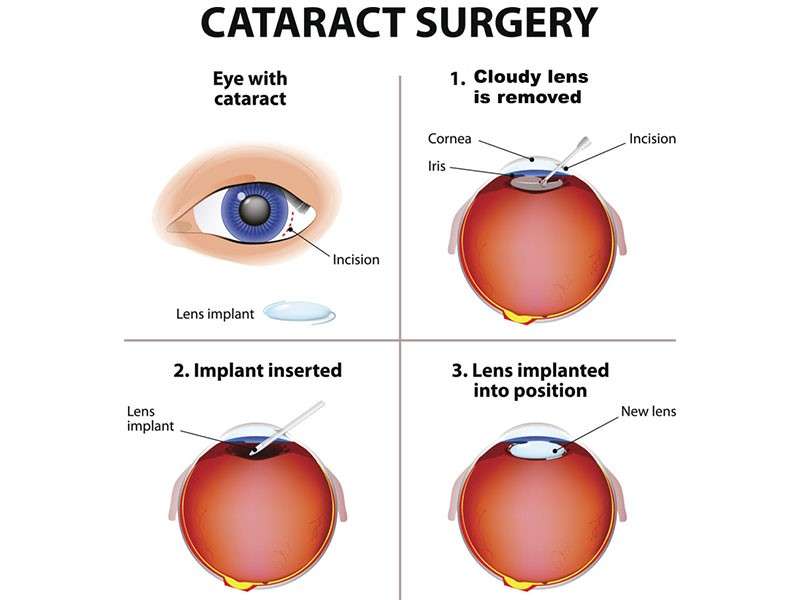
Cataracts occur when the lens of the eye becomes cloudy, leading to impaired vision. This condition is common as people age but can also result from other factors such as injury or certain medications.
- Common signs include trouble seeing at night, sensitivity to light, and fading colors.
- A thorough examination by an ophthalmologist will diagnose cataracts through visual acuity tests and eye examinations.
- The primary treatment is surgery, which involves removing the cloudy lens and replacing it with an artificial one.
- Post-operative care may involve using prescribed eye drops and attending follow-up appointments to ensure proper healing.
- Patients often experience significant improvements in their vision following cataract surgery.
Cataract surgery is one of the most commonly performed procedures worldwide, highlighting its effectiveness in restoring sight.
DIABETIC RETINOPATHY
This is a serious eye condition that affects individuals with diabetes. It occurs when high blood sugar levels damage the retina's blood vessels, potentially leading to vision loss.
- Symptoms may include blurred vision, floaters, and dark spots.
- Diagnosis typically involves a comprehensive eye exam, including dilated eye exams and imaging tests like fluorescein angiography.
- Treatment options vary from laser therapy to injections in the eye, aimed at reducing swelling and preventing further damage.
- Management includes controlling blood sugar levels and regular monitoring of eye health.
- Patients can expect ongoing evaluations to track the condition's progression.
Early detection of diabetic retinopathy is crucial for preserving vision; thus, regular eye check-ups are strongly recommended.