
Dr Raj Mehra
About Me
Dr Raj Mehra
MBBS
General Physician
Biography
My Clinic
OPD Hours
| Monday | Morning | 10:00 AM | - | 02:00 PM |
| Evening | 06:00 PM | - | 09:00 PM | |
| Tuesday | Morning | 10:00 AM | - | 02:00 PM |
| Evening | 06:00 PM | - | 09:00 PM | |
| Wednesday | Morning | 10:00 AM | - | 02:00 PM |
| Evening | 06:00 PM | - | 09:00 PM | |
| Thursday | Morning | 10:00 AM | - | 02:00 PM |
| Evening | 06:00 PM | - | 09:00 PM | |
| Friday | Morning | 10:00 AM | - | 02:00 PM |
| Evening | 06:00 PM | - | 09:00 PM | |
| Saturday | Morning | 10:00 AM | - | 02:00 PM |
| Evening | 06:00 PM | - | 09:00 PM | |
| Sunday | Morning | 10:00 AM | - | 02:00 PM |
| Evening | 06:00 PM | - | 09:00 PM |
Treatments
Specialised care and treatments offered
ALLERGY TESTING
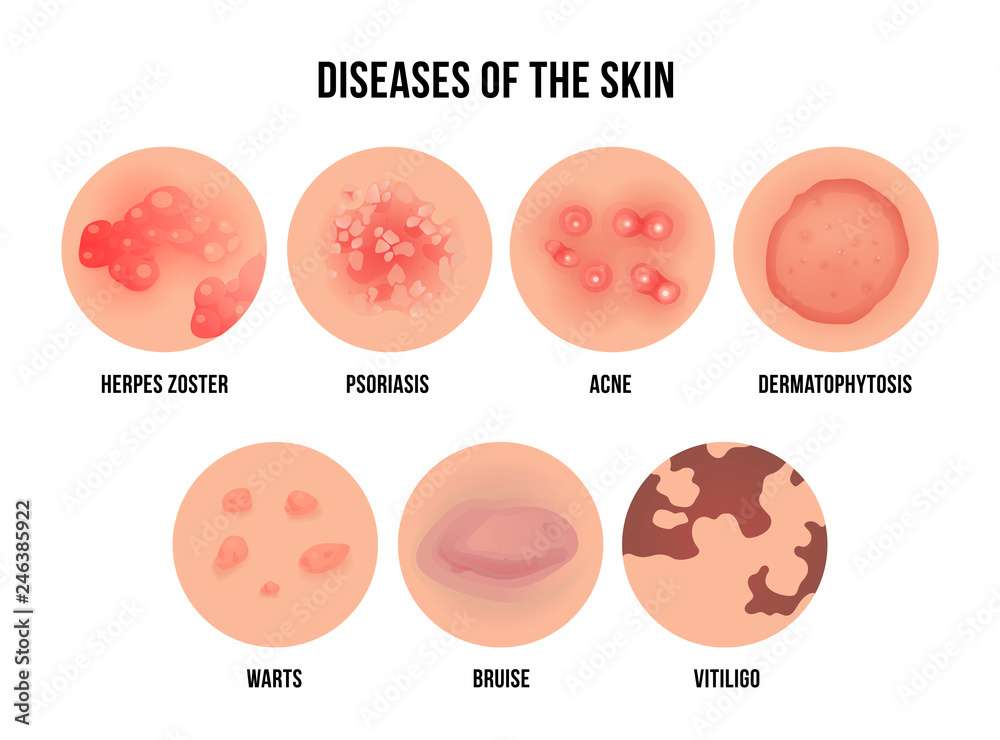
If you are experiencing unexplained symptoms such as sneezing or skin reactions throughout seasonal changes - it could be due allergy-related issues needing exploration through allergy testing methods available today!< + { < il = ">}}< span = ">
THYROID DISORDERS

The thyroid gland regulates many body processes including metabolism. Disorders such as hypothyroidism or hyperthyroidism can lead to significant health challenges requiring ongoing care.
- Symptoms : Unexplained weight changes, fatigue,outward irritability,cold sensitivity are common signs experienced by those facing thyroid problems .
- Causes : Autoimmune conditions , family history ,or certain medications can provoke these disorders .
- Diagnosis : Comprehensive testing usually involves blood samples measuring hormone levels followed by imaging tests if necessary .
- Treatment : Patients often receive synthetic hormones taken orally aimed at normalizing hormone levels ,while others might require antithyroid drugs .
- What To Expect : Regular follow-up appointments serve critical roles ensuring consistent monitoring ,while patients learn effective ways managing their conditions long-term .
This holistic view towards intervention helps patients rationalize symptoms & guided support enhances quality living .
ASTHMA MANAGEMENT
Asthma is a chronic inflammatory condition affecting airways leading to breathing difficulties. Proper management is essential for minimizing flare-ups and maintaining quality of life.
- Symptoms: Common signs include wheezing, shortness of breath, chest tightness, and persistent coughing especially at night or during exercise.
CHOLESTEROL MANAGEMENT
Managing cholesterol levels is vital for maintaining cardiovascular health. Dyslipidemia can increase the risk for heart disease and stroke if not addressed promptly.
- Symptoms: High cholesterol usually does not present symptoms; thus it’s often discovered through routine blood tests.
- Causes: Factors include poor diet (high in saturated fats), lack of exercise, smoking habits, and genetic predispositions.
- Diagnosis: Physicians conduct lipid panels measuring LDL (bad cholesterol) and HDL (good cholesterol) levels in the bloodstream as part of regular health assessments.
- Treatment: Lifestyle modifications such as improved diet choices (increased fiber), exercise regimens, and medications like statins may be prescribed when necessary.
- What to expect: Regular follow-up appointments will ensure monitoring of cholesterol levels ensuring they remain within healthy ranges over time.
A comprehensive approach encourages cardiovascular well-being while minimizing associated risks.
DIABETES MANAGEMENT

Diabetes is a metabolic disorder characterized by elevated blood sugar levels due to insulin issues. It can lead to significant health complications if not properly managed over time.
- Symptoms: Increased thirst, frequent urination, fatigue, and blurred vision are common indicators of diabetes.
- Causes: Type 1 diabetes is related to genetics while Type 2 is often linked to obesity and sedentary lifestyles.
- Diagnosis: Routine screening includes fasting blood glucose tests or HbA1c assessments measuring average blood sugar over several months.
- Treatment: Management strategies include dietary changes, physical activity, monitoring blood sugar levels, and medication or insulin therapy as needed.
- What to expect: With proper treatment plans in place, individuals can lead active lives while effectively controlling their diabetes.
The journey involves education about the condition for better self-management practices.
HYPERTENSION
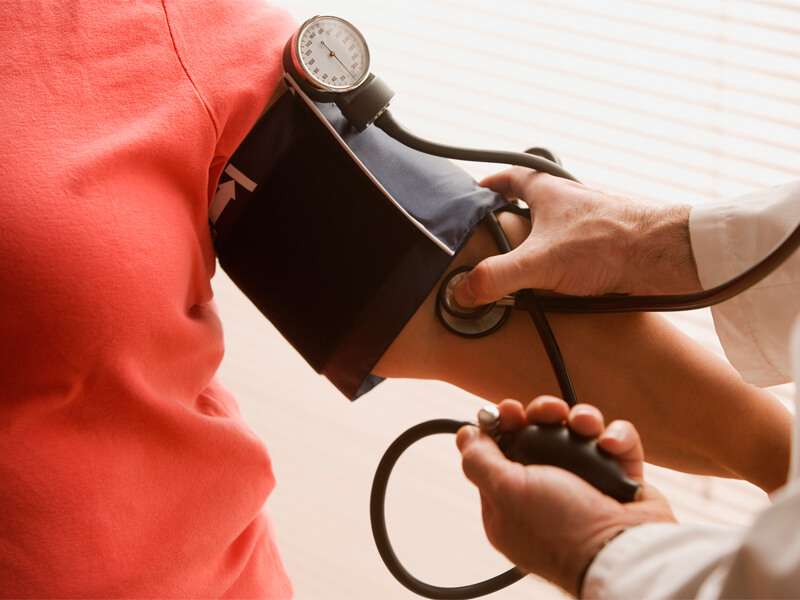
Hypertension, or high blood pressure, is a chronic condition that can have serious health implications if left unmanaged. It often develops slowly over many years and can be triggered by various factors, including lifestyle choices and genetic predisposition.
- Symptoms: Most individuals with hypertension do not experience noticeable symptoms, which is why it is often called the 'silent killer.'
- Causes: Factors that contribute to hypertension include obesity, lack of physical activity, excessive salt intake, and chronic stress.
- Diagnosis: Blood pressure readings taken during regular check-ups are essential for early detection. A reading consistently above 130/80 mmHg indicates hypertension.
- Treatment: Management may involve lifestyle changes such as diet modifications and exercise. Medication may also be prescribed to help control blood pressure levels.
- What to expect: Regular monitoring and adjustments to treatment plans are crucial for maintaining healthy blood pressure levels and reducing the risk of complications like heart disease.
With proactive management and adherence to recommended treatments, individuals can effectively keep their hypertension under control.