
Dr Rajan T D
About Me
Dr Rajan T D
Dermatologist
Biography
My Clinic
OPD Hours
| Tuesday | Morning | 10:00 AM | - | 02:00 PM |
| Evening | 06:00 PM | - | 09:00 PM | |
| Wednesday | Morning | 10:00 AM | - | 02:00 PM |
| Evening | 06:00 PM | - | 09:00 PM | |
| Thursday | Morning | 10:00 AM | - | 02:00 PM |
| Evening | 06:00 PM | - | 09:00 PM | |
| Friday | Morning | 10:00 AM | - | 02:00 PM |
| Evening | 06:00 PM | - | 09:00 PM | |
| Saturday | Morning | 10:00 AM | - | 02:00 PM |
| Evening | 06:00 PM | - | 09:00 PM | |
| Sunday | Morning | 10:00 AM | - | 02:00 PM |
| Evening | 06:00 PM | - | 09:00 PM | |
| Thursday | Morning | 10:00 AM | - | 02:00 PM |
| Evening | 06:00 PM | - | 09:00 PM |
Treatments
Specialised care and treatments offered
WART REMOVAL
A wart is a benign growth on the skin caused by human papillomavirus (HPV) infection. These growths commonly appear on hands and feet but can emerge anywhere on the body as well.
- Symptoms typically manifest as small rough elevations that resemble cauliflower-like appearances with possible tenderness upon contact .
- Direct contact spreads HPV; however , certain individuals possess greater susceptibility based upon immune response levels .
- Initial diagnosis frequently derives solely from visual inspection ; biopsies might be conducted if atypical characteristics present themselves .
- Treatment approaches encompass cryotherapy , topical treatments or laser therapy contingent upon wart size / location preferences .
- Success rates tend toward high if therapies applied correctly according to clinician guidance !
Addressing warts not only fosters comfort physically , but emphasizes self-assurance within social contexts too !
HYPERPIGMENTATION
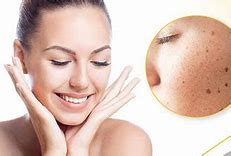
This condition results in darker patches of skin due to an excess production of melanin. Hyperpigmentation may occur in localized areas or across larger regions of the body due to various underlying factors.
- The primary symptoms, which vary widely among individuals, include uneven skin tone or dark spots appearing on sun-exposed areas like the face or hands.
- Main causes range from sun exposure and hormonal changes (such as pregnancy) to post-inflammatory responses from conditions like acne or cuts.
- Dermatologists often diagnose hyperpigmentation through clinical evaluation alongside patient history regarding previous skincare habits.
- Treatment options might feature topical lightening agents combined with protective measures against UV exposure; chemical peels may also help improve appearance over time.
- Consistency in treatment routines yields significant results for many affected individuals striving for more even complexion.
When approached holistically , hyperpigmented areas can see substantial reduction leading towards improved confidence .
ROSACEA
Rosacea is a common skin disorder characterized by facial redness, swelling, and sometimes pustules. It primarily affects adults but can manifest in various ways across different ages.
- Main symptoms include persistent redness around the cheeks and nose, visible blood vessels, and in some cases burning sensations on the skin surface.
- The causes remain unclear but are thought to involve hereditary factors as well as lifestyle triggers such as extreme temperatures or spicy foods.
- A dermatologist typically diagnoses rosacea by evaluating the exterior symptoms presented on the face during an examination.
- Treatments may involve topical agents or oral antibiotics; lifestyle adjustments are also recommended to mitigate flare-ups if triggered by environmental factors.
With correct management strategies implemented diligently, individuals can manage rosacea effectively while achieving clear complexion goals over time.
PSORIASIS
Psoriasis is an autoimmune condition that accelerates skin cell growth, leading to thickened patches of skin that can be red and scaly. It is a chronic disease that requires ongoing management.
- The main symptoms include raised patches covered with silvery scales often found on the elbows and knees.
- The exact causes are not fully understood but involve immune system dysregulation along with genetic susceptibility.
- Diagnosis is generally based on physical examination; occasionally a biopsy may be required for confirmation.
- Treatment options include topical ointments, systemic medications, or phototherapy depending on severity.
- Persistent treatment can lead to significant improvement in quality of life for those affected.
A comprehensive care plan tailored to individual needs can greatly reduce flare-ups associated with psoriasis.
ECZEMA
Eczema is a chronic condition characterized by inflamed skin causing itchiness and redness. It can occur at any age but is particularly prevalent in children.
- Common symptoms include dry patches, severe itching, and rashes that may ooze or crust over.
- The causes are often multifactorial, including genetic influences and environmental triggers like allergens or irritants.
- A healthcare provider usually makes a diagnosis through visual inspection along with patient-reported symptoms.
- Treatment often involves using moisturizers regularly along with topical corticosteroids to manage flare-ups.
- With consistent care and avoiding triggers, many patients find relief from symptoms over time.
Understanding eczema leads to better management strategies for long-term comfort.
ACNE
Acne is a common skin condition that occurs when hair follicles become clogged with oil and dead skin cells. It often presents during adolescence but can affect individuals of any age.
- Symptoms include pimples, blackheads, and cysts predominantly on the face, back, and shoulders.
- The condition is primarily caused by hormonal changes, excess oil production, and bacteria.
- Diagnosis typically involves a physical examination and may include a review of the patient’s medical history.
- Treatment options range from topical medications to lifestyle modifications like diet changes and stress management.
- Patients can expect gradual improvement with appropriate management strategies over time.
With patience and the right approach, acne can be effectively controlled, leading to clearer skin.