
Dr Rajas Patel
About Me
Dr Rajas Patel
Oncologist
Biography
My Clinic
OPD Hours
| Tuesday | Morning | 10:00 AM | - | 02:00 PM |
| Evening | 06:00 PM | - | 09:00 PM | |
| Wednesday | Morning | 10:00 AM | - | 02:00 PM |
| Evening | 06:00 PM | - | 09:00 PM | |
| Thursday | Morning | 10:00 AM | - | 02:00 PM |
| Evening | 06:00 PM | - | 09:00 PM | |
| Friday | Morning | 10:00 AM | - | 02:00 PM |
| Evening | 06:00 PM | - | 09:00 PM | |
| Saturday | Morning | 10:00 AM | - | 02:00 PM |
| Evening | 06:00 PM | - | 09:00 PM | |
| Sunday | Morning | 10:00 AM | - | 02:00 PM |
| Evening | 06:00 PM | - | 09:00 PM | |
| Thursday | Morning | 10:00 AM | - | 02:00 PM |
| Evening | 06:00 PM | - | 09:00 PM |
Treatments
Specialised care and treatments offered
MINIMALLY INVASIVE SURGERY
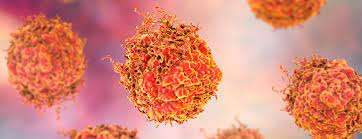
This surgical strategy aims at reducing recovery times while effectively addressing tumors through smaller incisions compared to traditional methods. Such approaches enhance patient outcomes significantly across various malignancies encountered by oncologists today.
- Symptoms/causes: Indicated when tumors develop but are confined without extensive surrounding tissue involvement enabling surgical intervention with reduced invasiveness routinely employed nowadays
- Diagnosis: Comprehensive evaluation using imaging modalities facilitates surgical planning thereby ensuring thorough inspections prior implementation
- Treatment options: Several innovative techniques exist including laparoscopic procedures guiding accurate tumor resections promoting swift healing timelines among patients
- What to expect: Post-surgery typically leads less pain than conventional surgeries enhancing recovery rates allowing quick returns towards one's daily activities
The incorporation of minimally invasive surgery marks a pivotal moment within oncologic practices assuring better results without compromising effectiveness at every stage throughout care pathways
ENDOSCOPIC ULTRASOUND (EUS)
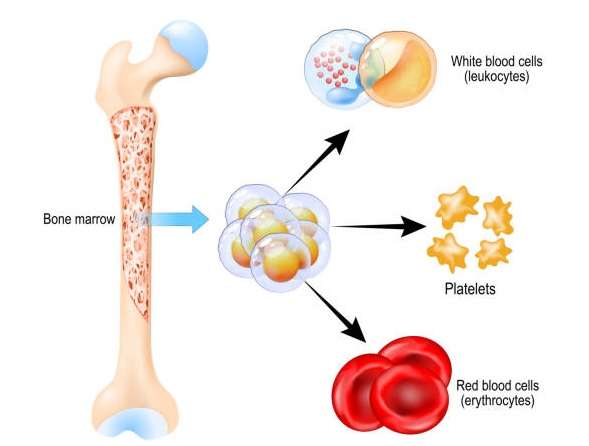
This procedure combines endoscopy and ultrasound techniques allowing doctors to gain detailed images of internal structures. EUS aids in diagnosing conditions affecting areas not easily accessible by traditional imaging alone.
- Symptoms/causes: Typically performed when there are indications of gastrointestinal tumors presenting signs such as unexplained weight loss or persistent abdominal pain.
- Diagnosis: This technique assists in evaluating masses located near organ boundaries; biopsies can be conducted during EUS leading toward a more definitive diagnosis if needed.
- Treatment options: Besides diagnosis purposes, therapeutic interventions such as drainage procedures can also be executed through an endoscope guided by ultrasound insights.
- What to expect: Patients usually receive mild sedation during EUS resulting in minimal discomfort while observing routine post-procedure assessments ensuring swift recovery afterward.
The proficiency exhibited through EUS highlights its role as an indispensable tool available within oncologic assessments today.
IMMUNOTHERAPY

This revolutionary treatment leverages the body's immune system to fight cancer. Immunotherapy enhances the immune response against tumors by using substances made by the body or in a lab to boost immune function.
- Symptoms/causes: Indicated for various cancers including melanoma and lung cancer, it triggers an immune response against abnormal cells that evade detection by the body’s defenses.
- Diagnosis: Identifying suitable candidates involves specific biomarkers through blood tests or tissue samples that reveal immune interactions with tumors.
- Treatment options: Strategies range from checkpoint inhibitors to CAR T-cell therapy redesigning T-cells to combat malignancies effectively.
- What to expect: While some patients experience flu-like symptoms initially due to heightened immune activity, others might see substantial benefits with minimal side effects overall.
This modality signifies a new era in treating cancers by empowering patients' own defenses against disease processes where conventional methods fall short.
TARGETED THERAPY
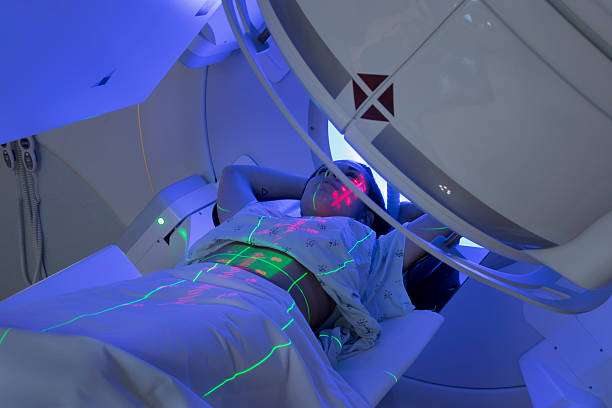
Targeted therapy aims at specific molecules involved in cancer growth. Unlike traditional treatments that affect all rapidly dividing cells, this approach selectively targets cancerous cells while sparing normal ones.
- Symptoms/causes: Generally applied based on genetic mutations found in certain cancers; these mutations guide the selection of appropriate targeted agents.
- Diagnosis: Molecular testing is crucial to identify eligible candidates for this innovative form of therapy.
- Treatment options: Options may include monoclonal antibodies or small molecule inhibitors tailored to disrupt pathways critical for cancer cell survival and proliferation.
- What to expect: Patients often experience fewer side effects than traditional therapies; however, monitoring for unique adverse reactions related to targeted agents is necessary.
This approach represents a significant advancement in personalized medicine within oncology practices today.
RADIATION THERAPY
This therapeutic approach utilizes high-energy rays to target and destroy cancer cells. Radiation therapy can be used as the main treatment or adjuvantly after surgery.
- Symptoms/causes: It may be indicated for localized cancers that haven't spread significantly yet may present symptoms like localized pain or swelling.
- Diagnosis: Imaging tests such as CT scans or MRIs help pinpoint tumor locations accurately for effective treatment planning.
- Treatment options: Techniques include external beam radiation and brachytherapy; the choice hinges on tumor type and location.
- What to expect: Side effects might include skin irritation and fatigue but are generally transient and can be managed over time.
This minimally invasive technique provides a crucial option for managing various malignancies effectively.
CHEMOTHERAPY
Chemotherapy is a type of cancer treatment that uses powerful drugs to kill cancer cells. This method can be effective in shrinking tumors and managing symptoms, depending on the cancer type and stage.
- Symptoms/causes: Chemotherapy is often used when cancer has spread or is at risk of returning, causing symptoms like pain, fatigue, and weight loss.
- Diagnosis: A thorough assessment, including imaging tests and biopsies, helps determine the suitability of chemotherapy for individual patients.
- Treatment options: Administered intravenously or orally, chemotherapy regimens vary based on specific cancers; it may also be combined with other treatments such as surgery or radiation.
- What to expect: Patients might experience side effects like nausea, hair loss, or increased susceptibility to infections; however, these are typically manageable with supportive care.
This treatment plays a vital role in oncology, providing hope for many patients facing challenging diagnoses.