
Dr Rajat Bhargava
About Me
Dr Rajat Bhargava
MD
Dermatologist
10 Years Experience
Biography
My Clinic
OPD Hours
| Monday | Morning | 10:00 AM | - | 02:00 PM |
| Evening | 06:00 PM | - | 09:00 PM | |
| Tuesday | Morning | 10:00 AM | - | 02:00 PM |
| Evening | 06:00 PM | - | 09:00 PM | |
| Wednesday | Morning | 10:00 AM | - | 02:00 PM |
| Evening | 06:00 PM | - | 09:00 PM | |
| Thursday | Morning | 10:00 AM | - | 02:00 PM |
| Evening | 06:00 PM | - | 09:00 PM | |
| Friday | Morning | 10:00 AM | - | 02:00 PM |
| Evening | 06:00 PM | - | 09:00 PM | |
| Saturday | Morning | 10:00 AM | - | 02:00 PM |
| Evening | 06:00 PM | - | 09:00 PM | |
| Sunday | Morning | 10:00 AM | - | 02:00 PM |
| Evening | 06:00 PM | - | 09:00 PM |
Treatments
Specialised care and treatments offered
AGING SKIN
Aging skin presents unique challenges including loss elasticity dryness fine lines sagging features making individuals seek effective solutions cope with these inevitable changes gracefully!
- Symptoms : Visible signs feature wrinkles dullness uneven pigmentation age spots provide indications aging process affecting dermis epidermis layers !
- Diagnosis : Initially observing concerns during consultation dermatologists utilize tools assess severity recommending customized interventions addressing prominent worries comprehensively!
- Treatment : Strategies incorporate hydrating moisturizers retinoids antioxidants protective elements incorporating healthy lifestyle choices sun avoidance nourishing diets becomes vital choosing procedures favors minimally invasive techniques whenever possible prolong results achieved ensuring satisfaction amongst patients!
Embracing proactive approaches means embracing gradual improvements celebrating natural beauty yet underlying youthful radiance persistently shines through optimum caring practices enhancing confidence elevating overall self-image indefinitely!
ROSACEA
This chronic inflammatory disorder primarily affects facial skin leading towards persistent redness often confused with other dermatological issues initially reported untreated it could worsen significantly!
- Symptoms: Individuals usually experience flushing easily blushing followed by visible blood vessels raised bumps similar to acne sometimes including burning sensations!
- Diagnosis : A detailed assessment by an experienced dermatologist involves assessing symptoms paired with patient history ruling out other possible disorders for accurate identification ensures optimal management strategies tailored accordingly..
- Treatment : Options range anywhere from topical medications focusing anti-inflammatory properties oral antibiotics improving symptom relief laser therapy effectively reducing vascular prominence alongside fostering adequate sun protection measures essential being part adhered daily regimen maintaining good skincare habits consistently!
Understanding how lifestyle factors contribute managing rosacea empowering patients take charge their journeys toward maintaining healthier complexions feels gratifying positive transformations gradually observed promote self-confidence boost mental well-being !
HYPERPIGMENTATION
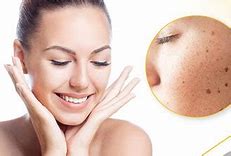
Hyperpigmentation occurs when certain areas of the skin produce too much melanin leading to discolored spots or patches. This common condition can arise from sun exposure or hormonal changes among other causes.
- Symptoms: Darkened patches on areas frequently exposed to sunlight are typical signs; these may appear anywhere on the body but often affect facial regions.
- Diagnosis: A dermatologist will evaluate your skin visually; sometimes additional tests may be done to rule out other conditions such as melanoma if necessary.
- Treatment: Treatments might involve topical lightening agents like hydroquinone as well as chemical peels or laser therapy depending on severity,
and lifestyle choices such as daily sunscreen use help prevent further darkening too!
This progressive approach allows individuals suffering from hyperpigmentation to achieve clearer more even-toned complexions safely over time!
ACNE
Acne is one of the most prevalent skin conditions affecting adolescents and adults alike. It results from clogged pores due to excess oil production, dead skin cells, and bacteria.
- Symptoms: Typical manifestations include whiteheads, blackheads, pimples, cysts, or scarring on the face, back, shoulders, or chest.
- Diagnosis: Diagnosis often involves a physical examination by a healthcare provider who assesses the type and severity of acne present.
- Treatment: Effective management may include topical treatments such as benzoyl peroxide or salicylic acid along with oral medications like antibiotics or hormonal therapies when necessary.
- What to expect: With adherence to treatment plans that may take weeks or months for improvement visible results are generally achievable without permanent scarring when managed appropriately.
Lifestyle changes including diet modifications and proper skincare routines also play crucial roles in preventing breakouts.
PSORIASIS
Psoriasis is a chronic autoimmune condition that leads to the rapid growth of skin cells, resulting in thick silvery scales and red patches. This condition goes beyond cosmetic issues; it can significantly impact quality of life.
- Symptoms: Common signs include itchy patches of thickened skin covered with silvery scales. These patches often appear on the elbows, knees, and scalp but can affect any area of the body.
- Diagnosis: Diagnosis is usually based on the appearance of the skin. In some cases, a biopsy may be performed to confirm the condition.
- Treatment: Treatment options vary from topical therapies like corticosteroids and retinoids to systemic medications for more severe cases. Light therapy can also be beneficial.
- What to expect: While psoriasis is a lifelong condition without a cure, various treatments can help manage symptoms effectively and improve overall quality of life.
A personalized approach from skincare routines to medication helps many patients find significant relief from their symptoms.
ECZEMA
Eczema is a common skin condition characterized by inflamed, itchy patches on the skin. It can affect anyone but is particularly prevalent in children. The skin barrier may become compromised, leading to irritation and infection.
- Symptoms: Redness, dryness, and intense itching can occur. Flare-ups may be triggered by allergens, stress, or environmental factors.
- Diagnosis: A healthcare professional typically diagnoses eczema through a physical examination and medical history. Sometimes, allergy tests are conducted to identify specific triggers.
- Treatment: Management options include moisturizing creams, topical corticosteroids, and lifestyle modifications such as avoiding irritants and implementing a consistent skincare routine.
- What to expect: While eczema can be a chronic condition, many individuals find relief with effective management strategies and avoid severe flare-ups over time.
With appropriate care and lifestyle adjustments, those affected by eczema can lead comfortable lives and minimize discomfort.