
Dr Rajeev Bagarh
About Me
Dr Rajeev Bagarh
Cardiologist
Biography
My Clinic
OPD Hours
| Monday | Morning | 10:00 AM | - | 02:00 PM |
| Evening | 06:00 PM | - | 09:00 PM | |
| Tuesday | Morning | 10:00 AM | - | 02:00 PM |
| Evening | 06:00 PM | - | 09:00 PM | |
| Wednesday | Morning | 10:00 AM | - | 02:00 PM |
| Evening | 06:00 PM | - | 09:00 PM | |
| Thursday | Morning | 10:00 AM | - | 02:00 PM |
| Evening | 06:00 PM | - | 09:00 PM | |
| Friday | Morning | 10:00 AM | - | 02:00 PM |
| Evening | 06:00 PM | - | 09:00 PM | |
| Saturday | Morning | 10:00 AM | - | 02:00 PM |
| Evening | 06:00 PM | - | 09:00 PM | |
| Sunday | Morning | 10:00 AM | - | 02:00 PM |
| Evening | 06:00 PM | - | 09:00 PM |
Treatments
Specialised care and treatments offered
PERIPHERAL ARTERY DISEASE

This circulatory disorder involves narrowing arteries due primarily to plaque buildup which insufficiently supplies oxygenated blood—mainly affecting extremities but potentially impacting organs too!
- Main Causes: Similar risk profile affecting coronary artery diseases applies here; diabetes mellitus along tobacco use further exacerbates likelihood increasing progression severity significantly!
- Notable Symptoms: Individuals may report pain/cramps during exertion particularly within leg muscles accompanied by cold sensations/weak pulses within affected limbs.
- Evaluation Techniques: Healthcare professionals utilize Doppler ultrasounds measuring arterial circulation assessing flow efficiency detecting blockages through specific imaging strategies confirming diagnosis accurately therein securing necessary treatment plans efficiently aligning promptly against worsening situations!
- Potential Treatment Avenues: Risk modifications plus tailored exercise regimens combined alongside statins prescribed enhancing lower cholesterol based approaches while addressing clot prevention measures through antiplatelet agents promoted greatly positively impact positive prognoses achieved successfully!
Persistent engagement empowers sustained lifestyle adaptations fortifying vascular health improving patient lives satisfactorily navigating peripheral artery disease challenges ahead fearlessly together towards brighter futures!
VALVULAR HEART DISEASE
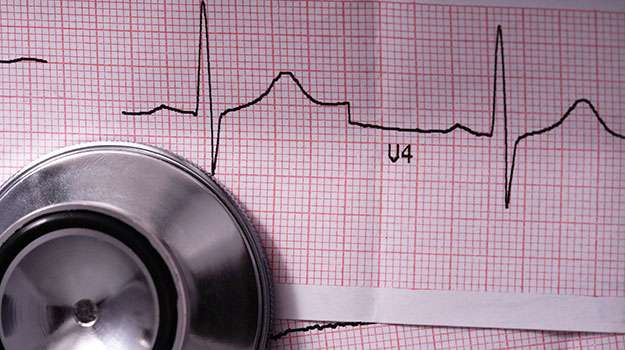
This condition involves damage or defect in one of four valves that regulate blood flow through the heart. Conditions affecting valves may cause them not to open fully (stenosis) or leak (regurgitation).
- Causation Factors: Age-related degeneration & infections including rheumatic fever pose risks impacting valve functionality.
- Common Symptoms: Patients might face unusual fatigue levels accompanied by shortness of breath & swelling around legs / abdomen.
- Diagnostic Approach: Diagnostic imaging methods including echocardiogram assist healthcare providers identifying valve alterations accurately.
- Management Strategies: Interventions range from monitoring mild cases; surgical repairs/replacements recommended for severe instances yielding better outcomes long-term.
Pursuing diligent care allows timely identification enabling interventions enhancing survival rates associated with valvular diseases significantly!
ARRHYTHMIAS
An arrhythmia refers to an irregular heartbeat that can manifest as too fast (tachycardia), too slow (bradycardia), or erratic rhythms. While many arrhythmias are harmless, some can lead to complications like stroke or sudden cardiac arrest.
- Symptoms: Symptoms may include palpitations, dizziness, fainting spells, or even chest pain in more severe cases.
- Causes:The triggers for arrhythmias vary widely including electrolyte imbalances, underlying heart conditions, stress levels, and certain medications.
HEART FAILURE
This condition arises when the heart cannot pump sufficient blood to meet the body's needs. Heart failure can affect either side of the heart or both and may be acute or chronic in nature.
- Causes: Common causes include prior heart attacks, hypertension, and other cardiac conditions that damage heart muscles.
- Symptoms: Patients may experience fatigue, shortness of breath during activities or while lying down, and swollen legs/ankles due to fluid retention.
- Diagnosis: Physicians typically conduct physical exams alongside tests such as echocardiograms and blood tests to evaluate heart function.
- Treatment Options: Management consists of lifestyle adjustments along with medications like beta-blockers and diuretics; advanced cases might require devices or surgical intervention.
The goal of treatment is to alleviate symptoms and enhance quality of life while minimizing hospitalizations related to heart failure.
CORONARY ARTERY DISEASE
This condition involves the narrowing or blockage of coronary arteries due to plaque buildup. Over time, reduced blood flow can lead to chest pain or heart attacks.
- Symptoms: Common symptoms include chest discomfort (angina), shortness of breath, fatigue, and in severe cases, heart attack.
- Causes: Risk factors include high cholesterol, smoking, diabetes, and hypertension.
- Diagnosis: Tests such as stress tests, echocardiograms, or angiograms help assess the severity of artery blockages.
- Treatment Options: Lifestyle changes combined with medications can help manage this condition; severe cases may require procedures like angioplasty or bypass surgery.
- What to Expect: Ongoing management is crucial for maintaining heart health and preventing complications from this disease.
A comprehensive treatment plan tailored specifically for you can help reverse the effects of coronary artery disease.
HYPERTENSION
Hypertension, commonly known as high blood pressure, is a chronic condition that can lead to serious health issues if left untreated. It often develops over many years and may not present any noticeable symptoms initially.
- Causes: Factors contributing to hypertension include poor diet, lack of physical activity, obesity, and genetics.
- Symptoms: While it is often asymptomatic, some individuals may experience headaches or nosebleeds.
- Diagnosis: Blood pressure is measured using a sphygmomanometer; multiple readings are typically taken on different occasions to confirm diagnosis.
- Treatment Options: Management includes lifestyle changes such as diet modification and exercise, alongside medications like ACE inhibitors or diuretics when necessary.
- What to Expect: Regular monitoring and follow-ups with a healthcare provider are essential for effectively controlling blood pressure levels.
Your proactive approach in managing hypertension can significantly improve your overall health and reduce the risk of heart disease.