
Dr Rajeev Bhargav
About Me
Dr Rajeev Bhargav
MS
Orthopaedic Surgeons
10 Years Experience
Biography
My Clinic
OPD Hours
| Monday | Morning | 10:00 AM | - | 02:00 PM |
| Evening | 06:00 PM | - | 09:00 PM | |
| Tuesday | Morning | 10:00 AM | - | 02:00 PM |
| Evening | 06:00 PM | - | 09:00 PM | |
| Wednesday | Morning | 10:00 AM | - | 02:00 PM |
| Evening | 06:00 PM | - | 09:00 PM | |
| Thursday | Morning | 10:00 AM | - | 02:00 PM |
| Evening | 06:00 PM | - | 09:00 PM | |
| Friday | Morning | 10:00 AM | - | 02:00 PM |
| Evening | 06:00 PM | - | 09:00 PM | |
| Saturday | Morning | 10:00 AM | - | 02:00 PM |
| Evening | 06:00 PM | - | 09:00 PM | |
| Sunday | Morning | 10:00 AM | - | 02:00 PM |
| Evening | 06:00 PM | - | 09:00 PM |
Treatments
Specialised care and treatments offered
PLANTAR FASCIITIS
This foot condition causes heel pain resulting from inflammation of the thick band of tissue (plantar fascia) running across the bottom of your foot. Plantar fasciitis often strikes those who spend extended amounts standing or have flat feet/high arches that alter biomechanics while walking/running; however anyone can develop it regardless of activity levels!
- The hallmark symptom is stabbing heel pain experienced during first steps after waking up which gradually decreases with movement throughout the day;
HERNIATED DISC

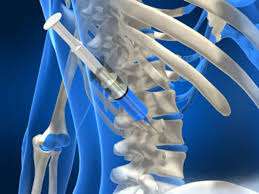
A herniated disc happens when one of the rubbery cushions (discs) between vertebrae ruptures or slips out of place. This condition can occur at any level of the spine but often manifests as back pain radiating down into limbs due to nerve compression.
- Sufferers might experience severe pain, numbness, or muscle weakness depending on affected nerves respectively.
- Diagnosis involves detailed physical examinations followed by advanced imaging techniques such as MRI scans if required.
- Treatment typically begins conservatively with rest alongside oral medications focused on pain relief before considering more invasive methods if symptoms persist.
- Surgical intervention may be needed for patients with significant neurological deficits caused by prolonged compression without adequate improvement from conservative measures.
Early attention towards managing herniated discs dramatically improves recovery prospects while enhancing functional capabilities post-treatment.
CARPAL TUNNEL SYNDROME

This common condition occurs when pressure on the median nerve leads to numbness and tingling in the hand. It often arises due to repetitive wrist movements or conditions such as diabetes or arthritis.
- Main symptoms include painful sensations in fingers, weakness in grip strength, and nighttime discomfort that interrupts sleep patterns.
- A comprehensive evaluation involving history-taking and nerve conduction studies assists in confirming diagnosis accurately.
- Initial management may encompass activity modification, wrist splints for support, anti-inflammatory medications, or steroid injections for inflammation control.
- If conservative treatments fail to provide relief after extensive assessment periods, surgery may be suggested to relieve pressure on the median nerve effectively.
Catching carpal tunnel syndrome early can lead to better treatment outcomes for long-term hand function preservation.
TENDONITIS

Tendonitis is an inflammation or irritation of a tendon, often resulting from overuse injuries. It frequently occurs in athletes but can also affect anyone engaged in repetitive motions throughout their day-to-day routines.
- The most common symptoms are pain, swelling, and tenderness around the affected area.
- A thorough evaluation including physical exams and imaging studies helps confirm the diagnosis effectively.
- Treatment strategies aim at relieving pain through rest, ice application, anti-inflammatory medications, and stretching exercises.
- In persistent cases, corticosteroid injections may be considered for symptom relief.
- Patients should follow a structured recovery plan to prevent re-injury during activities.
Attention to proper technique during movements plays an important role in preventing tendonitis from recurring.
ROTATOR CUFF INJURY

A rotator cuff injury refers to any damage to the group of muscles and tendons stabilizing the shoulder. This type of injury is prevalent among athletes and individuals involved in repetitive overhead activities.
- Symptoms may include shoulder pain, difficulty lifting the arm, or a sensation of weakness.
- Diagnosis is made through clinical assessments combined with imaging techniques like MRI or ultrasound.
- Treatment usually includes rest, physical therapy, corticosteroid injections, or surgery depending on the severity of the injury.
- Surgical options might involve arthroscopic repair of damaged tendons for severe cases.
- Pain management strategies are crucial in fostering recovery and restoring shoulder function.
manual rehabilitation is key in returning to daily activities and enhancing overall strength after a rotator cuff injury.
OSTEOARTHRITIS

Osteoarthritis is a degenerative joint disease that affects millions globally, primarily targeting the cartilage that cushions joints. This condition can limit mobility and cause significant discomfort over time.
- Common symptoms include joint pain, stiffness, and decreased flexibility.
- Diagnosing osteoarthritis typically involves a physical examination, patient history, and imaging tests like X-rays.
- Treatment options often focus on pain management through medications, physical therapy, and lifestyle modifications.
- In severe cases, orthopedic surgeons may recommend surgical procedures such as joint replacement.
- Patients can expect a tailored treatment plan aimed at improving joint function and reducing pain.
A comprehensive approach to managing osteoarthritis can significantly enhance quality of life for those affected by this condition.