
Dr Rajeev Kasliw
About Me
Dr Rajeev Kasliw
ENDOCRINOLOGIST
Biography
My Clinic
OPD Hours
| Monday | Morning | 10:00 AM | - | 02:00 PM |
| Evening | 06:00 PM | - | 09:00 PM | |
| Tuesday | Morning | 10:00 AM | - | 02:00 PM |
| Evening | 06:00 PM | - | 09:00 PM | |
| Wednesday | Morning | 10:00 AM | - | 02:00 PM |
| Evening | 06:00 PM | - | 09:00 PM | |
| Thursday | Morning | 10:00 AM | - | 02:00 PM |
| Evening | 06:00 PM | - | 09:00 PM | |
| Friday | Morning | 10:00 AM | - | 02:00 PM |
| Evening | 06:00 PM | - | 09:00 PM | |
| Saturday | Morning | 10:00 AM | - | 02:00 PM |
| Evening | 06:00 PM | - | 09:00 PM | |
| Sunday | Morning | 10:00 AM | - | 02:00 PM |
| Evening | 06:00 PM | - | 09:00 PM |
Treatments
Specialised care and treatments offered
HYPOPITUITARISM
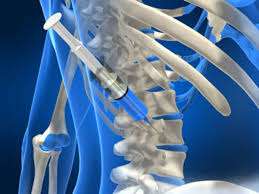
This rare condition involves insufficient hormone production from the pituitary gland affecting multiple body systems. Understanding its signs helps in prompt diagnosis and treatment initiation.
- Symptoms : Fatigue , weight loss , reduced libido , altered menstrual cycles are typical signs indicating hypopituitarism may be at play .
- Diagnosis : Diagnosis usually relies upon comprehensive blood work assessing hormone panels alongside imaging studies such as MRI scans targeting the pituitary gland .
- Treatment Options : Patients often benefit from hormonal replacement therapies tailored towards addressing deficient hormones based on individual assessments .
ADRENAL INSUFFICIENCY

This condition occurs when the adrenal glands do not produce sufficient hormones. It can have far-reaching effects on various bodily functions that require hormonal regulation.
- Causes: Primary adrenal insufficiency (Addison's disease) or secondary causes from pituitary gland dysfunction can lead to this condition.
- Symptoms : Fatigue, muscle weakness, low blood pressure, weight loss are common symptoms experienced by individuals with adrenal insufficiency.
- Diagnosis : Blood tests measuring cortisol levels along with ACTH stimulation tests are utilized for diagnosing this disorder.
- Treatment Options : Patients may be treated with synthetic glucocorticoids to compensate for the lack of hormones produced by the adrenal glands.
Effective management requires lifelong treatment plans tailored specifically according to individual needs while ensuring routine follow-ups for monitoring overall health.
POLYCYSTIC OVARY SYNDROME (PCOS)

PCOS is a hormonal disorder affecting women of reproductive age that can lead to various health issues if not managed properly. Understanding its implications is crucial for effective treatment.
- Symptoms: Irregular menstrual cycles, excess hair growth (hirsutism), acne, and weight gain are common symptoms associated with PCOS.
- Diagnosis: Diagnosis often involves ultrasound imaging along with blood tests measuring hormone levels.
- Treatment Options: Treatment may include lifestyle modifications like diet changes, exercise routines, birth control pills for regulating periods or fertility treatments if pregnancy is desired.
A multifaceted approach can significantly improve quality of life for those affected by PCOS through symptom management and long-term care strategies.
OSTEOPOROSIS SCREENING

Osteoporosis is a condition characterized by weak bones that are more susceptible to fractures. Early detection through screening is key to prevention and management.
- Risk Factors: Age, family history, low calcium intake, and certain medications can increase the risk of developing osteoporosis.
- Screening Methods: A bone density test (DEXA scan) is commonly used to assess bone strength and density.
- Treatment Options: Options include calcium supplements, vitamin D, bisphosphonates, or hormone therapy based on individual needs.
- Lifestyle Changes: Engaging in weight-bearing exercises and ensuring adequate nutrition can support bone health.
Scheduling regular screenings can lead to timely interventions that help maintain bone integrity as you age.
THYROID DISORDERS

Thyroid disorders can significantly affect metabolism and overall health. The thyroid gland plays a critical role in hormone production which regulates various bodily functions.
- Symptoms: Symptoms can vary widely but may include weight changes, mood swings, and fatigue depending on whether the gland is underactive or overactive.
- Diagnosis: Blood tests measuring TSH (Thyroid Stimulating Hormone) levels help in diagnosing these conditions.
- Treatment Options: Treatments may involve medications to normalize hormone levels, radioactive iodine treatment, or surgery in specific cases.
- Follow-Up Care: Regular monitoring of thyroid hormone levels is essential after diagnosis for optimal health outcomes.
A thorough understanding of thyroid function is vital for managing disorders effectively and maintaining well-being.
DIABETES MANAGEMENT

Diabetes is a chronic condition that affects how your body uses glucose, an essential energy source. Proper management of diabetes is crucial to prevent complications and maintain a healthy lifestyle.
- Symptoms: Frequent urination, increased thirst, fatigue, and blurred vision are common indicators of diabetes.
- Diagnosis: Doctors typically use blood tests such as fasting blood sugar tests or HbA1c levels to diagnose diabetes.
- Treatment Options: Management may include dietary changes, regular exercise, and medication like insulin or oral hypoglycemics.
- Monitoring: Regular check-ups and continuous glucose monitoring are vital for effective management.
- Complications: Uncontrolled diabetes can lead to serious health issues including cardiovascular disease, kidney problems, and neuropathy.
Effective diabetes management requires education and cooperation between the patient and healthcare provider to ensure the best possible outcomes.