
Dr Rajeev Pachaur
About Me
Dr Rajeev Pachaur
MBBS
Ophthalmologist
10 Years Experience
Biography
My Clinic
OPD Hours
| Monday | Morning | 10:00 AM | - | 02:00 PM |
| Evening | 06:00 PM | - | 09:00 PM | |
| Tuesday | Morning | 10:00 AM | - | 02:00 PM |
| Evening | 06:00 PM | - | 09:00 PM | |
| Wednesday | Morning | 10:00 AM | - | 02:00 PM |
| Evening | 06:00 PM | - | 09:00 PM | |
| Thursday | Morning | 10:00 AM | - | 02:00 PM |
| Evening | 06:00 PM | - | 09:00 PM | |
| Friday | Morning | 10:00 AM | - | 02:00 PM |
| Evening | 06:00 PM | - | 09:00 PM | |
| Saturday | Morning | 10:00 AM | - | 02:00 PM |
| Evening | 06:00 PM | - | 09:00 PM | |
| Sunday | Morning | 10:00 AM | - | 02:00 PM |
| Evening | 06:00 PM | - | 09:00 PM |
Treatments
Specialised care and treatments offered
GLAUCOMA MONITORING
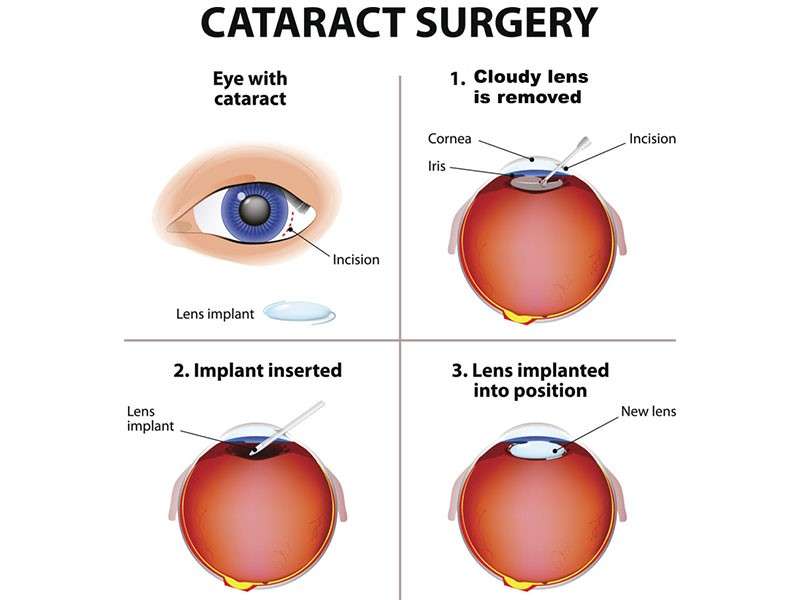
Glaucoma is a group of conditions that cause optic nerve damage often associated with increased intraocular pressure. Early detection through monitoring allows prevention of irreversible vision loss through non-surgical interventions initially in many cases.
AGE-RELATED MACULAR DEGENERATION (LIFESTYLE MANAGEMENT)
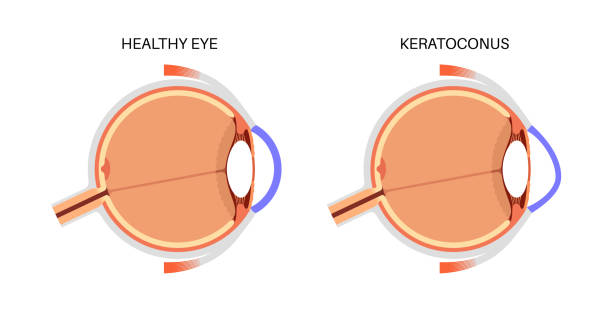
This progressive eye disease affects central vision due to changes in the macula as people age. While medical treatments exist for advanced stages, lifestyle adjustments play a crucial role in slowing progression early on.
- The earliest signs include increased difficulty reading fine print or recognizing faces due to blurring in central vision areas.
- Diagnosis relies on retinal examination using tools like optical coherence tomography (OCT) alongside visual acuity tests for tracking changes over time.
- Nutritional optimization involving diets rich in leafy greens, omega-3 fatty acids, vitamins C & E may help protect retinal cells against oxidative damage contributing to degeneration process.
- Avoidance of smoking drastically reduces risk factors as tobacco accelerates damage progression significantly compared to nonsmokers.'
CONJUNCTIVITIS (PINK EYE)
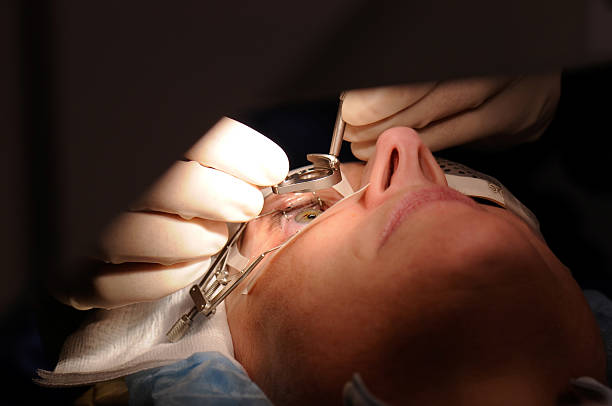
Conjunctivitis is an inflammation of the thin membrane covering the white part of the eyes. It often causes redness and discharge but usually resolves with timely management depending on its cause.
- The condition presents with red or pink eyes accompanied by watery or sticky discharge; itching may also occur if allergic in origin.
- An ophthalmological examination distinguishes between viral, bacterial, allergic forms based on symptoms and history; sometimes swab tests are done when infection type is unclear.
- Treatment varies — bacterial types require antibiotic drops while allergic conjunctivitis responds well to antihistamine drops or avoiding allergens.
- Lifestyle measures include good hand hygiene to prevent spread since some types are contagious plus avoiding contact lens use until resolved.
- Mild cases resolve within days but persistent redness or pain warrants further evaluation for more serious conditions like keratitis or glaucoma exacerbation.
A prompt approach combined with maintaining cleanliness aids in speedy recovery from conjunctivitis while minimizing transmission risks where relevant.
COMPUTER VISION SYNDROME
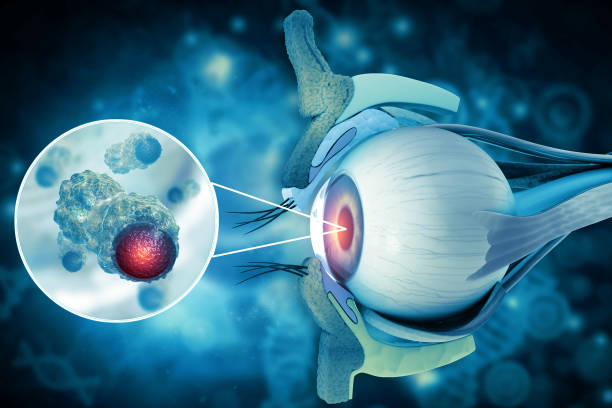
Extended use of digital devices can strain your eyes causing Computer Vision Syndrome (CVS), characterized by discomfort triggered by prolonged screen exposure. Awareness and simple preventive measures can reduce its impact dramatically.
- Symptoms include dry eyes, headaches, blurred vision, neck pain, and difficulty focusing after screen use.
- A detailed history including screen habits helps in diagnosis; sometimes visual acuity tests are performed to rule out underlying refractive errors contributing to symptoms.
- Management includes practicing the 20-20-20 rule: every 20 minutes look at something 20 feet away for 20 seconds to reduce strain.
- Adjusting ambient lighting to minimize glare on screens along with ergonomic workstation settings are important preventive strategies.
- The use of computer glasses with anti-reflective coatings may enhance comfort for heavy users experiencing persistent symptoms despite other measures.
Implementing these strategies helps maintain eye comfort even with frequent digital device usage over long periods.
BLEPHARITIS
This eye condition involves inflammation of the eyelid margins, often causing irritation and crusting. Though uncomfortable, it can usually be managed through simple hygiene practices.
- Common signs include itchy eyelids, flaky skin around the eyes, redness, and a sensation of something in the eye.
- A clinical evaluation by an ophthalmologist assesses eyelid appearance and rules out other infections or conditions.
- The cornerstone of treatment is consistent warm compresses followed by gentle eyelid scrubs using diluted baby shampoo or prescribed cleansers.
- In stubborn cases, short courses of antibiotic ointments or anti-inflammatory medications might be necessary.
- Lifestyle changes such as maintaining good facial hygiene and avoiding eye makeup during flare-ups can prevent recurrence.
Proper eyelid care helps control symptoms effectively and prevents complications related to Blepharitis over time.
DRY EYE SYNDROME
Dry Eye Syndrome is a common condition where the eyes do not produce enough tears or the tears evaporate too quickly, leading to discomfort and vision issues. It can affect daily activities and may worsen without appropriate care.
- Symptoms include burning sensation, redness, blurred vision, and a gritty feeling in the eyes.
- The diagnosis involves a thorough eye exam, including tear film tests like the Schirmer test and ocular surface staining.
- Treatment focuses on lifestyle adjustments such as using humidifiers, avoiding smoke exposure, and taking regular breaks during screen time.
- Artificial tears or lubricating eye drops are commonly recommended to relieve dryness and protect the eye surface.
- In some cases, addressing underlying health conditions or medications that contribute to dryness is essential for effective management.
With consistent care and appropriate treatment, symptoms of Dry Eye Syndrome can be significantly reduced, improving comfort and eye health over time.