
Dr Rajeev Soni
About Me
Dr Rajeev Soni
MBBS
General Physician
Biography
My Clinic
OPD Hours
| Monday | Morning | 10:00 AM | - | 02:00 PM |
| Evening | 06:00 PM | - | 09:00 PM | |
| Tuesday | Morning | 10:00 AM | - | 02:00 PM |
| Evening | 06:00 PM | - | 09:00 PM | |
| Wednesday | Morning | 10:00 AM | - | 02:00 PM |
| Evening | 06:00 PM | - | 09:00 PM | |
| Thursday | Morning | 10:00 AM | - | 02:00 PM |
| Evening | 06:00 PM | - | 09:00 PM | |
| Friday | Morning | 10:00 AM | - | 02:00 PM |
| Evening | 06:00 PM | - | 09:00 PM | |
| Saturday | Morning | 10:00 AM | - | 02:00 PM |
| Evening | 06:00 PM | - | 09:00 PM | |
| Sunday | Morning | 10:00 AM | - | 02:00 PM |
| Evening | 06:00 PM | - | 09:00 PM |
Treatments
Specialised care and treatments offered
ASTHMA MANAGEMENT

Asthma is a chronic respiratory condition that affects airways' ability to function properly. It requires ongoing management to maintain control over symptoms efficiently.
- Symptoms: Symptoms include wheezing, shortness of breath, chest tightness, and persistent cough that worsens at night or early morning.
- Causes:. Various triggers such as allergens, smoke exposure, respiratory infections, and physical activity can exacerbate asthma symptoms dramatically.
HYPERLIPIDEMIA
The condition known as hyperlipidemia involves elevated levels of lipids (fats) in the bloodstream. It's an important factor in cardiovascular health that requires careful attention.
- Symptoms: Hyperlipidemia often has no direct symptoms but increases the risk of heart disease and stroke over time.
- Causes: Poor diet, lack of exercise, obesity, and genetic predispositions contribute significantly to high lipid levels.
- Diagnosis: Routine blood tests are performed to assess cholesterol and triglyceride levels for proper diagnosis of hyperlipidemia.
- Treatment/Management: Treatment includes dietary modifications and regular exercise; medications may also be introduced depending on lipid profiles.
- What to Expect: Ongoing monitoring is vital to ensure that lipid levels remain within target ranges throughout treatment.
Caring for your hypelipidemia means embracing a healthy lifestyle while considering medical guidance for optimal heart health maintenance over time.
DIABETES MANAGEMENT

Diabetes is a chronic condition characterized by elevated glucose levels in the bloodstream. Effective management is essential to prevent complications related to this disease.
- Symptoms: Frequent urination, increased thirst, fatigue, and blurred vision can indicate diabetes.
- Causes: Genetics, sedentary lifestyle, and poor dietary choices are significant risk factors for developing diabetes.
- Diagnosis: Blood tests measuring glucose levels are standard practices for diagnosing diabetes or prediabetes.
- Treatment/Management: Management may include lifestyle changes such as exercise and dietary adjustments, alongside medications or insulin therapy when necessary.
- What to Expect: Continuous monitoring of blood sugar levels is crucial in managing diabetes effectively over time.
A proactive approach to diabetes management plays a critical role in maintaining overall health and preventing complications during the long run.
HYPERTENSION

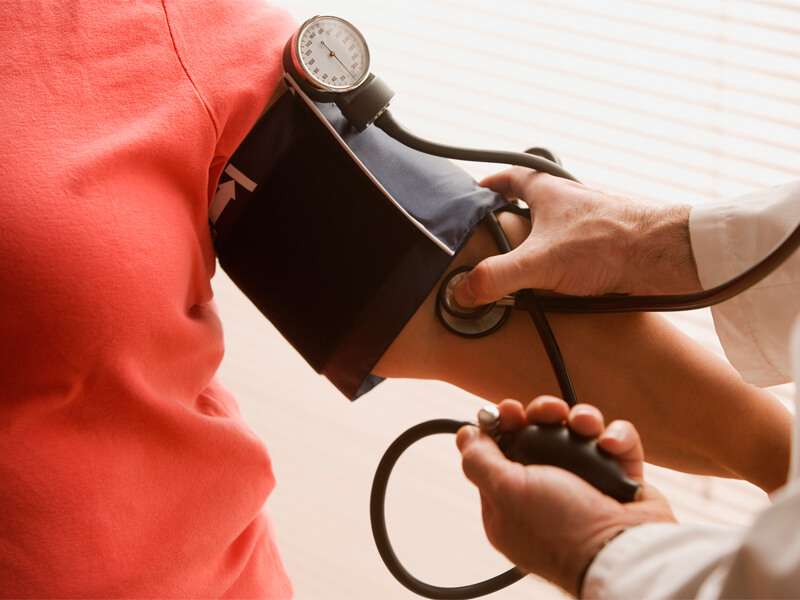
Hypertension, commonly referred to as high blood pressure, is a prevalent health condition affecting millions worldwide. If left unmanaged, it can lead to serious health complications.
- Symptoms: Often called a 'silent killer,' hypertension might not present obvious symptoms initially.
- Causes: Factors such as obesity, excessive alcohol consumption, smoking, and genetics can contribute to its development.
- Diagnosis: A healthcare provider typically diagnoses hypertension through regular blood pressure readings during routine physical exams.
- Treatment/Management: Lifestyle changes like diet and exercise are crucial; medication may also be prescribed when necessary.
- What to Expect: Regular monitoring and adherence to treatment can effectively manage blood pressure levels and reduce health risks.
Understanding hypertension is vital for effective long-term management. Consultation with a physician can help tailor an appropriate treatment plan.