
Dr Rajendra Kumar
About Me
Dr Rajendra Kumar
MBBS
General Physician
Biography
My Clinic
OPD Hours
| Monday | Morning | 10:00 AM | - | 02:00 PM |
| Evening | 06:00 PM | - | 09:00 PM | |
| Tuesday | Morning | 10:00 AM | - | 02:00 PM |
| Evening | 06:00 PM | - | 09:00 PM | |
| Wednesday | Morning | 10:00 AM | - | 02:00 PM |
| Evening | 06:00 PM | - | 09:00 PM | |
| Thursday | Morning | 10:00 AM | - | 02:00 PM |
| Evening | 06:00 PM | - | 09:00 PM | |
| Friday | Morning | 10:00 AM | - | 02:00 PM |
| Evening | 06:00 PM | - | 09:00 PM | |
| Saturday | Morning | 10:00 AM | - | 02:00 PM |
| Evening | 06:00 PM | - | 09:00 PM | |
| Sunday | Morning | 10:00 AM | - | 02:00 PM |
| Evening | 06:00 PM | - | 09:00 PM |
Treatments
Specialised care and treatments offered
WEIGHT MANAGEMENT COUNSELING
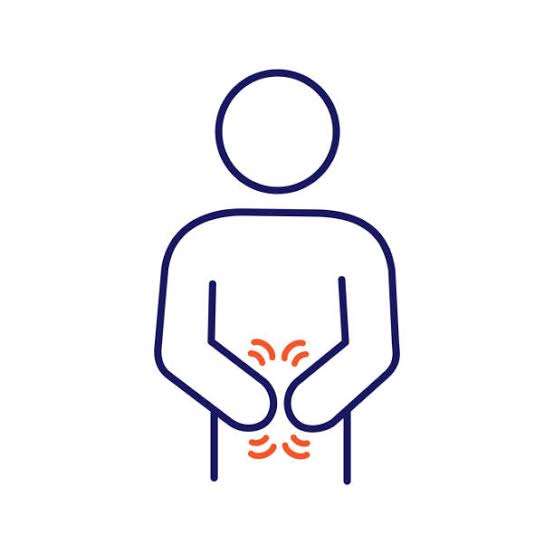
Maintaining a healthy weight is crucial in preventing numerous chronic conditions. Weight management counseling provides patients tailored strategies aimed at achieving their desired weight goals safely.
- Overweight or obesity increases risks for diabetes, heart disease, and joint disorders; these conditions often begin silently without noticeable symptoms
- A thorough assessment including body mass index measurements will help diagnose overweight status accurately during consultations with general physicians
- Individualized plans typically outline nutritional education alongside exercise regimens designed specifically for each patient’s lifestyle needs
- Support groups or one-on-one counselling sessions facilitate motivation throughout the journey towards healthier habits
Engaging proactively in weight management not only enhances quality of life but also reduces future medical complications related directly or indirectly to obesity.
CHOLESTEROL MANAGEMENT

High cholesterol levels can contribute significantly to cardiovascular diseases. Cholesterol management is about maintaining healthy levels through diet, lifestyle changes, and sometimes medication when necessary.
- Symptoms may not always be apparent; many people are unaware until diagnosed through routine screening tests
- Routine testing generally happens every 4-6 years or more frequently based on personal risk factors like age or family history
- Lifestyle adjustments include consuming a heart-healthy diet rich in fruits, vegetables, whole grains while avoiding saturated fats
- When required, medications like statins may lower cholesterol effectively under physician guidance
Regular monitoring allows timely adjustments in treatment plans leading towards optimal cardiovascular health.
PREVENTIVE VACCINATIONS
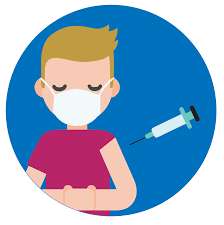
Vaccinations play an essential role in preventive healthcare by safeguarding against various infectious diseases. Staying current with vaccinations can significantly reduce the risk of outbreaks within communities.
- Common vaccines include those for influenza, hepatitis B, and tetanus. Symptoms prevented include severe respiratory illness and liver infections among others.
- The general physician will assess your vaccination history during visits to determine which vaccines you need based on age and health status.
- Vaccines work by stimulating the immune system; this process creates antibodies without causing the disease itself.
- Following guidelines for vaccine schedules ensures effective protection throughout life stages from infancy to adulthood
Regular consultations regarding vaccinations encourage public health safety while promoting individual wellness.
ANNUAL HEALTH CHECKUP
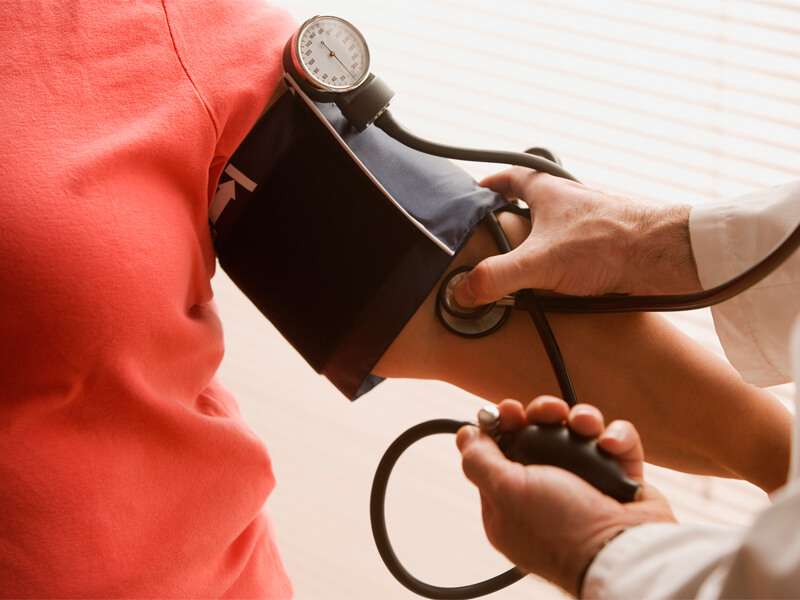
An annual health checkup is a preventive measure aimed at assessing overall health status. It helps identify potential issues before they become serious problems, fostering better long-term health outcomes.
- This examination usually includes physical assessments such as weight checking and cholesterol screenings, along with a review of personal and family medical history.
- Your doctor may recommend routine laboratory tests to evaluate various parameters such as blood sugar levels and kidney function.
- Vaccinations will also be reviewed to ensure you are up to date on essential immunizations necessary for preventing illness.
- The checkup also provides an opportunity for discussing any concerns regarding mental health or lifestyle habits that might affect well-being.
A proactive approach through annual checkups encourages early intervention strategies tailored to individual patient needs.
DIABETES SCREENING

Diabetes is a chronic condition that affects how your body processes blood sugar (glucose). Early detection through screening is vital to prevent diabetes-related complications associated with long-term elevated glucose levels.
- The two primary types are Type 1 and Type 2 diabetes, with symptoms like increased thirst, frequent urination, and fatigue being common signs.
- A simple blood test can determine your blood glucose level. Your general physician may recommend fasting tests for accuracy.
- If diagnosed early, lifestyle modifications including diet changes and exercise can help manage the condition effectively.
- Medications may be prescribed depending on severity. Regular monitoring of glucose levels is crucial for all patients with diabetes.
- An individualized care plan will enhance quality of life and reduce risk factors associated with the disease.
Understanding diabetes management can empower patients to lead fuller lives while minimizing health risks.
HYPERTENSION MANAGEMENT

Hypertension, or high blood pressure, is a common condition where the force of blood against the artery walls is too high. This condition is significant because if left unmanaged, it can lead to severe complications such as heart disease and stroke.
- Symptoms are often absent; however, some individuals may experience headaches or dizziness.
- Diagnosis typically involves repeated measurements of blood pressure during visits to your general physician.
- Treatment includes lifestyle changes such as a healthier diet and regular exercise, alongside medications when necessary.
- Management is ongoing; patients should have regular follow-ups to adjust treatments as needed.
- It's essential to monitor your blood pressure at home and keep track of any symptoms or side effects from medication.
Early detection and consistent management of hypertension are crucial in maintaining cardiovascular health.