
DR Rajendra Kumar
About Me
DR Rajendra Kumar
MBBS
General Physician
10 Years Experience
Biography
My Clinic
OPD Hours
| Monday | Morning | 10:00 AM | - | 02:00 PM |
| Evening | 06:00 PM | - | 09:00 PM | |
| Tuesday | Morning | 10:00 AM | - | 02:00 PM |
| Evening | 06:00 PM | - | 09:00 PM | |
| Wednesday | Morning | 10:00 AM | - | 02:00 PM |
| Evening | 06:00 PM | - | 09:00 PM | |
| Thursday | Morning | 10:00 AM | - | 02:00 PM |
| Evening | 06:00 PM | - | 09:00 PM | |
| Friday | Morning | 10:00 AM | - | 02:00 PM |
| Evening | 06:00 PM | - | 09:00 PM | |
| Saturday | Morning | 10:00 AM | - | 02:00 PM |
| Evening | 06:00 PM | - | 09:00 PM | |
| Sunday | Morning | 10:00 AM | - | 02:00 PM |
| Evening | 06:00 PM | - | 09:00 PM |
Treatments
Specialised care and treatments offered
GASTROESOPHAGEAL REFLUX DISEASE (GERD) TREATMENT
The gastroesophageal reflux disease (GERD) occurs when stomach acid frequently flows back into the esophagus. This backward flow (reflux) irritates the lining of the esophagus leading to discomforts that shouldn't be ignored over time!
- Main symptoms include heartburn sensation after eating while lying down in particular positions triggering considerable discomforts throughout daily activities!
- Diagnosis often entails presenting symptom details followed perhaps by an endoscopic examination if warranted for a clearer perspective too regarding internal workings witnessed over time along those lines.
- Treatment usually encompasses a combination involving dietary adjustments alongside prescription medications alleviating immediate discomforts experienced—antacids being one notable option utilized here!
- Lifestyle modifications easing nighttime reflux occurrences serve significant roles in mitigating recurrent issues affecting quality sleep patterns impacting several aspects positively!
Being diligent about recognizing symptoms ensures prompt consultation toward devising tailored strategies leading effectively towards substantial long-term relief garnered within manageable frameworks suited uniquely per individual case presented accordingly.
RESPIRATORY ILLNESS ASSESSMENT

Respiratory illnesses range from mild conditions like allergies to more severe diseases such as asthma or COPD. Accurate assessment aids in distinguishing between various respiratory issues for effective treatment strategies.
- You might notice symptoms including shortness of breath, wheezing, chest tightness, or persistent cough indicative of underlying respiratory problems.
- A thorough clinical evaluation often includes lung function tests along with thorough history reviews regarding symptom onset and triggers involved with the illness
- Management options might consist of bronchodilators to ease breathing difficulties alongside anti-inflammatory medications to reduce airway inflammation.
- Creating an individualized action plan that includes education about managing triggers helps improve daily life quality significantly.
By partnering closely with your physician when concerns arise about respiratory health,you ensure timely evaluation thus enhancing treatment outcomes for any respiratory condition.
PREVENTIVE HEALTH SCREENINGS
Preventive health screenings are essential for early detection of potential health issues before they become serious. Regular screenings can save lives by identifying risks early on.
- Screenings often focus on conditions like high cholesterol, cancer markers, or liver function tests depending on age and risk factors.
- The process typically involves simple lab tests or imaging studies performed during exams with your physician.
- Treatment follows based on findings; it may involve lifestyle changes or medical interventions as required by detected conditions.
- Your physician will guide you on the appropriate frequency for screenings based on personal health history and family background.
Engaging in preventive care not only improves longevity but enhances overall well-being by addressing concerns proactively before they escalate into more complex issues.
ALLERGY TESTING AND MANAGEMENT
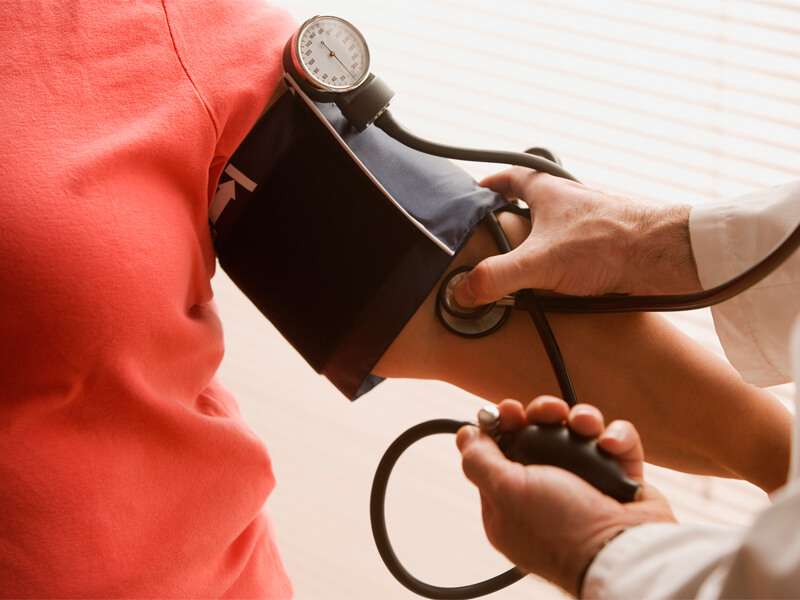
Allergies are reactions triggered by substances known as allergens. Identifying specific allergens through testing is essential for effective management.
- Common allergens include pollen, dust mites, pet dander, and certain foods.
- Allergy testing methods range from skin prick tests to blood tests that identify specific sensitivities.
- Treatment usually involves avoiding triggers and may include antihistamines or corticosteroids to relieve symptoms.
- In some cases, immunotherapy could be recommended to help desensitize the immune system over time.
- Coping strategies such as using air purifiers and keeping windows closed during high pollen seasons can provide relief.
A thorough understanding of your allergies enables better management and improves your daily comfort levels significantly.
DIABETES SCREENING

Diabetes is a chronic condition characterized by elevated blood sugar levels. Early detection through screening is vital for effective management and preventing complications.
- Symptoms of diabetes can include excessive thirst, frequent urination, and fatigue.
- A simple fasting blood glucose test or HbA1c test can confirm diagnosis during routine visits.
- Treatment options may include lifestyle modifications, oral medications, or insulin therapy based on severity.
- Regularly monitoring blood glucose levels helps patients manage their condition effectively.
- Dietary adjustments and physical activity play crucial roles in controlling diabetes symptoms and improving overall health.
Your proactive approach to screening can significantly influence the management of diabetes and enhance your quality of life.
HYPERTENSION MANAGEMENT

Hypertension, or high blood pressure, is a common condition that can lead to serious health problems if left unmanaged. It often has no symptoms, making regular monitoring important for prevention.
- Common causes include obesity, sedentary lifestyle, and genetic predisposition.
- Diagnosis typically involves measuring blood pressure using a sphygmomanometer during routine check-ups.
- Treatment may include lifestyle changes such as diet and exercise, alongside medications like ACE inhibitors or diuretics.
- Monitoring at home can help you keep track of your blood pressure levels regularly.
- Managing stress through techniques like yoga or meditation can also be beneficial.
With proper care and management strategies, individuals can live healthy lives while keeping hypertension under control.