
DR Rajendra Nath
About Me
DR Rajendra Nath
MS
Orthopaedic Surgeons
10 Years Experience
Biography
My Clinic
OPD Hours
| Monday | Morning | 10:00 AM | - | 02:00 PM |
| Evening | 06:00 PM | - | 09:00 PM | |
| Tuesday | Morning | 10:00 AM | - | 02:00 PM |
| Evening | 06:00 PM | - | 09:00 PM | |
| Wednesday | Morning | 10:00 AM | - | 02:00 PM |
| Evening | 06:00 PM | - | 09:00 PM | |
| Thursday | Morning | 10:00 AM | - | 02:00 PM |
| Evening | 06:00 PM | - | 09:00 PM | |
| Friday | Morning | 10:00 AM | - | 02:00 PM |
| Evening | 06:00 PM | - | 09:00 PM | |
| Saturday | Morning | 10:00 AM | - | 02:00 PM |
| Evening | 06:00 PM | - | 09:00 PM | |
| Sunday | Morning | 10:00 AM | - | 02:00 PM |
| Evening | 06:00 PM | - | 09:00 PM |
Treatments
Specialised care and treatments offered
TENDON REPAIR SURGERY
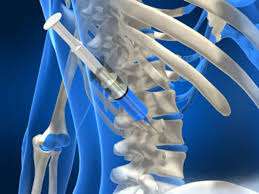
Tendon repair surgery is necessary when tendons have been torn due to injury. It aims at restoring functionality by reconnecting tissue either partially or fully depending on severity levels encountered upon evaluation post-injury stage undertaken based through effective diagnostic modalities deployed post-injury stage undertaken whereby assessment used verifying always handled thoroughly assessing potential needs addressed comprehensively thereafter finding best solution suitable aligned future management goals expected achieved anticipated outcomes apply moving forth.
ANKLE FRACTURE SURGERY

Ankle fractures can occur due to falls, sports injuries, or accidents. When non-surgical treatment options fail or if there’s significant displacement of bones, surgical intervention may be required to restore normal function effectively.
- Mild Symptoms: Patients typically complain about swelling tenderness around the ankle combined with difficulty bearing weight on the affected limb.
SPINAL FUSION

This surgical technique seeks to merge two or more vertebrae in the spine into a single solid bone unit. Spinal fusion is essential for treating various spinal disorders that cause instability or severe pain.
- Causative Conditions: Issues like degenerative disc disease, scoliosis, or previous spinal injuries may necessitate this intervention due to relentless discomfort or compromised functionality.
- Symptoms Indicating Need: Patients often report chronic back pain that limits daily activities alongside possible numbness or weakness in limbs depending on nerve involvement.
- Surgical Techniques: Surgeons may use bone grafts combined with metal rods or screws for stabilization during recovery; minimally invasive methods are available as well.
A successful spinal fusion can substantially enhance overall quality of life by alleviating persistent pain associated with spinal instability.
ROTATOR CUFF SURGERY

This surgical procedure addresses tears in the rotator cuff tendons in the shoulder. These tears can lead to severe pain and restricted motion if left untreated. Surgical intervention may be necessary for complete recovery in some cases.
- Symptoms: Look out for persistent shoulder pain that worsens during activity or at night along with weakness when lifting objects.
- Diagnosis: Orthopedic specialists usually conduct physical exams alongside imaging tests like ultrasound or MRI scans to confirm the injury's extent.
- Surgical Options: Repair techniques vary but often involve reattaching torn tendons using anchors or sutures through small incisions for minimal disruption to surrounding tissues.
- Post-Operative Care: Recovery involves a structured rehabilitation program focused on gradually restoring range of motion and strength over several months.
The success rates for this surgery are high, enabling many patients to return to their usual activities comfortably.
TOTAL HIP REPLACEMENT

Total hip replacement is an advanced surgical procedure designed to replace damaged hip joints with artificial implants. It is often recommended for individuals suffering from severe arthritis or other debilitating hip conditions.
- Causes: Conditions leading to dysfunction include osteoarthritis, rheumatoid arthritis, and traumatic injuries that impair joint function.
- Symptoms: Patients frequently report chronic pain in the hip area, stiffness during movement, and decreased mobility.
- Treatment Approach: The surgery involves removing the damaged bone and cartilage before inserting a prosthetic joint that replicates natural hip movement.
- Recovery Process: Rehabilitation begins soon after surgery with physical therapy aimed at restoring strength and flexibility in the joint.
This procedure significantly enhances quality of life by alleviating pain and improving mobility.
KNEE ARTHROSCOPY

Knee arthroscopy is a minimally invasive surgical procedure used to diagnose and treat various knee problems. This technique utilizes small incisions and a camera to view the interior of the knee joint, allowing for effective treatment of several conditions.
- Symptoms: Commonly, patients experience pain, swelling, and limited movement in the knee.
- Diagnosis: A physical examination, along with imaging tests like MRIs or X-rays, can help determine the necessity for arthroscopy.
- Treatment Options: The procedure can address issues such as meniscal tears, ligament injuries, and cartilage damage, often providing quicker recovery times compared to open surgery.
- What to Expect: Post-surgery, patients might face some discomfort but can typically resume light activities within a few weeks.
This innovative approach enables faster healing while minimizing scarring and postoperative complications.