
Dr Rajendra Nath
About Me
Dr Rajendra Nath
MBBS
Podiatrist
10 Years Experience
Biography
My Clinic
OPD Hours
| Monday | Morning | 10:00 AM | - | 02:00 PM |
| Evening | 06:00 PM | - | 09:00 PM | |
| Tuesday | Morning | 10:00 AM | - | 02:00 PM |
| Evening | 06:00 PM | - | 09:00 PM | |
| Wednesday | Morning | 10:00 AM | - | 02:00 PM |
| Evening | 06:00 PM | - | 09:00 PM | |
| Thursday | Morning | 10:00 AM | - | 02:00 PM |
| Evening | 06:00 PM | - | 09:00 PM | |
| Friday | Morning | 10:00 AM | - | 02:00 PM |
| Evening | 06:00 PM | - | 09:00 PM | |
| Saturday | Morning | 10:00 AM | - | 02:00 PM |
| Evening | 06:00 PM | - | 09:00 PM | |
| Sunday | Morning | 10:00 AM | - | 02:00 PM |
| Evening | 06:00 PM | - | 09:00 PM |
Treatments
Specialised care and treatments offered
ATHLETE’S FOOT (TINEA PEDIS) TREATMENT
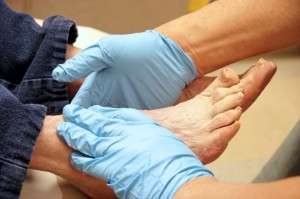
Athlete’s foot is a fungal infection affecting skin between toes or soles causing itching and scaling. It commonly arises from moist environments like locker rooms or sweaty footwear usage.
HALLUX VALGUS (BUNION) CONSERVATIVE TREATMENT
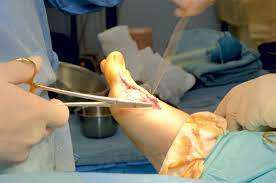
A bunion is a deformity involving lateral deviation of the big toe at its joint causing pain and difficulty wearing shoes. Many individuals seek relief through non-surgical methods initially.
- Causative factors & symptoms:Misalignment resulting from genetic predisposition or biomechanical abnormalities leads to joint swelling and soreness;
DIABETIC FOOT ULCER PREVENTION
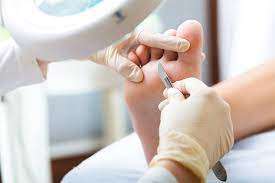
The development of diabetic foot ulcers arises due to nerve damage and poor circulation associated with diabetes. Preventative care plays a crucial role in reducing risks of serious infections or amputations.
- Main contributors: Peripheral neuropathy causing loss of protective sensation, vascular insufficiency delaying healing processes.
- Screening methods: Regular foot inspections including monofilament testing for sensation and vascular assessments ensure early detection of risk areas.
- Lifestyle modifications & management: Daily foot hygiene practices, moisturizing to avoid cracks, avoiding walking barefoot, appropriate shoe fittings designed for diabetic feet reduce ulceration likelihood substantially.
- Aims and results: Proactive ongoing monitoring helps maintain skin integrity preventing open wounds; patient education is vital for adherence to prevention routines.
Efficacious ulcer prevention strategies dramatically diminish complications making vigilant self-care a cornerstone in diabetes management planning.
FLATFOOT (PES PLANUS) SUPPORT STRATEGIES
Flatfoot is characterized by diminished arch height leading to altered foot mechanics that can cause discomfort. While often painless in children, adults may develop symptoms needing attention.
- Identification: Arch appears flattened on standing; may cause foot fatigue or pain in some individuals.
- Diagnosis: Physical examination combined with gait analysis; imaging rarely required unless secondary problems suspected.
- Treatment approaches: Custom orthotics provide arch support relieving strain; strengthening exercises for foot muscles help improve function; proper footwear selection is essential for comfort and stability.
- Outcomes expected: Many benefit from non-surgical interventions allowing normal activity levels without pain progression over time.
A tailored conservative plan focusing on support and muscle balance typically manages flatfoot successfully while avoiding surgery unless symptoms worsen significantly.
INGROWN TOENAIL CARE
An ingrown toenail occurs when the nail edge grows into surrounding skin causing pain, redness, and swelling. It is often triggered by improper nail trimming or tight footwear.
- Symptoms/causes: Painful toe sides, swelling, possible infection; caused by mechanical pressure or incorrect nail shaping.
- Diagnosis: Visual inspection generally sufficient; assessing for infection signs important.
- Treatment/management: Soaking feet in warm water to reduce inflammation, wearing open-toed shoes for relief, careful nail care instructions to prevent recurrence, antibiotic treatment if infection present.
- What to expect: Mild cases improve within days with conservative care; severe or recurrent cases might require minor surgical intervention under local anesthesia.
Caring for ingrown nails promptly helps avoid complications such as infection or chronic discomfort during everyday activities.
PLANTAR FASCIITIS MANAGEMENT
Plantar fasciitis is a common source of heel pain caused by inflammation of the plantar fascia ligament. It often develops due to overuse or strain on the foot’s arch.
- Symptoms and causes: Sharp heel pain, especially with first steps in the morning; risk factors include prolonged standing, obesity, and improper footwear.
- Diagnosis: Clinical evaluation including history and physical exam; imaging like ultrasound can be useful to rule out other conditions.
- Treatment options: Rest, stretching exercises targeting the calf and plantar fascia, use of orthotic devices to support the arch, and anti-inflammatory medications.
- Expectations: Symptoms typically improve gradually over weeks to months with conservative care; persistent cases may require more advanced therapies.
With appropriate management focusing on lifestyle adjustments and supportive measures, most individuals regain comfortable walking without invasive procedures.