
Dr Rajendra Saxena
About Me
Dr Rajendra Saxena
MBBS,PGDCP
General Physician
48 Years Experience
Biography
My Clinic
OPD Hours
| Monday | Morning | 09:00 AM | ||
| Evening | 09:00 PM | |||
| Tuesday | Morning | 09:00 AM | ||
| Evening | 09:00 PM | |||
| Wednesday | Morning | 09:00 AM | ||
| Evening | 09:00 PM |
Treatments
Specialised care and treatments offered
PREVENTIVE HEALTH SCREENINGS

VACCINATION PROGRAMS
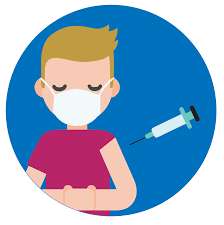
Pediatric vaccinations are crucial for preventing various infectious diseases throughout childhood. Staying updated on vaccination schedules ensures proper immunity development against numerous preventable illnesses.
- Symptoms: N/A; vaccinations prevent future illness rather than addressing current symptoms.
- Causes: Vaccines work by introducing harmless components related to diseases allowing the immune system to build defenses against them.
- Diagnosis: Not applicable; immunization status is verified through medical records.
- Treatment Options: Routine vaccinations following guidelines provided by health authorities ensure broad protection across populations; booster shots maintain immunity over time.
- What to Expect: Common side effects like mild fever or soreness at injection sites signify an immune response but generally resolve quickly; overall benefits outweigh these temporary inconveniences significantly.
Staying compliant with recommended vaccination schedules fosters community immunity while ensuring children grow healthier.
CHOLESTEROL MANAGEMENT
Lipid disorders involve imbalances in cholesterol levels within the body that can contribute to cardiovascular diseases. Regular checks are essential for early identification and intervention.
- Symptoms: Generally asymptomatic; however, high cholesterol can lead to significant health issues over time like heart attacks or strokes without noticeable symptoms initially.
- Causes: Factors include poor dietary habits (high in saturated fats), physical inactivity, smoking, obesity, and genetic predisposition towards high cholesterol levels.
- Diagnosis: Blood tests (lipid profiles) are conducted to measure cholesterol levels as part of routine health assessments or when at risk factors arise.
- Treatment Options: Lifestyle changes such as dietary improvements and increased physical activity form the first line; medications like statins may be required based on individual profiles.
- What to Expect: Successful management reduces risks associated with heart disease. Consistent monitoring helps in maintaining desired lipid levels over time through ongoing adjustments in treatment strategies if necessary.
The significance of maintaining healthy cholesterol levels cannot be overstated for long-term cardiovascular health.
DIABETES SCREENING AND MANAGEMENT

Diabetes is a chronic condition that affects how your body converts food into energy. Early detection through screening is vital for effective management and prevention of complications.
- Symptoms: Increased thirst, frequent urination, extreme fatigue, and blurry vision are common signs that may indicate diabetes.
- Causes: Factors include obesity, lack of physical activity, and family history. Both Type 1 and Type 2 diabetes have different underlying mechanisms but share similar symptoms.
- Diagnosis: A fasting blood glucose test or an HbA1c test is typically used for diagnosis during routine health checks or if symptoms are present.
- Treatment Options: Management involves lifestyle changes such as diet modification and exercise as well as medication when needed. Monitoring blood sugar levels regularly is essential.
- What to Expect: With proper care and support, individuals can manage their diabetes effectively while leading a healthy lifestyle free from complications.
A proactive approach in both screening and management allows for better control over diabetes outcomes.
HYPERTENSION MANAGEMENT
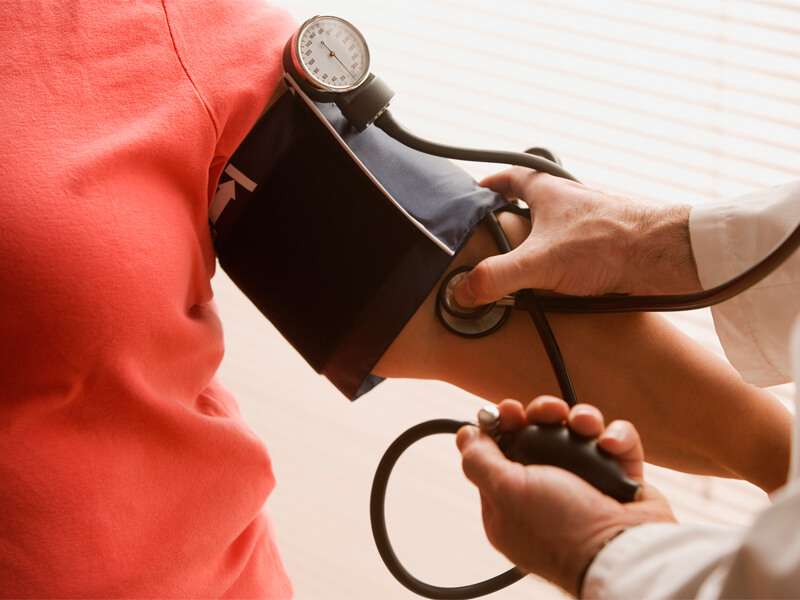
High blood pressure, commonly referred to as hypertension, is a major health concern that can lead to serious complications if left untreated. It often goes unnoticed due to its asymptomatic nature, hence regular monitoring is crucial.
- Symptoms: Most individuals may not experience symptoms; however, headaches, dizziness, and nosebleeds can occur in severe cases.
- Causes: Factors such as obesity, sedentary lifestyle, excessive salt intake, and genetics contribute to the condition.
- Diagnosis: Blood pressure readings taken during routine check-ups are paramount for diagnosis. Additional tests may include kidney function tests or an ECG.
- Treatment Options: Lifestyle modifications (diet and exercise), medications (diuretics, ACE inhibitors), and regular follow-ups play critical roles in management.
- What to Expect: Effective management can significantly reduce the risk of heart disease and stroke. Regular consultations can help tailor treatment plans to individual needs.
Addressing hypertension proactively with a thorough understanding of your health can lead to better outcomes and improved quality of life.