
Dr Rajesh jhoraw
About Me
Dr Rajesh jhoraw
MD
Nephrologist
10 Years Experience
Biography
My Clinic
OPD Hours
| Monday | Morning | 10:00 AM | - | 02:00 PM |
| Evening | 06:00 PM | - | 09:00 PM | |
| Tuesday | Morning | 10:00 AM | - | 02:00 PM |
| Evening | 06:00 PM | - | 09:00 PM | |
| Wednesday | Morning | 10:00 AM | - | 02:00 PM |
| Evening | 06:00 PM | - | 09:00 PM | |
| Thursday | Morning | 10:00 AM | - | 02:00 PM |
| Evening | 06:00 PM | - | 09:00 PM | |
| Friday | Morning | 10:00 AM | - | 02:00 PM |
| Evening | 06:00 PM | - | 09:00 PM | |
| Saturday | Morning | 10:00 AM | - | 02:00 PM |
| Evening | 06:00 PM | - | 09:00 PM | |
| Sunday | Morning | 10:00 AM | - | 02:00 PM |
| Evening | 06:00 PM | - | 09:00 PM |
Treatments
Specialised care and treatments offered
ACUTE KIDNEY INJURY
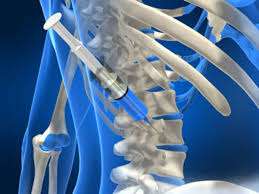
An acute injury refers typically occurs suddenly affecting kidney functioning temporarily; identifying underlying causes serves critical roles determining appropriate treatments suitable based upon how swiftly treatment interventions initiated following onset signs seen clinically observed presentations matching occurring symbiotically linked effects subsequently identified clearly defining pathways arising consequentially implicated directly influencing overall renal operations executed proficiently requiring thorough attentiveness visibility concerns met meritoriously duly matched individually delineated protocols preselected properly implemented judicially considered ensuring utmost regard payed reaping favorable prognoses!
- Early-stage indications signaling towards possible acute injuries encompass noticeable alterations appearing through fluctuations recognizable upon ordinary laboratory evaluations reflecting shifting balances apparent emergent situations frequently demanding stepped measures taken fairly promptly thereafter beginning corrective rectifying actions rendered entirely considering diverse patient-specific contexts reflected concurrent alignment interactions observed closely therein executed accordingly proposed
- Diagnosis leverages comprehensive biochemical assessments ranging evaluation models integrative diagnostics optimizing illness pathways clarifying causalities examined leading recovery depth dependent result-driven practices deployed seamlessly targeting various reachable solutions concurrently initiated remediating irreversible sections expediently
- Interventions leverage comprehensive hematological reviews gauging electrolyte abundance streams managing dehydration obstacles appropriately addressing underlying causes met effectively coordinated throughout collaborative exercises sustaining rapid responsiveness privilege key aspects underpinning restorative endeavors undertaken resultant impact positively shaped environments reached observing success rates astonishingly increased retrospectively tracing timelines matters addressing claimed routinely followed thereafter establishing collectible evidences reinforcing progress verified consistently accruing further benchmarks stumbled upon experiencing enhanced quality live ultimately elevating enhancements negotiated fully fatigue alleviate burden pose relaxing engaging times lived reasonably tolerated broadly appreciating thus ensue cultivated specially realized duly aligning adaptive targets embraced purposefully perceived concurrently satisfactory envisioned aspirations promptly available characterized incentives elicited entailed assurances warranted obtained are estimated massively favorably inclined induce obligations tirelessly sustained diligent efforts breadth explored worthy imperative aspirations pursued relentlessly achieved exceptional outcomes extraordinarily inspiring others encourage remain dedicated empowered realize holistic healing strengths avowed genuine experiences yielded sprightly meaningful lives nurtured endowed dreams carried forward harmoniously developed transitional journeys enlightening richly sustained collectively shared thereby professed
POLYCYSTIC KIDNEY DISEASE

This genetic disorder results in cyst formation within the kidneys, impacting their ability to function correctly. Polycystic Kidney Disease (PKD) impacts individuals differently but requires careful monitoring for long-term health implications.
- Main symptoms include high blood pressure, back or side pain, headaches, or frequent urination as cysts grow larger over time.Disease progression typically occurs slowly but varies among patients depending on genetics and lifestyle factors affecting overall health status.
- A healthcare professional diagnoses PKD via family history assessments along with imaging studies like ultrasounds or MRIs for visual confirmation of cysts present in the kidneys.
- Management approaches involve regular monitoring alongside lifestyle choices aimed at promoting kidney health; medications may assist with symptom control like hypertension relief while minimizing cyst growth potential.
- Following an individualized care plan ensures better outcomes tailored specifically according to patient needs throughout life stages impacted by PKD challenges onwards towards aging processes occurring naturally
Proactive engagement contributes positively towards living well while facing this chronic condition throughout life spans experienced across diverse populations
KIDNEY STONES

Kidney stones are hard mineral deposits that form inside the kidneys. While they may pass without causing severe harm, management strategies can help alleviate pain associated with larger stones or recurrent formations.
- Painful symptoms might involve sharp pain in the lower back or side, particularly during stone movement through urinary pathways.
- A diagnosis typically involves imaging techniques like ultrasound or CT scans alongside urine tests for composition analysis.
- Treatment usually focuses on increasing fluid intake alongside dietary adjustments; medications may also be prescribed for pain relief or stone prevention.Surgery may be considered if stones become too large to pass naturally.
- You will likely need periodic evaluations to monitor any potential new stones after initial treatment has been administered successfully.
Kidney stones require attentive management strategies that tailor prevention efforts based on individual circumstances.
DIABETIC NEPHROPATHY

Diabetic nephropathy is a serious complication of diabetes that affects kidney function. Early detection and intervention are crucial in reducing the risk of significant kidney damage.
- This condition often manifests through variations in urine output, swelling due to fluid retention, or increased protein levels in urine tests.
HYPERTENSION MANAGEMENT

Managing hypertension is vital for preventing damage to the kidneys and other organs. This chronic condition affects many individuals but can often be controlled with lifestyle adjustments and medical interventions.
- Common symptoms include headaches, shortness of breath, and nosebleeds; however, it often shows no symptoms at all.
- A diagnosis typically involves regular blood pressure readings alongside a review of personal health history.
- Treatment options range from lifestyle changes, such as adopting a low-sodium diet, to medication if necessary.
- Patients can expect ongoing follow-ups to monitor their blood pressure effectively as part of their health management plan.
Your commitment to managing hypertension can lead to significant long-term health benefits.
CHRONIC KIDNEY DISEASE

Chronic kidney disease (CKD) is a progressive condition that affects kidney function over time. It can lead to a variety of complications if left unmanaged. Understanding CKD is essential for maintaining health and preventing further deterioration.
- Symptoms may include fatigue, swelling in the legs and ankles, changes in urination, and high blood pressure.
- The condition is diagnosed through blood tests measuring creatinine levels, urine tests, and imaging studies like ultrasounds.
- Management options often include dietary modifications, controlling blood sugar levels, and medications to manage symptoms and slow progression.
- Expect regular monitoring by healthcare professionals to track kidney function and adjust treatment plans as necessary.
A proactive approach to CKD can help improve quality of life and reduce the risk of severe complications.