
Dr Rajesh Kanoji
About Me
Dr Rajesh Kanoji
MS
Orthopaedic Surgeons
10 Years Experience
Biography
My Clinic
OPD Hours
| Monday | Morning | 10:00 AM | - | 02:00 PM |
| Evening | 06:00 PM | - | 09:00 PM | |
| Tuesday | Morning | 10:00 AM | - | 02:00 PM |
| Evening | 06:00 PM | - | 09:00 PM | |
| Wednesday | Morning | 10:00 AM | - | 02:00 PM |
| Evening | 06:00 PM | - | 09:00 PM | |
| Thursday | Morning | 10:00 AM | - | 02:00 PM |
| Evening | 06:00 PM | - | 09:00 PM | |
| Friday | Morning | 10:00 AM | - | 02:00 PM |
| Evening | 06:00 PM | - | 09:00 PM | |
| Saturday | Morning | 10:00 AM | - | 02:00 PM |
| Evening | 06:00 PM | - | 09:00 PM | |
| Sunday | Morning | 10:00 AM | - | 02:00 PM |
| Evening | 06:00 PM | - | 09:00 PM |
Treatments
Specialised care and treatments offered
TRIGGER POINT INJECTIONS
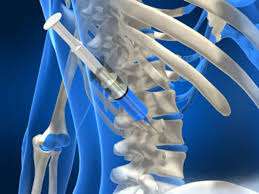
Trigger point injections are beneficial in managing myofascial pain syndromes that often originate from muscle knots. These injections help alleviate localized muscular tension that causes discomfort or restricted movement over time.
- Trigger points develop within muscles leading often unexplainable pain patterns radiating throughout adjoining areas .
- Diagnosis generally takes place via physical examinations accompanied by discussions regarding symptomatology , enhancing understanding within clinical parameters .
- Injecting anesthetic agents directly into these defined points allows immediate relaxation of muscle fibers involved delivering marked reductions in tightness experienced previously .
- Some patients witness long-term benefits post-injection owing largely towards reduced reliance upon conventional pharmaceutical analgesics helping manage chronicity efficiently!
Safe practice coupled with targeted attention makes this approach appealing towards those whom traditional therapy fails continuously !
CARPAL TUNNEL RELEASE

The carpal tunnel release procedure is specifically designed to relieve pressure on the median nerve in cases of carpal tunnel syndrome. This condition can lead to pain, numbness, or tingling in the hand due to compression within this anatomical passageway.
- The symptoms often manifest as frequent hand discomfort during repetitive motions such as typing or gripping objects tightly.
- A comprehensive evaluation including symptom history alongside potential nerve conduction studies forms part of diagnosing this syndrome effectively.
- Surgery entails making a small incision over the wrist area so that ligaments pressing on nerves can be cut away safely。
- Post-surgical expectations include gradual improvement in symptoms along with customized rehabilitation plans focusing on strengthening exercises thereafter。
This quick yet effective approach provides considerable respite for individuals suffering from persistent wrist-related issues!
TENDON REPAIR

Tendon repair surgery addresses tears or ruptures in tendons that can occur due to acute injury or chronic overuse. The procedure aims at restoring function while minimizing recovery time for the patient.
- Surgical intervention is often indicated when conservative treatments fail after several weeks of management options like physical therapy and anti-inflammatory medications.
- A detailed assessment involving clinical examination and imaging studies helps determine the degree of injury before surgery is considered.
- The surgical process may involve suturing the tendon back together or using grafts if necessary for extensive injuries.
- Pain relief post-procedure typically comes from both local anesthetics used during surgery and prescribed medications afterward.
The primary goal remains reinstating normal movement as swiftly as possible without compromising strength!
JOINT INJECTIONS

Joint injections are commonly employed as a therapeutic method for managing joint pain and inflammation. This procedure involves injecting medication directly into the affected joint space to provide relief effectively.
- Injections are frequently used for conditions like arthritis or bursitis that cause chronic pain.
- A healthcare provider typically uses ultrasound guidance to ensure accurate placement of the injection, increasing its efficacy.
- Patients can receive corticosteroids or hyaluronic acid-based products based on their specific needs.
- This treatment aims to reduce pain and improve function significantly while presenting fewer risks than surgery.
The objective is not only immediate relief but also longer-lasting improvement in overall mobility!
PLATELET-RICH PLASMA (PRP) THERAPY

Platelet-Rich Plasma (PRP) Therapy is an innovative treatment option designed to promote healing in musculoskeletal injuries. This therapy utilizes components of your own blood to accelerate recovery.
- Conditions like tendonitis, sprains, and osteoarthritis often benefit from this treatment due to its natural healing properties.
- A blood sample is drawn from the patient, processed to concentrate the platelets, and injected into the affected area.
- The growth factors released stimulate tissue repair and reduce inflammation.
- Many patients experience significant pain relief with minimal side effects ensuing from the use of their own biological material.
This approach continues to gain popularity due to its effectiveness in enhancing healing processes naturally.
ARTHROSCOPY

Arthroscopy is a minimally invasive surgical procedure used to diagnose and treat problems inside a joint. It involves using a small camera, called an arthroscope, which is inserted into the joint through a tiny incision.
- Common indications for arthroscopy include meniscus tears, ligament injuries, and cartilage damage.
- Diagnosis typically involves a thorough physical examination and imaging studies like MRI.
- Treatment may involve repairing or removing damaged structures, and rehabilitation usually follows to ensure optimal recovery.
- Patients can expect less pain and quicker recovery times compared to open surgeries.
This technique has transformed orthopaedic care by offering patients effective solutions with minimal downtime.