
Dr Rajesh Khande
About Me
Dr Rajesh Khande
MS
Urologists
10 Years Experience
Biography
My Clinic
OPD Hours
| Monday | Morning | 10:00 AM | - | 02:00 PM |
| Evening | 06:00 PM | - | 09:00 PM | |
| Tuesday | Morning | 10:00 AM | - | 02:00 PM |
| Evening | 06:00 PM | - | 09:00 PM | |
| Wednesday | Morning | 10:00 AM | - | 02:00 PM |
| Evening | 06:00 PM | - | 09:00 PM | |
| Thursday | Morning | 10:00 AM | - | 02:00 PM |
| Evening | 06:00 PM | - | 09:00 PM | |
| Friday | Morning | 10:00 AM | - | 02:00 PM |
| Evening | 06:00 PM | - | 09:00 PM | |
| Saturday | Morning | 10:00 AM | - | 02:00 PM |
| Evening | 06:00 PM | - | 09:00 PM | |
| Sunday | Morning | 10:00 AM | - | 02:00 PM |
| Evening | 06:00 PM | - | 09:00 PM |
Treatments
Specialised care and treatments offered
NOCTURIA
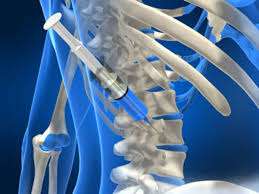
Nocturia refers to waking up multiple times during sleep specifically to urinate which leads to disturbed rest and reduced daytime functioning. Identifying underlying causes helps tailor proper solutions effectively.
- Symptom Overview & Contributors:: Frequent nighttime urination beyond one episode disrupts sleep cycles often related to excess fluid consumption before bedtime or medical conditions such as diabetes mellitus/cardiac disease affecting urine production regulation。
- Assessment Methods:: Detailed patient history including fluid intake patterns alongside urine frequency charts assist diagnosis; blood tests evaluate systemic contributors while specialized bladder function tests clarify specific urinary dynamics。
- Therapeutic Options:: Behavioral modifications emphasizing limiting evening fluid intake plus timed voiding regimens provide initial relief; pharmacological agents targeting bladder capacity enhancement may be introduced subsequently。
- Lifestyle Modifications:: Weight reduction when needed combined with avoidance of caffeine/diuretics late in day support symptom control without invasive procedures necessary>.
Managing nocturia promotes improved sleep quality thereby enhancing overall health outcomes through individualized adjustments addressing root causes rather than just symptoms alone>.
MALE INFERTILITY EVALUATION

Males facing challenges conceiving require thorough evaluation focusing on various potential factors impacting fertility. Early assessment aids targeted intervention opportunities.
- Causative Elements & Symptoms: Low sperm count or poor sperm motility are common findings associated with hormonal imbalances, varicocele presence or genetic factors contributing silently without overt symptoms initially.
OVERACTIVE BLADDER

An overactive bladder results in sudden urges to urinate frequently throughout day and night. This condition impacts daily routines but can often be controlled with targeted interventions.
- Main Symptoms & Causes: Urgency accompanied by frequency over eight times per day with possible urge incontinence. Neurological disorders or bladder muscle dysfunction commonly trigger this condition.
- Evidentiary Diagnosis: Patient history evaluation supported by voiding diaries; urodynamic studies may be performed in complex cases for confirmation.
- Treatment Approaches: Behavioral therapies include bladder training exercises combined with pelvic floor muscle strengthening. Medications like antimuscarinics help reduce contractions.
- Lifestyle Recommendations: Fluid management avoiding excessive caffeine/alcohol intake plus weight loss improve symptoms notably without invasive methods.
The majority find symptom relief through conservative management allowing better bladder control and improved quality of life without surgery.
KIDNEY STONES

The formation of kidney stones occurs when minerals crystallize in the kidneys causing pain and potential blockage within the urinary tract. Understanding prevention is crucial for recurring stone former patients.
- Causative Factors: Dehydration, dietary excesses (like salt or oxalate-rich foods), obesity, and certain metabolic disorders contribute to stone development.
- Diagnosis Process: Imaging techniques such as ultrasound or CT scans confirm stone size and location; urine tests assess risk factors for recurrence.
- Treatment Modalities: Small stones often pass spontaneously with hydration and pain management; larger stones may require lithotripsy or surgical intervention if symptomatic or obstructive.
- Lifestyle Modifications: Increasing water intake to produce >2 liters of urine daily, dietary changes limiting sodium and protein intake help prevent new stones forming.
A combination of timely medical treatment alongside preventive lifestyle measures greatly reduces both symptoms and chances of future episodes.
URINARY TRACT INFECTIONS (UTI) IN MEN

A Urinary Tract Infection in men affects the urinary system and can cause discomfort as well as complications if left untreated. Early recognition is key for a swift recovery.
- Symptoms & Risk Factors: Burning during urination, frequent urge to urinate, cloudy urine, and pelvic pain are common indicators. Risks include catheter use and urinary tract abnormalities.
- Diagnostic Approach: Urine analysis and culture identify the bacterial cause; additional imaging may be used if infections recur or complications arise.
- Treatment Strategies: Oral antibiotics tailored to bacterial sensitivity form the mainstay of treatment along with increased fluid intake to flush the system.
- Prevention & Lifestyle: Maintaining good hygiene, adequate hydration, and managing underlying conditions reduce recurrence risks significantly.
A prompt diagnosis combined with appropriate antibiotic therapy usually resolves UTIs effectively, preventing further kidney involvement or chronic issues.
BENIGN PROSTATIC HYPERPLASIA (BPH)

Benign Prostatic Hyperplasia, commonly known as BPH, is a non-cancerous enlargement of the prostate gland that often affects men as they age. This condition can lead to urinary difficulties that impact daily life.
- Symptoms and Causes: Frequent urination, weak urine stream, difficulty initiating urination, and nocturia are common signs. The cause is linked to hormonal changes with aging.
- Diagnosis: Diagnosis involves a physical prostate exam, assessment of symptoms via questionnaires, urine tests, and sometimes ultrasound or uroflowmetry.
- Treatment Options: Lifestyle modifications such as reducing caffeine and fluid intake before bedtime, bladder training exercises, and medications like alpha-blockers are first-line approaches.
- Management: Monitoring symptom progression regularly helps guide treatment adjustments; minimally invasive procedures may be considered if symptoms worsen.
Understanding BPH empowers patients to manage symptoms effectively while maintaining quality of life through appropriate lifestyle choices and medical care.