
Dr Rajesh Khurana
About Me
Dr Rajesh Khurana
MD
Oncologist
10 Years Experience
Biography
My Clinic
OPD Hours
| Monday | Morning | 10:00 AM | - | 02:00 PM |
| Evening | 06:00 PM | - | 09:00 PM | |
| Tuesday | Morning | 10:00 AM | - | 02:00 PM |
| Evening | 06:00 PM | - | 09:00 PM | |
| Wednesday | Morning | 10:00 AM | - | 02:00 PM |
| Evening | 06:00 PM | - | 09:00 PM | |
| Thursday | Morning | 10:00 AM | - | 02:00 PM |
| Evening | 06:00 PM | - | 09:00 PM | |
| Friday | Morning | 10:00 AM | - | 02:00 PM |
| Evening | 06:00 PM | - | 09:00 PM | |
| Saturday | Morning | 10:00 AM | - | 02:00 PM |
| Evening | 06:00 PM | - | 09:00 PM | |
| Sunday | Morning | 10:00 AM | - | 02:00 PM |
| Evening | 06:00 PM | - | 09:00 PM |
Treatments
Specialised care and treatments offered
STEM CELL TRANSPLANTATION
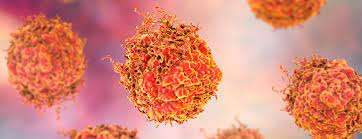
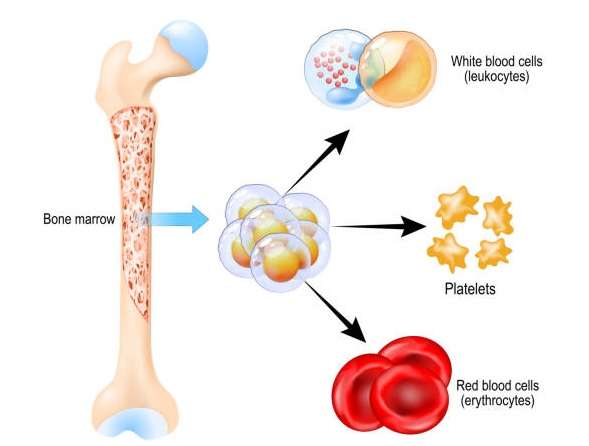
This advanced procedure offers hope for patients undergoing aggressive cancer treatments like chemotherapy that may damage bone marrow. Stem cell transplantation replaces damaged blood-forming cells with healthy ones either from a donor (allogeneic) or self (autologous).
SURGERY FOR TUMORS
Surgical intervention remains one of the most direct ways to treat localized tumors effectively. Depending on size and type, surgical options range from lumpectomy (removal of a tumor) to more complex procedures involving removal of entire organs affected by malignancy.
- Cancer Symptoms: Persistent lumps or changes in bodily functions may signal the need for surgical assessment when other treatments are insufficient alone.
Surgery can offer significant benefits when performed timely within an overall comprehensive care plan involving various specialists engaged throughout recovery phases.
TARGETED THERAPY

This specialized treatment focuses on specific molecular targets associated with cancer. By zeroing in on particular genetic mutations or proteins that contribute to cancer growth, targeted therapies aim at disrupting these processes more accurately than conventional methods.
- Cancer Causes: Certain genetic predispositions might lead some patients towards this treatment option as part of their management plan.
- Disease Diagnosis: Genetic testing plays a crucial role in identifying actionable targets for effective therapy selection.
- Treatment Options: Medications come in oral forms or injections tailored specifically for identified mutations within tumors.
- Efficacy Expectations: Many find targeted therapies have fewer side effects compared to standard chemotherapy, leading to improved tolerability and compliance with treatment plans.
This modern approach represents a paradigm shift in oncology, making treatments more personalized based on individual genetic profiles.
IMMUNOTHERAPY
This innovative treatment harnesses the body’s immune system to fight cancer. Immunotherapy encourages the immune response against malignant cells using various agents like monoclonal antibodies or checkpoint inhibitors.
- Symptoms: Benefits include improved immune function; side effects can vary from flu-like symptoms to allergic reactions.
- Diagnosis: Biomarker testing identifies patients whose tumors are likely to respond positively to this approach.
- Treatment Management: Customization is essential, evaluating specific biomarkers during treatment planning.
- What to Expect: Patients typically experience less severe side effects than traditional therapies, enhancing overall tolerance.
This promising field continues evolving, offering new hope for those diagnosed with various types of cancer.
RADIATION THERAPY
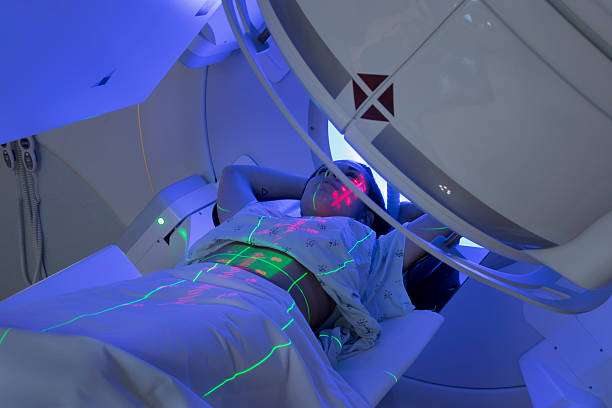
This method utilizes high-energy radiation to target and destroy cancer cells. Radiation therapy can be applied externally or internally, depending on the specific case and location of the tumor.
- Causes: Specific cancers may necessitate this approach if surgery is not viable.
- Diagnosis: Imaging scans like CT or MRI aid in planning precise delivery of radiation.
- Treatment Options: Treatments are tailored according to tumor characteristics; techniques include focused beams or brachytherapy (internal radiation).
- Expectations: Patients may have localized skin reactions but usually manage it well with topical treatments.
A key advantage of this therapy is its ability to minimize damage to surrounding healthy tissue while effectively targeting malignancies.
CHEMOTHERAPY
Chemotherapy is a vital treatment option for patients battling cancer. It involves the use of powerful drugs designed to kill or slow the growth of cancer cells. This approach can be used alone or combined with other treatments, such as surgery and radiation therapy.
- Symptoms: Patients may experience fatigue, nausea, hair loss, and increased susceptibility to infections as side effects.
- Diagnosis: Diagnosis typically involves imaging tests and biopsies to confirm cancer type and stage.
- Treatment: Chemotherapy regimens vary based on cancer type; they can include intravenous administration or oral medications.
- Management: Supportive care helps manage side effects, including anti-nausea medications and dietary adjustments.
This treatment can significantly enhance survival rates and quality of life for many individuals affected by cancer.