
DR Rajesh Kumar
About Me
DR Rajesh Kumar
MD
Dermatologist
Biography
My Clinic
OPD Hours
| Monday | Morning | 10:00 AM | - | 02:00 PM |
| Evening | 06:00 PM | - | 09:00 PM | |
| Tuesday | Morning | 10:00 AM | - | 02:00 PM |
| Evening | 06:00 PM | - | 09:00 PM | |
| Wednesday | Morning | 10:00 AM | - | 02:00 PM |
| Evening | 06:00 PM | - | 09:00 PM | |
| Thursday | Morning | 10:00 AM | - | 02:00 PM |
| Evening | 06:00 PM | - | 09:00 PM | |
| Friday | Morning | 10:00 AM | - | 02:00 PM |
| Evening | 06:00 PM | - | 09:00 PM | |
| Saturday | Morning | 10:00 AM | - | 02:00 PM |
| Evening | 06:00 PM | - | 09:00 PM | |
| Sunday | Morning | 10:00 AM | - | 02:00 PM |
| Evening | 06:00 PM | - | 09:00 PM |
Treatments
Specialised care and treatments offered
CONTACT DERMATITIS
Contact dermatitis arises when the immune system reacts adversely following exposure either through direct contact with an irritant or allergen substance resulting in an inflammatory response causing varying degrees of irritation amongst demographics across all ages alike..
- Symptoms frequently consist mainly dry patches appearing red coupled frequently itchy reactions developing within hours after exposure & sometimes blisters forming could follow suit depending upon severity incurred .
- Diagnosis takes place during consultations wherein physicians assess rash’s characteristics while also taking thorough histories concerning exposures experienced recently before presenting signs were established .
- Managing contact dermatitis largely revolves around eliminating identified triggers plus employing topical corticosteroids aimed relieving inflammatory responses experienced especially during acute phases .
- Consistent education regarding protective measures surrounding potential irritants particularly tailored toward occupational environments enhances prevention efforts sincerely assisting susceptible individuals wholly .
Emphasizing positive preventative steps aids immensely benefiting those enduring recurrent bouts allowing them regain confidence without overly compromising day-to-day interactions encounters due environmental hazards encountered regularly .
ROSACEA
Rosacea is a chronic inflammatory condition that primarily affects the facial area. It manifests through persistent redness around the nose and cheeks alongside visible blood vessels leading to discomfort among affected individuals due to potential self-esteem challenges stemming from visible symptoms.
- The main symptoms include flushing episodes lasting longer than usual facial redness along with bumps resembling acne which may cause burning sensations upon contact with certain products like sunscreen or makeup.
- A comprehensive clinical evaluation helps confirm diagnosing rosacea based on both visual symptoms alongside patient history regarding environmental triggers such as spicy foods or alcohol consumption.
- Management often includes prescription medications aimed at reducing inflammation alongside skincare routines designed specifically for sensitive skins while avoiding traditional harsh exfoliants.
- Education about identifying personal triggers plays an essential role towards long-term control which improves both comfort levels & appearance overall.
With diligence towards maintaining healthy skincare habits combined alongside professional care from dermatologists provides substantial relief & supports emotional wellness through mitigating physiological impacts caused by rosacea.
SKIN CANCER SCREENING
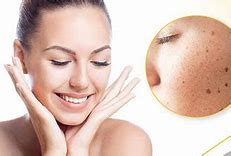
Regular screening for skin cancer is crucial as early detection significantly increases treatment success rates. Skin cancer primarily includes melanoma and non-melanoma types like basal cell carcinoma (BCC) and squamous cell carcinoma (SCC).
- Persistent changes in your moles or new growths on your skin are common symptoms that warrant examination by a dermatologist.
- The diagnosis typically involves visual inspection followed by a biopsy if suspicious lesions are found. Dermatologists utilize specific criteria such as the ABCDE rule for evaluating moles: Asymmetry, Border irregularity, Color variation, Diameter larger than 6mm, Evolving nature of the mole over time.
- Treatment options vary from surgical excision to topical therapies depending on cancer type and stage detected during screening.
- The importance of self-examinations should not be overlooked; patients should monitor their skin regularly for any changes from baseline conditions or pre-existing lesions.
An informed approach helps individuals stay vigilant about their dermatological health which ultimately contributes positively to overall well-being.
ACNE VULGARIS
Acne vulgaris is one of the most prevalent skin disorders affecting adolescents and adults alike. It arises when hair follicles become clogged with oil and dead skin cells, leading to various forms like blackheads, whiteheads, or cystic acne.
- Common symptoms include pimples, cysts, oily skin, and potential scarring after outbreaks resolve.
- A healthcare provider will diagnose acne through physical examination while considering factors influencing its severity such as hormonal changes or medications taken.
- Treatment may involve topical retinoids for mild cases or oral medications like antibiotics for more severe instances; some patients benefit from hormone therapy as well.
- A consistent skincare routine combined with proper diet can greatly assist in minimizing acne outbreaks over time.
A proactive approach ensures that individuals manage their acne effectively while reducing emotional impacts associated with visible blemishes on the skin.
ECZEMA (ATOPIC DERMATITIS)
Eczema is a common skin condition characterized by inflamed, itchy, red skin. It tends to emerge in childhood but can occur at any age. Eczema varies from mild to severe and can significantly impact daily living.
- This condition often presents with symptoms like intense itching, dry patches of skin, redness, and sometimes oozing lesions.
- The diagnosis typically involves clinical evaluation of symptoms along with a review of personal and family medical histories.
- Treatment focuses on moisturizers to maintain skin hydration along with topical corticosteroids to relieve inflammation during flare-ups.
- Avoiding known irritants or allergens is crucial in managing eczema effectively. Patients are encouraged to develop a personalized skincare regimen.
With proper care, individuals can minimize outbreaks and lead comfortable lives despite this chronic condition.
PSORIASIS
Psoriasis is a chronic autoimmune condition that speeds up the life cycle of skin cells, leading to the buildup of scaly patches. This condition can vary significantly in severity and can affect any part of the body, although it commonly appears on elbows, knees, and the scalp.
- Symptoms include red patches covered with thick, silvery scales, dry and cracked skin that may bleed, itching or burning sensations, and thickened or pitted nails.
- The diagnosis is usually made through a physical examination and medical history; sometimes a biopsy is required for confirmation.
- Treatment options range from topical treatments and phototherapy to systemic medications targeting specific pathways in inflammation.
- Managing psoriasis often involves lifestyle changes such as stress reduction techniques and dietary modifications for better outcomes.
Understanding this condition allows individuals to seek appropriate care and develop effective management strategies for improved quality of life.