
Dr Rajesh Kumar S
About Me
Dr Rajesh Kumar S
MD
Nephrologist
10 Years Experience
Biography
My Clinic
OPD Hours
| Monday | Morning | 10:00 AM | - | 02:00 PM |
| Evening | 06:00 PM | - | 09:00 PM | |
| Tuesday | Morning | 10:00 AM | - | 02:00 PM |
| Evening | 06:00 PM | - | 09:00 PM | |
| Wednesday | Morning | 10:00 AM | - | 02:00 PM |
| Evening | 06:00 PM | - | 09:00 PM | |
| Thursday | Morning | 10:00 AM | - | 02:00 PM |
| Evening | 06:00 PM | - | 09:00 PM | |
| Friday | Morning | 10:00 AM | - | 02:00 PM |
| Evening | 06:00 PM | - | 09:00 PM | |
| Saturday | Morning | 10:00 AM | - | 02:00 PM |
| Evening | 06:00 PM | - | 09:00 PM | |
| Sunday | Morning | 10:00 AM | - | 02:00 PM |
| Evening | 06:00 PM | - | 09:00 PM |
Treatments
Specialised care and treatments offered
POLYCYSTIC KIDNEY DISEASE
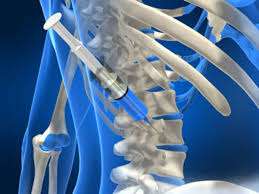
This genetic disorder results in numerous cysts forming within both kidneys. Over time these cysts can grow large enough to impair overall kidney function significantly affecting quality of life.
- The initial manifestations may remain asymptomatic; however symptoms like abdominal pain or hypertension could emerge later during progression:..........
HYPERTENSIVE NEPHROPATHY

This condition arises when chronic high blood pressure leads to damage within the kidneys. Over time, uncontrolled hypertension can severely affect renal function and overall health outcomes if untreated.
- Sufferers might not initially exhibit symptoms; however advanced stages could present warnings such as increased urination at night or persistent fatigue.
- Risk factors for hypertensive nephropathy encompass genetic predisposition alongside lifestyle choices impacting blood pressure control.
- A diagnosis centers around routine monitoring of blood pressure levels combined with renal assessments via laboratory diagnostics.
- Management strategies typically involve lifestyle alterations—such as sodium reduction—and medications tailored towards achieving optimal blood pressure control.
Consistent oversight by your healthcare provider remains essential for halting potential progression toward end-stage renal disease due to hypertensive nephropathy.
NEPHROLITHIASIS

Nephrolithiasis refers to the formation of **kidney stones**, which occur when certain substances in the urine become highly concentrated. These stones can vary in size and may cause significant pain when passing through urinary tract structures.
- The typical symptoms involve severe back pain radiating towards the abdomen, nausea or vomiting, painful urination, and hematuria.
- Certain factors contributing to stone development include dehydration, high salt intake, obesity, and dietary choices rich in oxalate or purines.
- Diagnosis usually includes imaging techniques like CT scans or ultrasounds alongside urine analysis to determine stone composition.
- Treatment may require increased fluid intake to promote passage of small stones while larger stones might necessitate procedures such as lithotripsy or surgical removal under specific circumstances.
Awareness about prevention through hydration and dietary modifications plays a vital role in reducing recurrence risks associated with nephrolithiasis.
GLOMERULONEPHRITIS

Glomerulonephritis refers to the inflammation of the glomeruli, which are tiny filtering units within the kidneys. This condition can lead to significant impairment in kidney function if left untreated.
- The inflammation can result from various causes such as infections, autoimmune diseases like lupus or diabetes-related damage.
- Symptoms often include hematuria (blood in urine), proteinuria (excess protein in urine), high blood pressure, and edema (swelling).
- A nephrologist utilizes blood tests to check for antibodies or inflammation markers alongside urine tests to assess for abnormalities indicative of glomerular damage.
- Treatment strategies may involve corticosteroids for autoimmune-related cases or medications designed to control blood pressure and manage complications related to fluid overload.
Understanding this condition allows for timely interventions that can help preserve kidney function over time.
CHRONIC KIDNEY DISEASE

Chronic Kidney Disease (CKD) is a progressive loss of kidney function over time. It is commonly caused by diabetes and hypertension and can lead to serious health consequences if not managed properly.
- Many people may not show symptoms in the early stages; however, signs such as fatigue, swollen ankles or feet, and frequent urination can appear as the disease progresses.
- A kidney doctor will diagnose CKD through blood tests assessing creatinine levels and glomerular filtration rate (GFR), along with urine tests for protein levels.
- Treatment options focus on slowing disease progression through lifestyle adjustments such as diet changes, medication management for underlying conditions like diabetes or hypertension, and regular monitoring.
- Patients might need supportive therapies including nutritional counseling or renal replacement therapy in advanced stages.
Managing chronic kidney disease effectively requires ongoing communication with your healthcare provider and regular follow-up appointments.
ACUTE KIDNEY INJURY

Acute kidney injury (AKI) is a sudden loss of kidney function that can occur over a few hours or days. This condition can lead to an accumulation of waste products in the blood and electrolyte imbalances, which are potentially life-threatening.
- The symptoms may include decreased urine output, swelling due to fluid retention, nausea, fatigue, and confusion.
- Common causes include dehydration, infections, certain medications, and reduced blood flow to the kidneys.
- Diagnosis often involves blood tests to check creatinine levels, urine tests, and sometimes imaging studies like ultrasound.
- Treatment typically focuses on addressing the underlying cause and may involve fluid management or dialysis for severe cases.
- With prompt medical care, many individuals experience complete recovery of kidney function.
Early detection and intervention are crucial to reducing complications associated with acute kidney injury.