
Dr Rajesh Soni
About Me
Dr Rajesh Soni
MBBS
Podiatrist
Biography
My Clinic
OPD Hours
| Monday | Morning | 10:00 AM | - | 02:00 PM |
| Evening | 06:00 PM | - | 09:00 PM | |
| Tuesday | Morning | 10:00 AM | - | 02:00 PM |
| Evening | 06:00 PM | - | 09:00 PM | |
| Wednesday | Morning | 10:00 AM | - | 02:00 PM |
| Evening | 06:00 PM | - | 09:00 PM | |
| Thursday | Morning | 10:00 AM | - | 02:00 PM |
| Evening | 06:00 PM | - | 09:00 PM | |
| Friday | Morning | 10:00 AM | - | 02:00 PM |
| Evening | 06:00 PM | - | 09:00 PM | |
| Saturday | Morning | 10:00 AM | - | 02:00 PM |
| Evening | 06:00 PM | - | 09:00 PM | |
| Sunday | Morning | 10:00 AM | - | 02:00 PM |
| Evening | 06:00 PM | - | 09:00 PM |
Treatments
Specialised care and treatments offered
HEEL SPURS
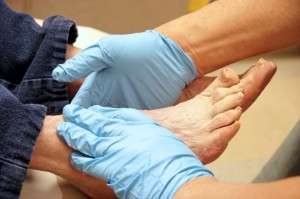
A heel spur is a bony protrusion that forms on the underside of the heel bone. Often associated with conditions like plantar fasciitis, it becomes painful when inflamed tissues rub against it during movement.
- Symptoms typically include: Sharp pain felt at bottom heel especially upon waking indicating inflammation affecting nearby structures significantly impacting mobility negatively overall mood too!
FLAT FEET (PES PLANUS)
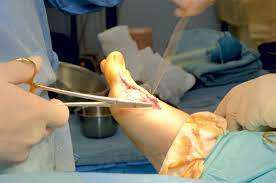
The condition known as flat feet occurs when arches don't develop properly during childhood or adulthood. People with flat feet may experience fatigue during longer periods of standing or walking due to lack of arch support.
- Key indicators :Pain felt along their arches or heels signify possible misalignment issues attributed directly by having flat feet .
- Possible causes include :Heredity plays an essential role while gaining weight could exacerbate existing arch deformities making them more pronounced over time .
- Diagnosis usually requires: A thorough examination by trained specialists revealing unique imprints observed through gait assessments performed routinely .
- Best management strategies: Wearing supportive shoes combined with prescribed exercises strengthens muscles surrounding instep elevating discomfort experienced in daily tasks .
Pai n shouldn’t prevent maintaining an active lifestyle; simple adjustments go far toward improving overall quality life successfully navigating any challenges ahead!
MORTON'S NEUROMA
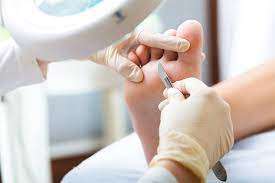
This condition arises from thickening tissue around one of the nerves leading to your toes, usually between the third and fourth toes. It can cause noticeable discomfort while walking or wearing shoes that are too tight.
- Pain characteristics:If you feel burning pain in your forefoot that radiates into your toes when walking, it may indicate Morton's neuroma has developed.
- Common causes include :Your foot structure plays a critical role; high arches or flat feet can predispose some individuals more than others .
- Diagnostic approach: Having your podiatrist perform specific tests along with imaging studies helps ascertain if neuroma exists in your foot .
- Management techniques : Non-invasive therapies such as corticosteroid injections , custom orthotics ,and ice application provide symptom relief .
- Prognosis : With proper care including footwear adjustments , many people find relief without needing surgical intervention .
Recognizing early signs is vital so treatments can initiate quickly preventing progression towards chronic pain .
ACHILLES TENDINITIS
This condition involves inflammation of the Achilles tendon, which connects calf muscles to the heel bone. It's commonly seen in runners and athletes who engage in activities requiring sudden starts or stops.
- Main signs: Pain along the tendon during activity that may worsen over time is typical for those suffering from this ailment.
- Causative factors: Overtraining or sudden increases in physical activity levels contribute significantly to this condition's onset.
- A comprehensive assessment: Diagnosis involves physical examinations focusing on tenderness around the tendon area as well as evaluating movement patterns.
- Treatment options available: Management usually includes resting from aggravating activities alongside physical therapy aimed at stretching and strengthening surrounding muscles.
- Your outlook: Many individuals recover fully through diligent adherence to rehabilitation protocols without needing surgical intervention.
Keen attention to symptoms can facilitate early diagnosis and effective management strategies for achilles tendinitis.
BUNIONS
Bunions occur when the big toe deviates towards the other toes, forming a bony bump at the base. This condition can lead to discomfort and difficulty finding appropriate footwear.
- Main symptoms: Painful swelling at the joint of the big toe is common, often exacerbating with tight shoes.
- Predisposing factors: A family history of bunions or wearing narrow shoes frequently may increase risk.
- Diagnostic methods: A clinical evaluation by a podiatrist, potentially supplemented with X-rays, aids in confirming diagnosis.
- Treatment strategies: Non-surgical management focuses on shoe modifications, padding for comfort, and anti-inflammatory medications when necessary.
- Your recovery process: With proper care, you can manage discomfort effectively while keeping mobility intact.
Bunions are manageable through lifestyle changes and consistent monitoring by a professional.
PLANTAR FASCIITIS
Plantar fasciitis is a common foot condition characterized by pain and inflammation of the plantar fascia, a thick band of tissue that runs across the bottom of your foot. This ailment typically affects individuals who are physically active or have occupations that require long hours of standing.
- Symptoms: Patients often experience sharp heel pain, particularly with the first steps in the morning or after prolonged sitting.
- Causes: Overuse, inappropriate footwear, and obesity can contribute to this condition.
- Diagnosis: A podiatrist will conduct a physical examination and may recommend imaging tests to assess the severity of the inflammation.
- Treatment options: Initial management includes rest, ice application, and stretching exercises. Orthotic devices can also provide support.
- What to expect: With adherence to treatment protocols, most patients see significant improvement within a few months.
Understanding plantar fasciitis enables patients to take proactive steps toward recovery and manage their symptoms effectively.