
Dr Rajesh Verma
About Me
Dr Rajesh Verma
MS
General Surgeons
10 Years Experience
Biography
My Clinic
OPD Hours
| Monday | Morning | 10:00 AM | - | 02:00 PM |
| Evening | 06:00 PM | - | 09:00 PM | |
| Tuesday | Morning | 10:00 AM | - | 02:00 PM |
| Evening | 06:00 PM | - | 09:00 PM | |
| Wednesday | Morning | 10:00 AM | - | 02:00 PM |
| Evening | 06:00 PM | - | 09:00 PM | |
| Thursday | Morning | 10:00 AM | - | 02:00 PM |
| Evening | 06:00 PM | - | 09:00 PM | |
| Friday | Morning | 10:00 AM | - | 02:00 PM |
| Evening | 06:00 PM | - | 09:00 PM | |
| Saturday | Morning | 10:00 AM | - | 02:00 PM |
| Evening | 06:00 PM | - | 09:00 PM | |
| Sunday | Morning | 10:00 AM | - | 02:00 PM |
| Evening | 06:00 PM | - | 09:00 PM |
Treatments
Specialised care and treatments offered
DIAGNOSTIC LAPAROSCOPY

This minimally invasive procedure uses small incisions along with a camera inserted into the abdomen allowing surgeons visual access internally without large cuts traditionally employed during surgeries recommended previously for exploratory purposes only earlier decades ago!
- The procedure aids diagnosis especially helping identify conditions affecting organs located within abdominal cavities: examples being endometriosis tumors cysts etc., observing clearly firsthand any anomalies present internally confirmed via imagery taken during diagnostics themselves instantly reducing unnecessary extensive explorations conducted via previous methods involved before laparoscopic advent emerged!
BOWEL OBSTRUCTION TREATMENT

Bowel obstruction refers to a blockage that prevents food or liquid from passing through the intestines. Recognizing this condition promptly is vital due to potential risks involved without timely treatment.
- Classic symptoms include severe abdominal cramps, swelling of the abdomen, inability to pass gas or stool, and vomiting contents that resemble feces in serious cases.
- Diagnosis typically employs physical examinations alongside imaging techniques like X-rays or CT scans that reveal blockages clearly within bowel structures.
- Treatment strategies vary based on severity; initial management may involve oral hydration solutions while severe cases might require urgent surgical intervention to remove obstructions or other underlying causes directly disrupting intestinal flow.
Bowel obstructions can lead quickly toward serious health threats if unaddressed. Early recognition increases successful treatment likelihood along with favorable recovery outcomes for patients experiencing it first-hand!
DIVERTICULITIS MANAGEMENT
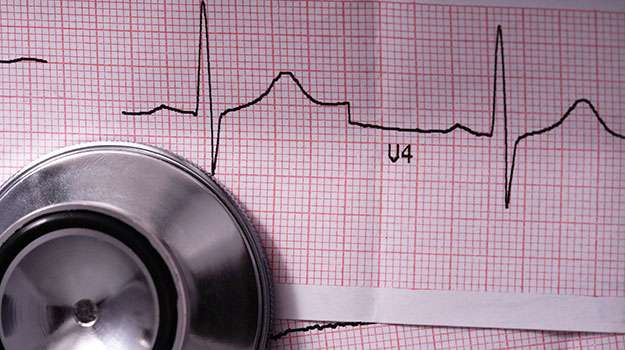
Diverticulitis arises when diverticula—small pouches that form in the colon—become inflamed or infected. Managing this condition effectively is key to preventing serious complications.
- Common signs include abdominal pain (often on one side), fever, changes in bowel habits (constipation or diarrhea), and nausea/vomiting sensations.
- Diagnosis generally includes medical history assessments coupled with imaging studies such as CT scans that highlight inflamed pouches within the colon.
- Treatment varies from dietary modifications with increased fiber intake to antibiotics; severe cases might require surgical intervention if complications arise such as perforation or abscess formation.
A proper understanding of diverticulitis helps patients recognize symptoms early on and seek timely treatment. Following outlined dietary guidelines contributes significantly to managing this condition effectively long-term.
GALLBLADDER REMOVAL (CHOLECYSTECTOMY)
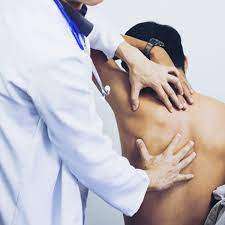
The gallbladder stores bile produced by the liver until it is needed for digestion. Gallstones can cause severe discomfort and other complications requiring surgical removal of this organ.
- Typical symptoms of gallbladder issues may include acute pain in the upper right abdomen after eating fatty meals, bloating, jaundice, and indigestion.
- A healthcare professional often diagnoses gallbladder conditions using imaging tests like ultrasounds or MRIs alongside blood tests for liver function assessment.
- Treatment primarily involves laparoscopic cholecystectomy, which is minimally invasive with quicker recovery times compared to open surgery procedures.
- Post-surgical expectations include potential changes in digestion; however, many people adapt well without their gallbladder over time.
Surgical removal of the gallbladder can significantly improve quality of life by eliminating pain and digestive issues related to gallstones. Understanding this treatment is vital for informed decision-making.
HERNIA REPAIR
A hernia occurs when an organ or fatty tissue protrudes through a weak spot in the surrounding muscle or connective tissue. This situation often necessitates surgical intervention to prevent complications.
- The most common symptoms are a visible bulge in the affected area, discomfort or pain during activities like lifting or bending, and sometimes nausea.
- Diagnosis can be made through physical examination and imaging studies such as ultrasounds or CT scans to determine the extent of the hernia.
- Surgical options include open surgery and laparoscopic techniques depending on your unique case and preferences.
- Most patients experience significant relief from symptoms after surgery; however, adherence to recovery instructions is critical for preventing recurrence.
A hernia repair not only alleviates pain but also helps restore normal function. Active management is essential for long-term health.
APPENDICITIS
Appendicitis is the inflammation of the appendix, a small pouch attached to the large intestine. It typically occurs when the appendix becomes blocked, leading to infection and subsequent inflammation.
- Symptoms include sudden pain near the belly button that moves to the lower right abdomen, loss of appetite, nausea, and fever.
- Diagnosis usually involves a physical exam, imaging tests like an abdominal ultrasound or CT scan to confirm inflammation or blockage.
- Treatment often requires surgery (appendectomy), where the inflamed appendix is removed. Antibiotics may be prescribed pre- and post-surgery.
- Patients can expect to recover fully within a few weeks but should follow all post-operative care guidelines for optimal healing.
- If left untreated, appendicitis can lead to serious complications such as a ruptured appendix, which necessitates more complex interventions.
Understanding appendicitis is crucial for prompt treatment. Early intervention can significantly improve recovery outcomes.