
Dr Rajeshwari Su
About Me
Dr Rajeshwari Su
MBBS
General Physician
Biography
My Clinic
OPD Hours
| Monday | Morning | 10:00 AM | - | 02:00 PM |
| Evening | 06:00 PM | - | 09:00 PM | |
| Tuesday | Morning | 10:00 AM | - | 02:00 PM |
| Evening | 06:00 PM | - | 09:00 PM | |
| Wednesday | Morning | 10:00 AM | - | 02:00 PM |
| Evening | 06:00 PM | - | 09:00 PM | |
| Thursday | Morning | 10:00 AM | - | 02:00 PM |
| Evening | 06:00 PM | - | 09:00 PM | |
| Friday | Morning | 10:00 AM | - | 02:00 PM |
| Evening | 06:00 PM | - | 09:00 PM | |
| Saturday | Morning | 10:00 AM | - | 02:00 PM |
| Evening | 06:00 PM | - | 09:00 PM | |
| Sunday | Morning | 10:00 AM | - | 02:00 PM |
| Evening | 06:00 PM | - | 09:00 PM |
Treatments
Specialised care and treatments offered
OSTEOARTHRITIS
A degenerative joint disease characterized by cartilage breakdown leading to pain and stiffness primarily affects older adults but can occur earlier from previous injuries. Understanding this condition is essential for maintaining mobility and improving quality of life given its chronic nature
.GASTROESOPHAGEAL REFLUX DISEASE (GERD)

This chronic digestive condition occurs when stomach acid flows back into the esophagus causing discomfort. Proper understanding aids patients in symptom management and improves overall quality of life.
- Symptoms : Symptoms often present as frequent heartburn , regurgitation , difficulty swallowing , chronic cough , or sore throat .
- Causes : Risk factors include obesity , pregnancy , smoking , certain medications , hiatal hernias , or diets high in fatty foods .
- Diagnosis : Diagnosis typically involves reviewing patient history along with tests like endoscopy that evaluate esophageal lining integrity .
- Treatment / Management : Management strategies involve lifestyle modifications such as weight loss & avoiding trigger foods ; antacids & prescription medications also aid symptom relief .
- What To Expect : Patients should anticipate working closely with healthcare providers through tailored strategies addressing individual needs leading toward symptom alleviation .
The importance lies not only in treating GERD but also making significant lifestyle changes that promote long-term relief from discomfort associated with this condition .
HYPERLIPIDEMIA

This condition indicates elevated levels of lipids (fats) in the bloodstream which can increase the risk of cardiovascular diseases. It’s important for individuals diagnosed with hyperlipidemia to understand their lipid profile thoroughly for better health outcomes.
- Symptoms: Typically asymptomatic; however , some may experience chest pain if heart disease develops due to high lipid levels .
- Causes : Factors include poor diet rich in saturated fats , lack of physical activity , obesity , genetics , and certain medical conditions .
- Diagnosis : Routine blood tests measuring total cholesterol , LDL (bad cholesterol) , HDL (good cholesterol), and triglycerides are key in diagnosing hyperlipidemia .
- Treatment / Management : Lifestyle changes such as healthy eating habits coupled with increased physical activity are integral; statins or other medications may be prescribed as needed .
- What to Expect : Regular monitoring through follow-up appointments helps track progress ; physicians will work closely on achieving optimal lipid levels .
Understanding hyperlipidemia lays the groundwork for effective treatment plans aimed at reducing cardiovascular risk factors connected with this condition.
ASTHMA
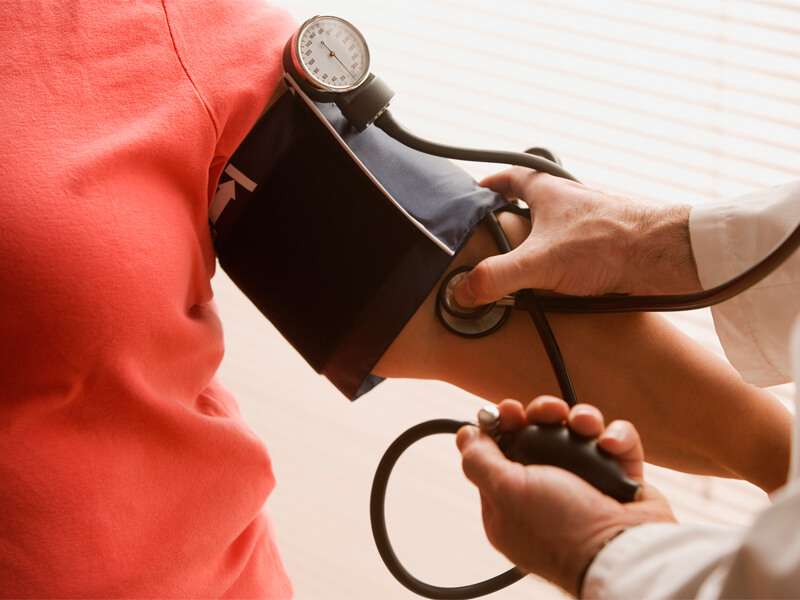
A chronic respiratory condition characterized by recurrent episodes of airway obstruction, asthma can significantly affect quality of life if not managed properly. Understanding asthma triggers is essential for effective control.
- Symptoms: Key symptoms include wheezing, coughing (especially at night), shortness of breath, and chest tightness during physical activities or when exposed to allergens.
- Causes: Common triggers include allergens such as pollen or dust mites, air pollutants, respiratory infections, and even exercise-induced conditions.
- Diagnosis: A comprehensive assessment involves reviewing medical history along with lung function tests like spirometry to check airflow obstruction.
- Treatment/Management: Medication regimens often include inhalers containing bronchodilators or corticosteroids aimed at reducing inflammation in the airways
- What to Expect: Patients should expect periodic reviews for medication effectiveness and adjustments based on symptom frequency; education on self-management strategies is crucial.
A well-rounded approach toward asthma management empowers patients to maintain an active lifestyle while controlling their symptoms effectively.
DIABETES MELLITUS

Diabetes Mellitus encompasses a group of diseases that result in high blood sugar (too much glucose in the blood). Managing this condition effectively can significantly reduce the risk of complications associated with diabetes.
- Symptoms: Common symptoms include frequent urination, excessive thirst, extreme hunger, fatigue, blurred vision, and slow-healing sores.
- Causes: Type 1 diabetes is primarily an autoimmune response that destroys insulin-producing cells. Type 2 diabetes often arises from obesity and inactivity.
- Diagnosis: Blood tests such as fasting blood glucose or HbA1c levels are used to confirm a diagnosis of diabetes.
- Treatment/Management: Management involves lifestyle adjustments like diet control and exercise. Insulin therapy or oral medications might be necessary depending on the type of diabetes.
- What to Expect: Effective management requires ongoing education about self-monitoring blood sugar levels and recognizing signs of hypo- or hyperglycemia.
A comprehensive approach towards understanding and managing diabetes can greatly enhance quality of life while minimizing risks of complications.
HYPERTENSION

Hypertension, commonly known as high blood pressure, is a condition wherein the force of the blood against the artery walls is consistently too high. Over time, this can lead to serious health complications including heart disease and stroke.
- Symptoms: Many individuals with hypertension experience no noticeable symptoms, which is why it’s often referred to as a ‘silent killer.’ Some may have headaches, shortness of breath, or nosebleeds.
- Causes: Factors contributing to hypertension include poor diet, sedentary lifestyle, obesity, smoking, and genetics.
- Diagnosis: Blood pressure is measured using a sphygmomanometer during a doctor's visit. Consistent readings higher than normal indicate hypertension.
- Treatment/Management: Treatment includes lifestyle modifications such as dietary changes and increased physical activity. Medications may also be prescribed to manage blood pressure levels.
- What to Expect: Regular monitoring and follow-ups with healthcare providers are crucial for successfully managing hypertension, along with adherence to prescribed medications.
Understanding hypertension is vital for effective management and prevention of future issues. Regular check-ups can help maintain healthy blood pressure levels.