
Dr Rajiv Anand
About Me
Dr Rajiv Anand
Internal Medicine
Biography
My Clinic
OPD Hours
| Tuesday | Morning | 10:00 AM | - | 02:00 PM |
| Evening | 06:00 PM | - | 09:00 PM | |
| Wednesday | Morning | 10:00 AM | - | 02:00 PM |
| Evening | 06:00 PM | - | 09:00 PM | |
| Thursday | Morning | 10:00 AM | - | 02:00 PM |
| Evening | 06:00 PM | - | 09:00 PM | |
| Friday | Morning | 10:00 AM | - | 02:00 PM |
| Evening | 06:00 PM | - | 09:00 PM | |
| Saturday | Morning | 10:00 AM | - | 02:00 PM |
| Evening | 06:00 PM | - | 09:00 PM | |
| Sunday | Morning | 10:00 AM | - | 02:00 PM |
| Evening | 06:00 PM | - | 09:00 PM | |
| Thursday | Morning | 10:00 AM | - | 02:00 PM |
| Evening | 06:00 PM | - | 09:00 PM |
Treatments
Specialised care and treatments offered
ACUTE KIDNEY INJURY
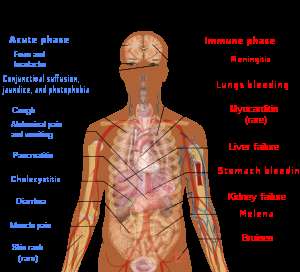
An unexpected decline in kidney function defines acute kidney injury (AKI). It happens quickly—over hours to days—and while potentially reversible demands immediate attention.
- The primary symptoms, though sometimes subtle might manifest as decreased urine output or swelling due fluid retention; nausea may also occur in some cases.
- A healthcare provider will utilize urine tests alongside serum creatinine measurements confirming its presence effectively diagnosing AKI retrospectively after intervention commencement.
- Identification prompts investigation into underlying causes such dehydration secondary infections among others specific diagnostic protocols guide which treatment route taking place thereafter ensuring best outcomes possible ensuring long-term health scenarios remain stable post-recovery phase .
Timely medical intervention plays an integral role here allowing restoring function avoiding any permanent impairment developing resulting from delayed patient care ensuring successful renal restoration .
HEART FAILURE
Heart failure occurs when the heart cannot pump enough blood to meet the body’s needs. This serious condition requires prompt medical attention for effective management strategies.
- The signs include shortness of breath during exertion or while lying down, swelling in the legs/ankles/feet (edema), fatigue, and persistent cough or wheezing with white or pink tinged mucus.
- A doctor will assess heart function via physical examination along with echocardiograms or other imaging techniques for proper evaluation.
- Treatment options can include medications designed to improve heart function coupled with lifestyle changes such as a low-salt diet and regular exercise tailored according to individual capability.
If monitored carefully under medical supervision through regular follow-ups can enable many people living with heart failure to maintain an active life while managing their symptoms appropriately.
CHRONIC OBSTRUCTIVE PULMONARY DISEASE (COPD)
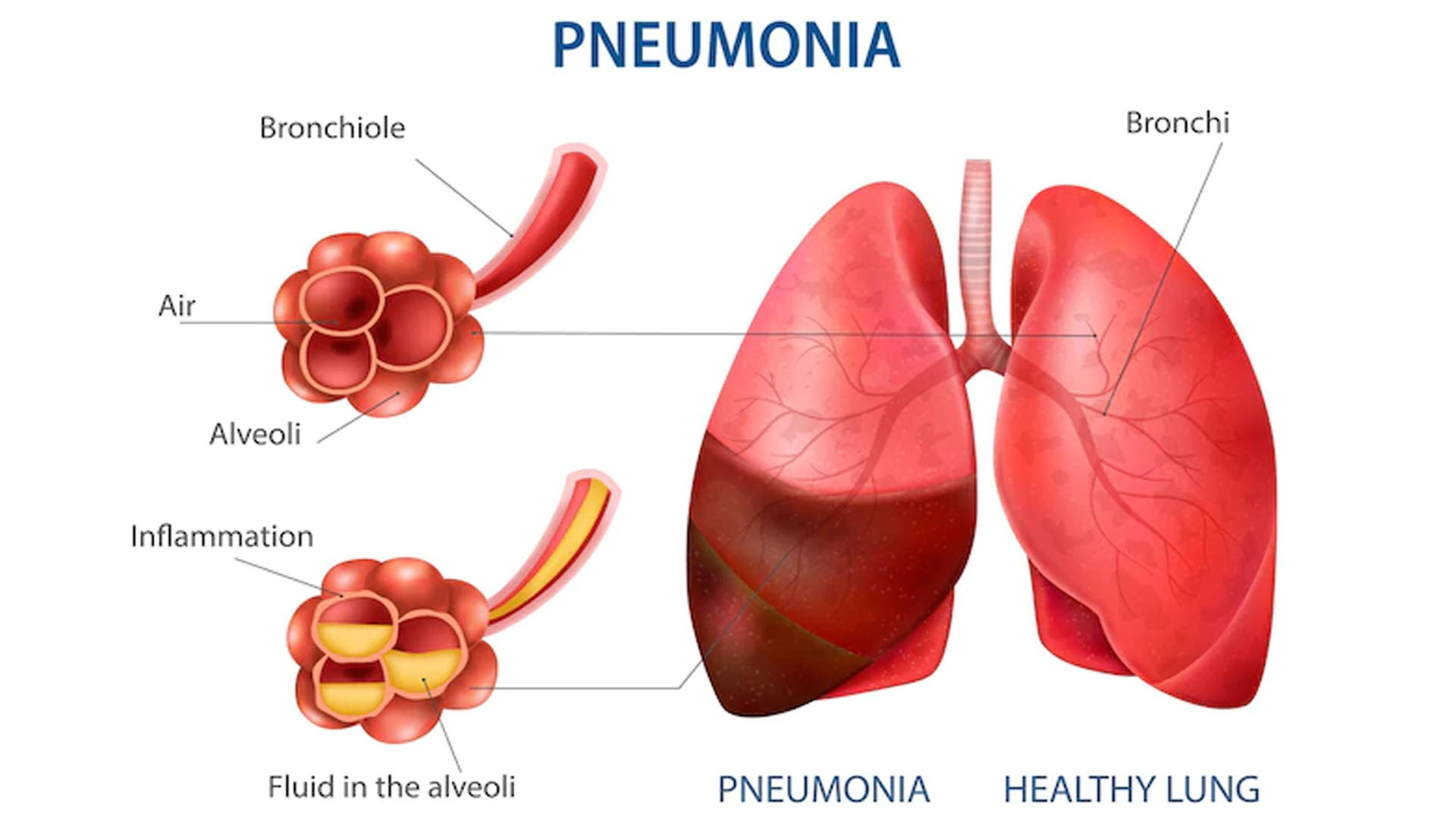
COPD is a progressive lung disease that makes it hard to breathe. It includes emphysema and chronic bronchitis. Early detection and management are crucial for quality of life improvement.
- Main symptoms of COPD are long-term cough with mucus production, wheezing, chest tightness, and increased breathlessness during daily activities.
- The diagnosis often involves lung function tests like spirometry along with imaging studies such as chest X-rays or CT scans for further evaluation.
- Treatment may involve bronchodilators for airway relaxation and inhaled corticosteroids to reduce inflammation but important lifestyle modifications must be made too—like quitting smoking if applicable.
A comprehensive approach will aid in managing COPD symptoms effectively leading to better lifestyle adjustments for those affected by the condition.
DIABETES MELLITUS
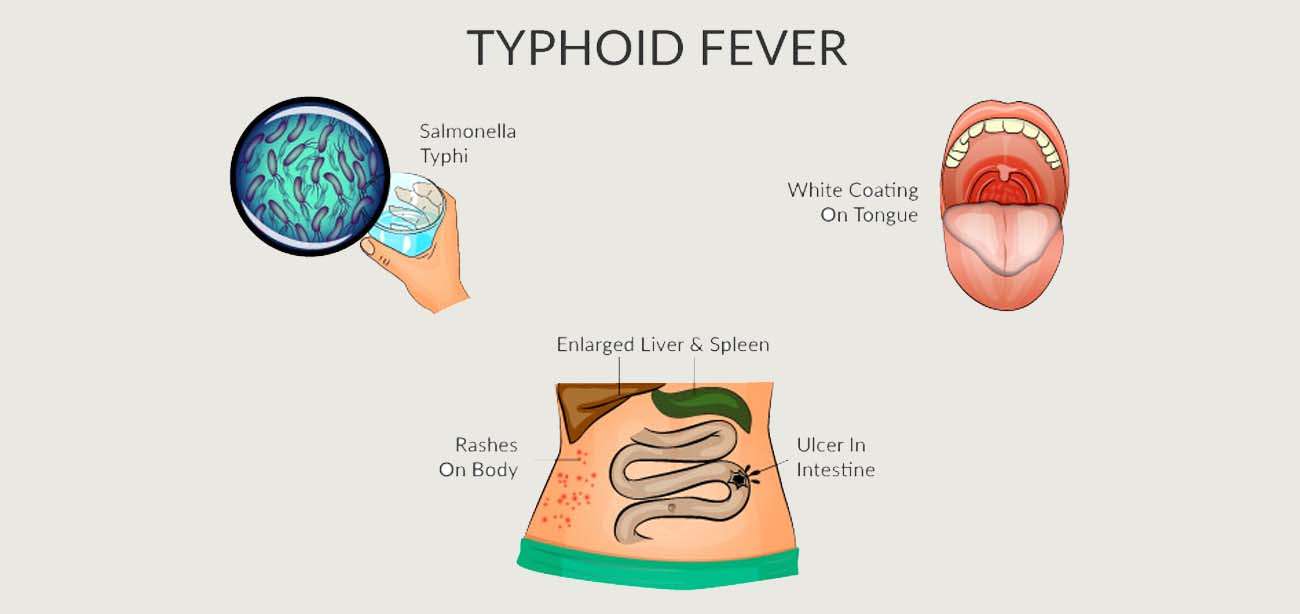
Diabetes mellitus is a metabolic disorder characterized by high blood sugar levels due to insulin resistance or insufficient insulin production. Understanding this condition is vital for effective management.
- Common symptoms include increased thirst, frequent urination, extreme fatigue, and blurred vision.
- A diagnosis is made through fasting blood sugar tests or HbA1c levels which indicate average blood sugar over time.
- Treatment generally includes lifestyle changes such as diet management alongside medications like metformin or insulin therapy if necessary.
- Regular monitoring of blood glucose levels helps in adjusting treatment plans effectively over time.
By maintaining healthy habits and following medical advice, individuals with diabetes can lead normal lives with minimal complications.
PNEUMONIA
Pneumonia is an infection that inflames the air sacs in one or both lungs. It can be caused by bacteria, viruses, or fungi, and symptoms can range from mild to severe.
- Common symptoms include cough, fever, chills, and difficulty breathing.
- A healthcare provider may diagnose pneumonia through physical exams and imaging tests such as X-rays.
- Treatment options vary based on the cause; bacterial pneumonia often requires antibiotics while viral pneumonia may be treated with antiviral medications or supportive care.
- Hydration and rest are also essential parts of recovery; patients should monitor their symptoms closely during treatment.
If treated promptly, most individuals recover fully from pneumonia within a few weeks.
HYPERTENSION
Hypertension, commonly known as high blood pressure, is a chronic condition that significantly affects cardiovascular health. It often develops over many years and can lead to serious complications if not managed properly.
- Symptoms may include headaches, shortness of breath, or nosebleeds, although many individuals experience no noticeable symptoms.
- The diagnosis typically involves measuring blood pressure using a sphygmomanometer over multiple visits.
- Treatment strategies include lifestyle changes like diet and exercise, as well as medications such as diuretics or ACE inhibitors.
- Regular monitoring of blood pressure is crucial for management; patients may need to adjust their treatment based on readings.
- Patients should be aware of the importance of adherence to prescribed medication to prevent complications.
Effective management of hypertension can greatly reduce the risk of heart disease and stroke, leading to a healthier life.