
Dr Rajiv Bansal C
About Me
Dr Rajiv Bansal C
MBBS
General Physician
10 Years Experience
Biography
My Clinic
OPD Hours
| Monday | Morning | 10:00 AM | - | 02:00 PM |
| Evening | 06:00 PM | - | 09:00 PM | |
| Tuesday | Morning | 10:00 AM | - | 02:00 PM |
| Evening | 06:00 PM | - | 09:00 PM | |
| Wednesday | Morning | 10:00 AM | - | 02:00 PM |
| Evening | 06:00 PM | - | 09:00 PM | |
| Thursday | Morning | 10:00 AM | - | 02:00 PM |
| Evening | 06:00 PM | - | 09:00 PM | |
| Friday | Morning | 10:00 AM | - | 02:00 PM |
| Evening | 06:00 PM | - | 09:00 PM | |
| Saturday | Morning | 10:00 AM | - | 02:00 PM |
| Evening | 06:00 PM | - | 09:00 PM | |
| Sunday | Morning | 10:00 AM | - | 02:00 PM |
| Evening | 06:00 PM | - | 09:00 PM |
Treatments
Specialised care and treatments offered
IMMUNE SYSTEM HEALTH ASSESSMENT
The immune system plays an essential role in defending our bodies from infections and diseases. Assessing its functionality can help detect underlying issues that may compromise your overall health status over time.
- Symptoms: Frequent illnesses like colds/coughs & slow recovery post-infections signal possible immune dysfunction needing further investigation
.< Li/>< Strong /> :Factors causing difficulty arise from nutrition deficits/lifestyle challenges → all impacting immunity substantially
.
< br/>
< Strong /> :Testing entails comprehensive analyses involving lab work assessing markers indicating proper immunological function based upon clinical evaluations provided through practitioners working directly alongside patients navigating these concerns
.< Strong /> :Actively maintaining healthy habits — engaging physical activity along good physical e.g., adequate sleep/rest routines — support overall immune functioning tremendously! / - /< Strong /> :Assessment facilitates Identifying deficiencies ensuring remedial action taken where required minimizing potential future discomfort associated chronic ailments/ recurring infections resulting poor immunity diminishing daily life enjoyment drastically < Br />/< LI/> Understanding personal immunity tendencies empowers proactive measures preventing infectious episodes harming day-to-day living maximally enhancing quality experiences every loved minute ! ..
ALLERGY TESTING

If you experience symptoms like sneezing or itching without clear reasons why it happens—there might be underlying allergies at play. Allergy testing helps identify specific triggers that cause these reactions.
- Symptoms: Common allergic reactions vary from respiratory issues (like asthma) to skin rashes.
- Causes: Environmental allergens (such as pollen), food ingredients (like nuts), and certain medications can trigger responses.
- Diagnosis: Testing methods include skin prick tests or specific blood tests conducted under controlled situations by healthcare professionals.
- Treatment options: Avoidance strategies along with anticipatory guidance are essential; antihistamines also offer symptomatic relief during exposure times.
- What to expect: Understanding one’s allergies enables effective avoidance strategies; regular consultations may help adjust treatments based on changing sensitivities over time.
Your journey towards improving quality of life amidst allergies starts with proper identification through effective testing methodologies!
PREVENTIVE HEALTH SCREENINGS

Routine preventive screenings are vital for identifying potential health issues before they become serious. These screenings help catch diseases at an early stage when they are most treatable.
- Symptoms: Most screenings do not present symptoms but evaluate risk factors for various diseases like cancer or diabetes early on.
- Causes: Age, family history, lifestyle choice contribute significantly to individual risk profiles requiring different types of screenings.
- Diagnosis: Screenings may include mammograms for women or colonoscopies depending on age and individual risk factors.
- Treatment options: Follow-up care varies depending on results but often includes lifestyle modifications or medical intervention when necessary.
- What to expect: Regular screenings empower patients with knowledge about their health status and facilitate timely interventions when necessary.
Engaging in preventive care through timely screenings enhances quality of life while reducing overall healthcare costs by catching problems early on.
CHOLESTEROL MANAGEMENT
High cholesterol levels can lead to plaque buildup in arteries and increase the risk of heart disease. Monitoring cholesterol levels is crucial for heart health.
- Symptoms: High cholesterol itself usually does not cause symptoms directly; however, it can contribute to conditions such as angina or heart attacks.
- Causes: Factors including poor diet, lack of exercise, tobacco use, and genetic predisposition play significant roles in elevated cholesterol levels.
- Diagnosis: A simple blood test known as a lipid panel checks total cholesterol levels along with LDL (bad) and HDL (good) cholesterol ratios.
- Treatment options: Lifestyle adjustments such as dietary changes may be recommended alongside medications like statins if needed.
- What to expect: With the right approach to management—including regular monitoring—many people maintain healthy cholesterol levels successfully over time.
A proactive stance on cholesterol management helps mitigate risks associated with heart diseases. Consult your healthcare provider regularly for optimal health outcomes!
DIABETES SCREENING

Diabetes is a chronic condition that affects how your body processes glucose, leading to elevated blood sugar levels. Early detection through screening is essential for effective management.
- Symptoms: Increased thirst, frequent urination, extreme fatigue, and blurred vision are common signs.
- Causes: Genetics, obesity, and sedentary lifestyles contribute significantly to the risk of developing diabetes.
- Diagnosis: Screening involves fasting blood tests or an A1C test to measure average blood sugar levels over time.
- Treatment options: Depending on the type of diabetes diagnosed, treatment may include lifestyle changes, oral medications, or insulin therapy.
- What to expect: Early intervention can prevent complications like nerve damage and cardiovascular problems. Regular follow-ups ensure ongoing management success.
Being proactive about diabetes screening can make a significant difference in your overall health trajectory. Engage with knowledgeable healthcare providers for tailored advice!
HYPERTENSION MANAGEMENT
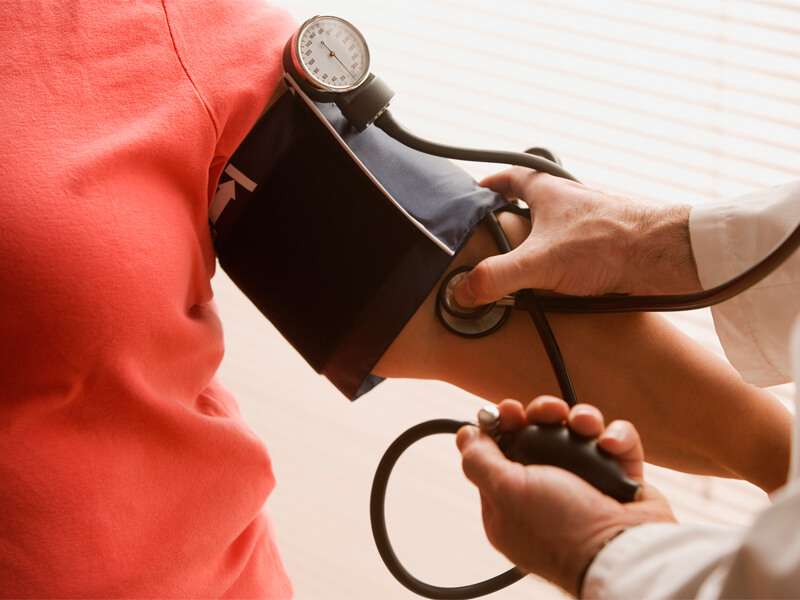
Hypertension, or high blood pressure, is a common yet serious condition that affects many individuals. It can lead to severe health issues if left untreated, including heart disease and stroke.
- Symptoms: Often referred to as a 'silent killer', hypertension may not present any noticeable symptoms until complications arise.
- Causes: Risk factors include obesity, sedentary lifestyle, and high salt intake.
- Diagnosis: Regular monitoring of blood pressure is crucial. Diagnosis typically involves a series of readings taken over time.
- Treatment options: Management can include lifestyle changes such as diet and exercise, as well as medications like diuretics or ACE inhibitors.
- What to expect: With proper management, individuals can lead healthy lives while controlling their blood pressure effectively.
Understanding and managing hypertension is vital for long-term health. Regular check-ups and lifestyle modifications are key components in combating this disease.