
Dr Rajiv Karnik
About Me
Dr Rajiv Karnik
Cardiologist
Biography
My Clinic
OPD Hours
| Tuesday | Morning | 10:00 AM | - | 02:00 PM |
| Evening | 06:00 PM | - | 09:00 PM | |
| Wednesday | Morning | 10:00 AM | - | 02:00 PM |
| Evening | 06:00 PM | - | 09:00 PM | |
| Thursday | Morning | 10:00 AM | - | 02:00 PM |
| Evening | 06:00 PM | - | 09:00 PM | |
| Friday | Morning | 10:00 AM | - | 02:00 PM |
| Evening | 06:00 PM | - | 09:00 PM | |
| Saturday | Morning | 10:00 AM | - | 02:00 PM |
| Evening | 06:00 PM | - | 09:00 PM | |
| Sunday | Morning | 10:00 AM | - | 02:00 PM |
| Evening | 06:00 PM | - | 09:00 PM | |
| Thursday | Morning | 10:00 AM | - | 02:00 PM |
| Evening | 06:00 PM | - | 09:00 PM |
Treatments
Specialised care and treatments offered
LIFESTYLE MODIFICATION COUNSELING

Lifestyle modification counseling aims at promoting healthier habits such as diet changes, exercise routines, and smoking cessation techniques among individuals at risk for cardiovascular diseases. Such modifications can drastically reduce overall risk factors related to poor cardiovascular health。
- Symptoms related include obesity , hypertension , elevated cholesterol levels , fatigue , etc .
- Often involving initial screening assessments like blood pressure measurements , lipid panels etc. ; diagnoses highlight areas requiring lifestyle changes .
- Treatment focuses on setting achievable goals tailored suited for individual needs inclucing nutritional guidance & exercise regimens alongside psychological support services especially concerning stress management .
- Patients generally report positive outcomes ranging from weight loss achievements followed by improvements in lab values over time thanks diligence & commitment shown towards implementing favorable habits consistently .
Modifications made today can yield substantial rewards tomorrow ensuring better overall cardiovascular wellness down-the-line !
IMPLANTABLE CARDIOVERTER DEFIBRILLATOR (ICD) INSERTION
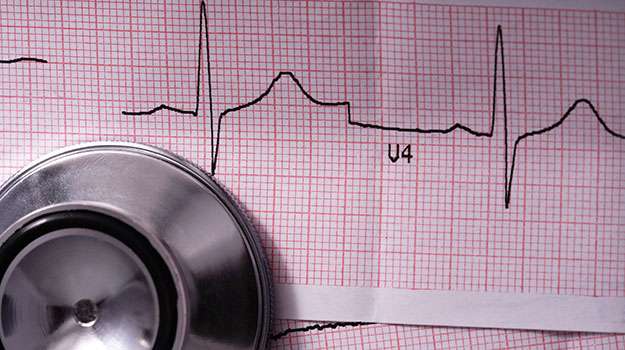
An implantable cardioverter defibrillator (ICD) is designed to monitor heart rhythms continuously and deliver shocks if dangerous arrhythmias occur, preventing sudden cardiac arrest. It plays an essential role in managing high-risk patients effectively。
- This system benefits individuals who have experienced life-threatening arrhythmias or have specific risk factors such as cardiomyopathy or previous cardiac arrest episodes.
- Diagnosis often entails comprehensive evaluations including echocardiograms , stress tests , and possibly electrophysiology studies .
- Placement involves a minor surgical procedure under local anesthesia where leads are inserted into veins connected to both the pacemaker and defibrillator .
- Patients should expect initial discomfort but typically recover quickly , returning home within hours . Regular follow-ups are necessary following placement .
The ICD significantly enhances survival rates among high-risk cardiovascular patients by promptly correcting abnormal heart rhythms.
CARDIAC CATHETERIZATION
This diagnostic procedure involves threading a thin catheter through blood vessels to reach the heart. Cardiac catheterization helps evaluate various heart conditions by providing direct access for examination and intervention if necessary.
- Sufferers may present with symptoms such as severe chest pain or abnormal stress test results prompting further investigation through this method.
- The diagnostic approach typically includes using imaging techniques during catheterization to assess blockages or structural issues directly within the heart chambers and arteries.
- Treatment options observed might include angioplasty during the same session if blockages are found, ensuring prompt management of coronary artery disease.
- This outpatient procedure generally takes 1-3 hours with minimal recovery time required afterward; most patients return home on the same day after observation periods.
Cath lab procedures provide essential insights into cardiovascular health and inform further treatment decisions effectively.
HOLTER MONITORING
A Holter monitor is a portable device that continuously records the heart's electrical activity over 24-48 hours. This test is invaluable for diagnosing arrhythmias or other cardiac conditions not captured during standard ECG tests.
- Patients may experience symptoms like palpitations, dizziness, or fainting spells that warrant this monitoring method.
- The diagnosis process involves wearing electrodes attached to the skin connected to the monitor during daily activities for an extended period.
- If irregularities are detected, treatment options could include medication adjustments or lifestyle changes tailored to improve heart health.
- The monitor allows patients to go about their daily lives while providing critical data about their cardiac function without disruption.
This valuable tool assists healthcare providers in developing personalized care plans based on real-time data gathered from everyday life situations.
ECHOCARDIOGRAPHY
An echocardiogram uses ultrasound waves to create images of the heart's structure and function. This non-invasive test helps diagnose a variety of heart conditions effectively and safely.
- Common indications for this test include unexplained chest pain, heart murmurs, or evaluation after a heart attack.
- The diagnostic process involves placing small sensors on the chest that emit sound waves, which are then used to produce detailed images of the heart.
- Treatment plans may be influenced by findings from the echocardiogram, including medication adjustments or referrals for additional testing.
- The procedure is painless and usually takes about 30-60 minutes, with no recovery time needed afterwards.
Echocardiography plays a crucial role in ongoing management and monitoring of heart health.
CORONARY ANGIOPLASTY
Coronary angioplasty is a minimally invasive procedure used to open narrowed or blocked coronary arteries. This technique can help increase blood flow to the heart muscle and alleviate symptoms associated with coronary artery disease.
- Symptoms of blocked arteries may include chest pain, shortness of breath, or fatigue during exertion.
- Diagnosis typically involves an angiogram, where a contrast dye is injected into the coronary arteries to visualize blockages.
- Treatment often consists of inserting a small balloon into the artery, which is inflated to widen it. A stent may also be placed to keep the artery open.
- Patients can expect a short recovery period post-procedure, often being able to resume normal activities within days.
This procedure can significantly improve quality of life by reducing symptoms and preventing further complications.