
Dr Rajiv Krishna
About Me
Dr Rajiv Krishna
MBBS
General Physician
10 Years Experience
Biography
My Clinic
OPD Hours
| Monday | Morning | 10:00 AM | - | 02:00 PM |
| Evening | 06:00 PM | - | 09:00 PM | |
| Tuesday | Morning | 10:00 AM | - | 02:00 PM |
| Evening | 06:00 PM | - | 09:00 PM | |
| Wednesday | Morning | 10:00 AM | - | 02:00 PM |
| Evening | 06:00 PM | - | 09:00 PM | |
| Thursday | Morning | 10:00 AM | - | 02:00 PM |
| Evening | 06:00 PM | - | 09:00 PM | |
| Friday | Morning | 10:00 AM | - | 02:00 PM |
| Evening | 06:00 PM | - | 09:00 PM | |
| Saturday | Morning | 10:00 AM | - | 02:00 PM |
| Evening | 06:00 PM | - | 09:00 PM | |
| Sunday | Morning | 10:00 AM | - | 02:00 PM |
| Evening | 06:00 PM | - | 09:00 PM |
Treatments
Specialised care and treatments offered
GASTROESOPHAGEAL REFLUX DISEASE (GERD)
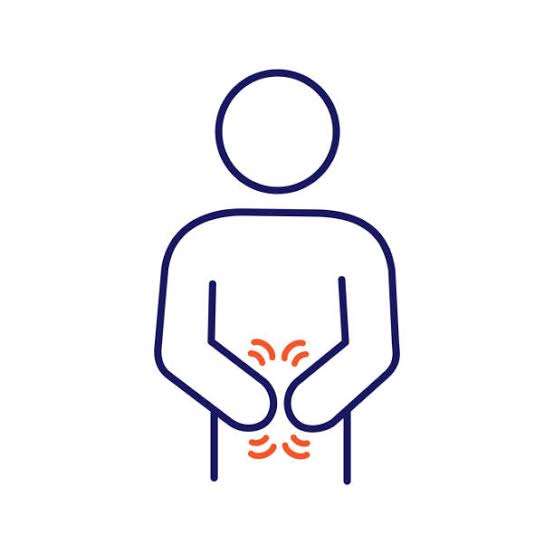
This digestive disorder occurs when stomach acid frequently flows back into the tube connecting your mouth and stomach — known as the esophagus — causing irritation over time leading potentially debilitating symptoms affecting quality of life immensely!
- Symptoms: Heartburn manifested post meals plus regurgitation resulting in sour taste form primary concerns reported widely alongside difficulty swallowing emerging under more severe circumstances faced by some patients too occasionally suffering from chronic coughs due mainly poor acid clearance pathways malfunctioning therein.
- Causes: Lifestyle choices including excess consumption (alcohol/fats/spicy foods) coupled with obesity predisposing certain individuals notably towards aggravating factors requiring careful attention directed at root emergence points accordingly during initial evaluations alike — pregnancy-related influences contribute additionally here!
ANEMIA EVALUATION

Anemia is a condition marked by insufficient red blood cells or hemoglobin. This results in inadequate oxygen delivery throughout the body leading to various symptoms that require careful evaluation for optimal treatment strategies.
- Symptoms: Common indicators include fatigue, weakness, pale skin tones—often worsening upon exertion.
- Causes: Deficiencies in iron or vitamins B12/Folate are frequent culprits but chronic diseases can also contribute significantly among other factors such as hereditary issues.
- Diagnosis: Blood tests measuring hemoglobin concentrations alongside reticulocyte counts provide valuable insights into identifying types/sources linked with anemia.
- Treatment/Management: Addressing underlying causes through dietary changes or supplementation forms cornerstone therapies while transfusions could be necessary when cases prove severe.
- What To Expect: Follow-up assessments help gauge improvement levels ensuring an appropriate path forward toward recovery following comprehensive evaluation protocols implemented throughout care processes.
Anemia should never go unaddressed since timely intervention fosters better overall vitality along with improved energy states!
THYROID DISORDERS

The thyroid gland plays a significant role in regulating metabolism through hormone production. Thyroid disorders encompass conditions like hypothyroidism and hyperthyroidism that can significantly affect overall health.
- Symptoms: Hypothyroidism often leads to fatigue, weight gain, and depression; hyperthyroidism can cause weight loss, nervousness, and palpitations.
- Causes: Autoimmune conditions such as Hashimoto’s disease or Graves' disease are common causes behind these disorders along with iodine deficiency or treatments affecting thyroid function.
- Diagnosis: Blood tests measuring thyroid hormone levels (TSH) confirm diagnoses for either condition;
- Treatment/Management: Depending on the type of disorder: hormone replacement therapy for hypothyroidism or antithyroid medications for hyperthyroidism may be prescribed;
- < span class='bold'>What to Expect: Routine monitoring of hormone levels ensures effective management over time while discussing symptoms allows adjustments in treatment plans;
ASTHMA MANAGEMENT
Asthma is a chronic respiratory condition characterized by airway inflammation and constriction. It can cause wheezing, coughing, shortness of breath, and chest tightness.
- Symptoms: Symptoms may vary in intensity; common triggers include allergens, smoke, exercise, and respiratory infections.
- Causes: Asthma's exact cause remains unclear but involves a combination of genetic and environmental factors.
- Diagnosis: Diagnosis typically includes pulmonary function tests and thorough patient history assessment for symptom patterns and triggers.
- Treatment/Management: Management includes inhalers (bronchodilators) for immediate relief and corticosteroids for long-term control; avoiding known triggers is also critical.
- What to Expect: Regular check-ups help assess control levels; adjustments in medications may be made based on symptom frequency and severity.
An effective asthma management plan allows individuals to live active lives while minimizing flare-ups.
DIABETES MELLITUS

Diabetes Mellitus refers to a group of diseases that affect how the body uses blood sugar (glucose). This condition can lead to serious health complications if not properly managed.
- Symptoms: Common signs include increased thirst, frequent urination, fatigue, and blurred vision.
- Causes: Genetic factors, obesity, and a sedentary lifestyle are significant contributors to the development of diabetes.
- Diagnosis: Blood tests such as fasting glucose or A1C levels help determine blood sugar control over time.
- Treatment/Management: Treatment options may include lifestyle modifications like dietary changes as well as insulin therapy or oral medications as necessary.
- What to Expect: Continuous monitoring of blood sugar levels is crucial; regular consultations will facilitate effective management strategies tailored to individual needs.
A proactive approach is vital in controlling diabetes and preventing potential complications.
HYPERTENSION
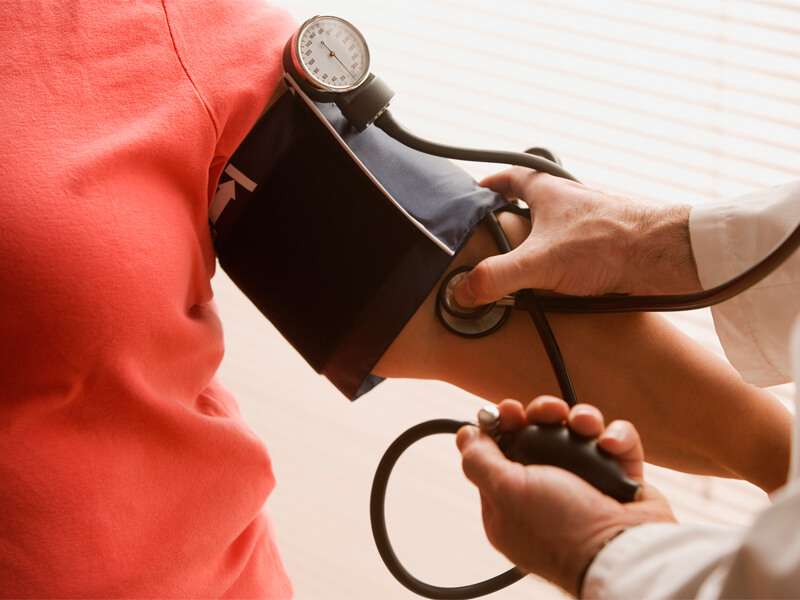
Hypertension, or high blood pressure, is a common condition that can lead to serious health issues if left unmanaged. It occurs when the force of blood against the artery walls is consistently too high.
- Symptoms: Often called the 'silent killer,' many individuals do not experience noticeable symptoms until serious complications arise.
- Causes: Factors include obesity, sedentary lifestyle, high salt intake, and genetic predisposition.
- Diagnosis: Blood pressure readings are taken multiple times to confirm hypertension; additional tests may be performed for underlying causes.
- Treatment/Management: Lifestyle changes such as diet and exercise are crucial; medications like ACE inhibitors or beta-blockers may also be prescribed.
- What to Expect: Regular monitoring and follow-ups are essential to adjust treatment plans according to individual response.
If properly managed, individuals with hypertension can lead healthy lives without major restrictions.