
Dr Rajpal Singh
About Me
Dr Rajpal Singh
MS
Urologists
10 Years Experience
Biography
My Clinic
OPD Hours
| Monday | Morning | 10:00 AM | - | 02:00 PM |
| Evening | 06:00 PM | - | 09:00 PM | |
| Tuesday | Morning | 10:00 AM | - | 02:00 PM |
| Evening | 06:00 PM | - | 09:00 PM | |
| Wednesday | Morning | 10:00 AM | - | 02:00 PM |
| Evening | 06:00 PM | - | 09:00 PM | |
| Thursday | Morning | 10:00 AM | - | 02:00 PM |
| Evening | 06:00 PM | - | 09:00 PM | |
| Friday | Morning | 10:00 AM | - | 02:00 PM |
| Evening | 06:00 PM | - | 09:00 PM | |
| Saturday | Morning | 10:00 AM | - | 02:00 PM |
| Evening | 06:00 PM | - | 09:00 PM | |
| Sunday | Morning | 10:00 AM | - | 02:00 PM |
| Evening | 06:00 PM | - | 09:00 PM |
Treatments
Specialised care and treatments offered
VASECTOMY
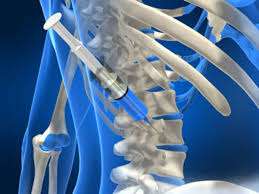
A vasectomy serves as an effective permanent method utilized primarily focusing on male sterilization wherein tubes carrying sperm from testicles get interrupted hence preventing union with ovum effectively establishing very low chances consequentially reoccurring pregnancies further on thereafter typically post-procedure completion noted satisfactorily achieved!
- Mechanism elaboration : Procedure intervenes largely encasing section vas deferens enabling sperm remain produced testicular pathways redirected fluid instead expelled via seminal emission targetedly devoid reproductive capability permanently!
- Pre-op assessments emphasize: : Initial consultations engaging explicitly discussing personal reproductive choices aspirations weighed heavily before proceeding accordingly towards consent secured note-taking outlines risks expectations entailed hereby expressed clearly prior venturing ahead!
- Post-operative care measures recommended taking into account: : Minimal sedation often preferred local anesthetics administered therefore ensuing some minor discomfort anticipated although prescriptions accommodating pain alleviation present shortly thereafter whilst observing activity restrictions adhered progressively ensuring healing extensive monitored sequentially undergone especially careful regard hygiene maintained diligently outlined precisely henceforth advised by specialists overseeing Charges across boards operatively mode executed neatly adhering established protocols additionally !
If firmly considered possible long-term implications evaluating suitability thoroughly prevails paramount assure all inquiries addressed adequately fostering informed decision calmly guided proficiently facilitating desired outcomes ultimately aligning future family planning wisdom harmoniously henceforth assured reasonable adjustments could potentially occur relative preferences evolving therein respectively assuredly ahead!.
MALE INFERTILITY

This term refers to infertility specifically stemming from male factors contributing predominately toward difficulties encountered while trying conceiving successfully with partner(s). It requires careful evaluation!
- Potential causes : A range including hormonal imbalances affecting sperm production levels(Luteinizing hormone,
OVERACTIVE BLADDER

An overactive bladder (OAB) is characterized by a sudden urge to urinate that's difficult to control. This condition often disrupts normal routines due to frequent bathroom visits.
- Causative factors: Aging nerve signals affecting bladder control can play a significant role alongside other health-related issues like diabetes or neurological disorders affecting bladder function.
- Main symptoms: Urgent need to urinate frequently throughout the day; nocturia also common as individuals wake multiple times at night needing restroom access.
- A thorough assessment: Diagnosis commonly involves patient history reviews followed by tests such as diary recording wetting episodes observed over time or urodynamic testing aimed at analyzing bladder pressure dynamics during filling/voiding phases.
- Management strategies: It could include behavior modifications alongside medications designed for controlling urgency levels; minimally invasive interventions may be discussed when conservative measures fail.
Overactive bladder can greatly influence living comfortably but numerous management avenues exist. Don't hesitate seeking medical advice!
KIDNEY STONES

Kidney stones are hard deposits made of minerals and salts that form inside your kidneys. These stones can vary in size and may cause excruciating pain when passing through the urinary tract.
- Causes: Factors include dehydration, dietary habits high in sodium or oxalate, and certain metabolic disorders that increase stone formation risk.
- Symptoms: Intense pain in the back or side radiating towards the abdomen, blood in urine, nausea or vomiting are common indicators.
- Diagnosis: Imaging tests like CT scans or ultrasounds help confirm diagnosis along with urine tests analyzing stone composition.
- Treatment options: Depending on size and location of stones, treatment ranges from increased fluid intake to encourage passing stones naturally to minimally invasive procedures like ureteroscopy or shock wave lithotripsy to break down larger stones.
If you suspect kidney stones due to symptoms experienced, consult a healthcare provider for timely evaluation and management options tailored specifically for your case.
BENIGN PROSTATIC HYPERPLASIA (BPH)

Benign Prostatic Hyperplasia (BPH) is a common condition seen in older men where the prostate gland enlarges. This enlargement can lead to uncomfortable urinary symptoms that may disrupt daily life.
- Symptoms: Difficulty starting urination, weak stream, frequent urination at night (nocturia), or a feeling of incomplete bladder emptying.
- Causes: Natural aging process and hormonal changes are significant factors contributing to BPH development.
- Diagnosis: Diagnosis usually involves a physical examination along with tests like prostate-specific antigen (PSA) blood test or ultrasound scans.
- Treatment options: Management may start with lifestyle modifications; however, options include medication therapy or minimally invasive procedures such as laser therapy if symptoms become severe.
- Prognosis: Many patients find relief through effective treatment options that address their specific symptoms without impacting sexual function adversely.
BPH is manageable; proper medical guidance can enhance quality of life significantly for those affected by it.
URINARY INCONTINENCE

Urinary incontinence is a condition that affects individuals of all ages, leading to involuntary leakage of urine. This can impact daily activities and quality of life significantly. It's important to understand the types, causes, and available treatments for this condition.
- Causes: Hormonal changes, childbirth, aging, and certain medical conditions can contribute to incontinence.
- Symptoms: Frequent urges to urinate, leakage during physical activities like coughing or sneezing.
- Diagnosis: A thorough assessment including detailed medical history, physical examination, and possibly urodynamic tests help identify the underlying issue.
- Treatment options: These may include pelvic floor exercises, bladder training techniques, medications, and minimally invasive surgical options when necessary.
- What to expect: With appropriate treatment plans tailored individually, many people experience significant improvement and regain control over their bladder function.
Understanding urinary incontinence is the first step towards effective management. Seek advice from a healthcare provider for personalized strategies.